GPA to Host Update for SA Growers Amid High Mouse Pressure
Why It Matters
Mouse infestations can devastate newly seeded crops, threatening yields and farmer profitability. Securing an emergency permit for an effective rodenticide could give growers a timely tool to protect the 2026 grain harvest.
Key Takeaways
- •GPA's online session scheduled May 1, 2026, 7 pm SA time
- •Session addresses rising mouse activity during seeding season
- •Emergency permit for pesticide ZP50 under review by APVMA
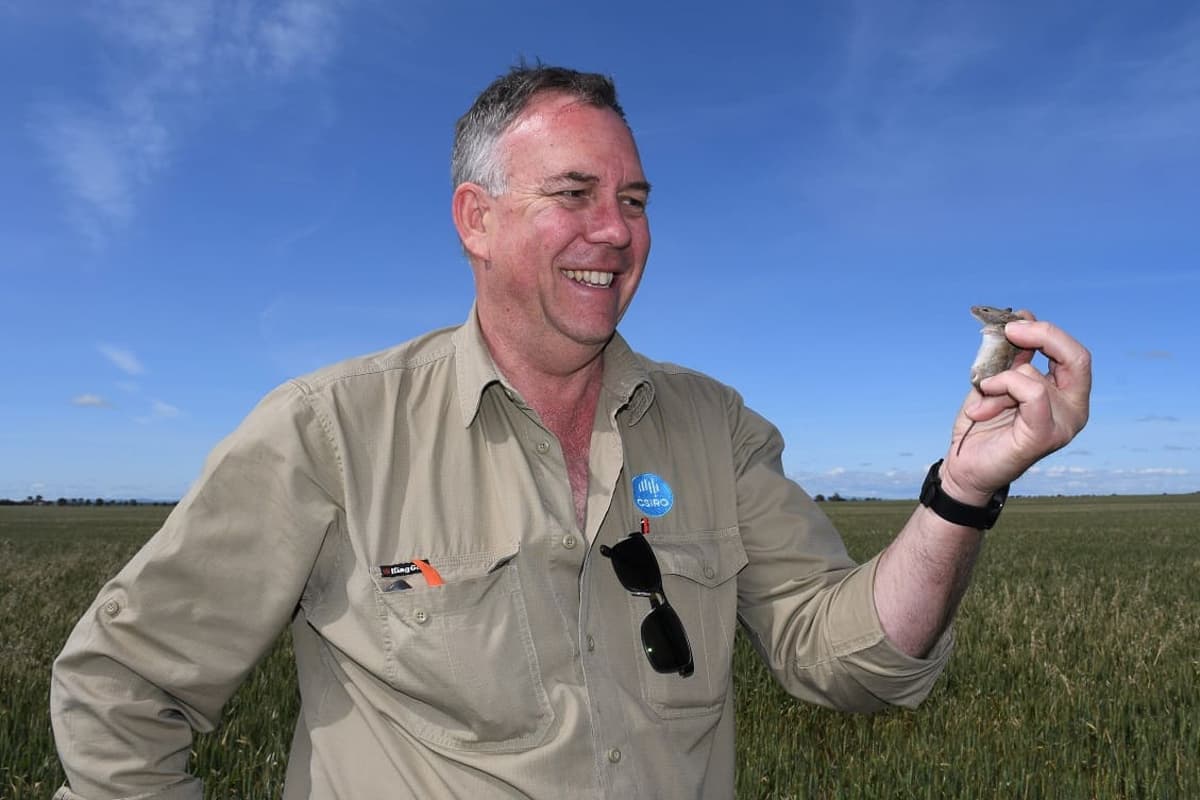
- •CSIRO researcher Steve Henry to share latest mouse management research
- •Growers urged to complete survey to support permit application
Pulse Analysis
Mouse outbreaks have become a recurring threat to Australia’s grain belt, with population spikes often coinciding with the critical seeding period. In South Australia, growers report increasing activity that can quickly damage seedlings, reducing stand establishment and ultimately lowering yields. Historically, rodent pressure has forced farmers to rely on conventional poisons, but rising resistance and environmental concerns have limited options, making timely, science‑backed guidance essential for protecting the 2026 harvest.
Grain Producers Australia is leveraging a multi‑agency partnership—combining GPA’s extension network, CSIRO’s research capacity, and GRDC’s funding—to fast‑track an emergency permit for the novel rodenticide ZP50. The Australian Pesticides and Veterinary Medicines Authority (APVMA) requires robust data on efficacy and safety before granting such permits, so GPA is gathering real‑time field observations through an online survey. By presenting the permit application process and preliminary findings, the May 1 session aims to align regulatory timelines with growers’ immediate pest‑control needs, potentially delivering a legally approved tool before mouse numbers peak.
For growers, the session represents more than an information dump; it’s a collaborative platform to shape pest‑management policy. Integrating research insights with on‑the‑ground experience can accelerate adoption of integrated pest management (IPM) practices, reducing reliance on single‑mode chemicals. Continued data collection will inform future research on rodent behavior, resistance management, and ecosystem impacts. As climate variability intensifies, proactive, coordinated responses like GPA’s online update will be pivotal in safeguarding Australia’s grain supply chain and maintaining the sector’s economic resilience.
GPA to host update for SA growers amid high mouse pressure
Comments
Want to join the conversation?
Loading comments...