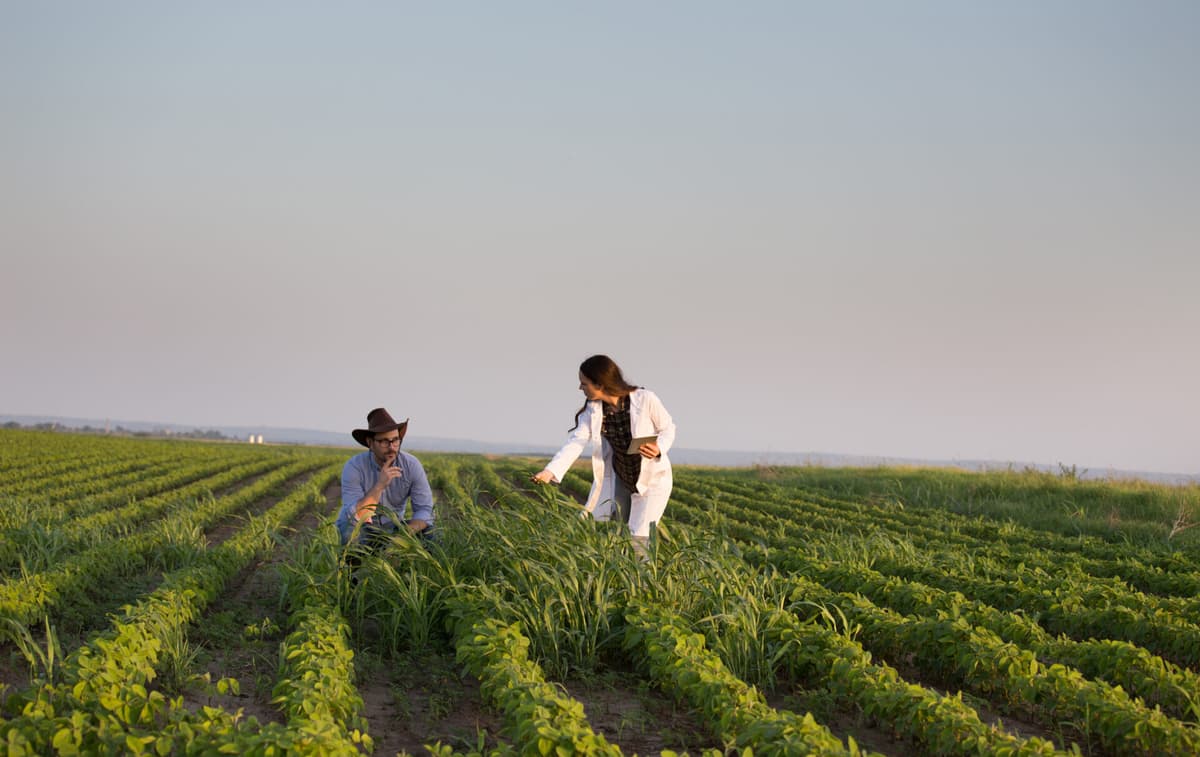
Guest Article: Open-Source Education Is Key to Helping Agriculture Overcome Its Data Phobia
Why It Matters
Closing the data‑literacy gap will unlock the full economic and health benefits of agtech, turning costly pilots into scalable productivity gains. It also creates a market where tools are judged on performance, not brand loyalty.
Key Takeaways
- •Farmers lack basic data literacy, relying on intuition over measurable evidence
- •Open-source education like Vitagri Academy teaches statistical concepts vendor‑neutral
- •Data fluency enables growers to assess model confidence and improve practices
- •Nutrient‑dense predictions could shift incentives from yield to health outcomes
Pulse Analysis
Agriculture’s rapid adoption of AI and machine‑learning is hampered by a deep‑seated data phobia among growers. While conferences tout predictive algorithms, most farmers have never been taught that data is more than a spreadsheet; they lack fundamentals such as averages, confidence intervals, and sample‑size relevance. This knowledge gap means sophisticated platforms generate numbers that are ignored, relegating digital solutions to expensive pilots with marginal returns. Bridging the gap requires a cultural shift toward statistical thinking, not just technology deployment.
Open‑source, vendor‑neutral education offers the most scalable remedy. Vitagri’s free Academy, built with the Bionutrient Institute, provides plain‑language modules on data collection, analysis, and interpretation that any agronomist can access regardless of the tools they use. By decoupling learning from specific software, the curriculum empowers practitioners to evaluate multiple platforms, spot unreliable outputs, and design better experiments. Such collaborative resources accelerate the diffusion of best practices across farms of all sizes, fostering a shared data‑literacy foundation that the industry currently lacks.
When growers become data‑fluent, the entire value chain benefits. Farmers can validate model confidence—e.g., a 92% probability that a practice boosts antioxidants by 40%—and make informed decisions that prioritize nutrient density alongside yield. This shift could re‑align incentives, rewarding producers for health‑focused outcomes and giving food companies reliable verification metrics. In the long run, a data‑savvy agriculture sector will deliver higher productivity, reduced input waste, and healthier food, fulfilling the promise of agtech beyond isolated pilots.
Guest article: Open-source education is key to helping agriculture overcome its data phobia
Comments
Want to join the conversation?
Loading comments...