Guest Article: Physical AI Isn’t Replacing Farmers. It’s Critical for Keeping Them in Business
Why It Matters
The technology addresses acute labor shortages and economic pressure, helping preserve multigenerational farms and rural economies. Successful dealer integration will determine whether automation scales across the specialty‑crop sector.
Key Takeaways
- •Physical AI enables a single operator to control multiple autonomous tractors
- •Dealer training programs bridge the gap between high‑tech equipment and farmer adoption
- •Retrofit approach preserves existing machinery, reducing capital expenditures for growers
- •Interoperability across OEMs is essential for mixed‑fleet farm operations
- •Youth engagement through gamified interfaces fuels the next generation of farmers
Pulse Analysis
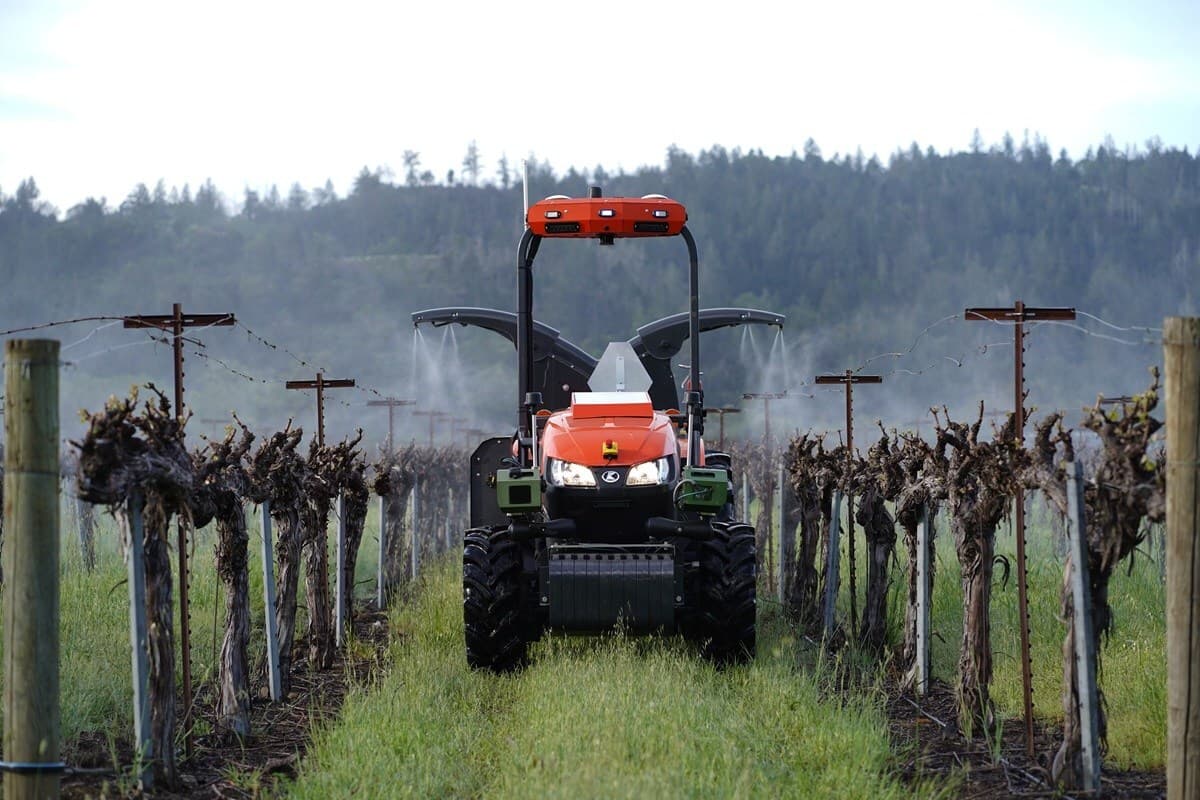
Physical AI is reshaping American agriculture by turning traditional equipment into collaborative, data‑driven workhorses. Rather than a wholesale replacement of labor, the technology layers autonomy onto familiar platforms—such as the Kubota M5—allowing farmers to maintain existing maintenance routines while gaining remote monitoring, precision guidance, and automated task execution. This retrofit model lowers entry costs, accelerates ROI, and eases the cultural transition for operators who may be wary of entirely new machines. As component prices decline and reliability improves, adoption is moving from pilot projects to mainstream operations, especially in labor‑intensive specialty crops where margins are thin.
A critical, yet often overlooked, piece of the automation puzzle is the dealer ecosystem. Dealers act as the connective tissue that translates sophisticated AI stacks into everyday farm workflows. Programs like Kubota’s Tech and Engine Academy equip technicians with hands‑on experience in electronics, diagnostics, and software integration, ensuring that farms receive timely support and that equipment uptime remains high. By positioning dealers as system integrators rather than mere distributors, the industry can deliver end‑to‑end solutions that combine autonomous tractors, implements, and data analytics into cohesive, farm‑specific workflows.
The broader implications extend beyond productivity gains. Physical AI offers a pathway to retain younger talent in agriculture by providing intuitive, video‑game‑style controls that resonate with a tech‑oriented generation. Simultaneously, it upskills existing rural workers, creating higher‑pay, higher‑skill roles that strengthen community resilience. If stakeholders continue to prioritize open collaboration, interoperable standards, and robust dealer training, physical AI will become a catalyst for sustaining multigenerational farms and revitalizing rural economies across the United States.
Guest article: Physical AI isn’t replacing farmers. It’s critical for keeping them in business
Comments
Want to join the conversation?
Loading comments...