Heavy Rain in Southwest Michigan Highlights Benefits of Cover Crops, MSU Says
Why It Matters
The findings demonstrate that regenerative practices like cover crops and no‑till can mitigate flood damage and preserve soil health, offering a climate‑resilient path for Midwestern agriculture.
Key Takeaways
- •Cover crops absorb excess rain, reducing runoff in Southwest Michigan.
- •No‑till fields show faster water infiltration than conventional farms.
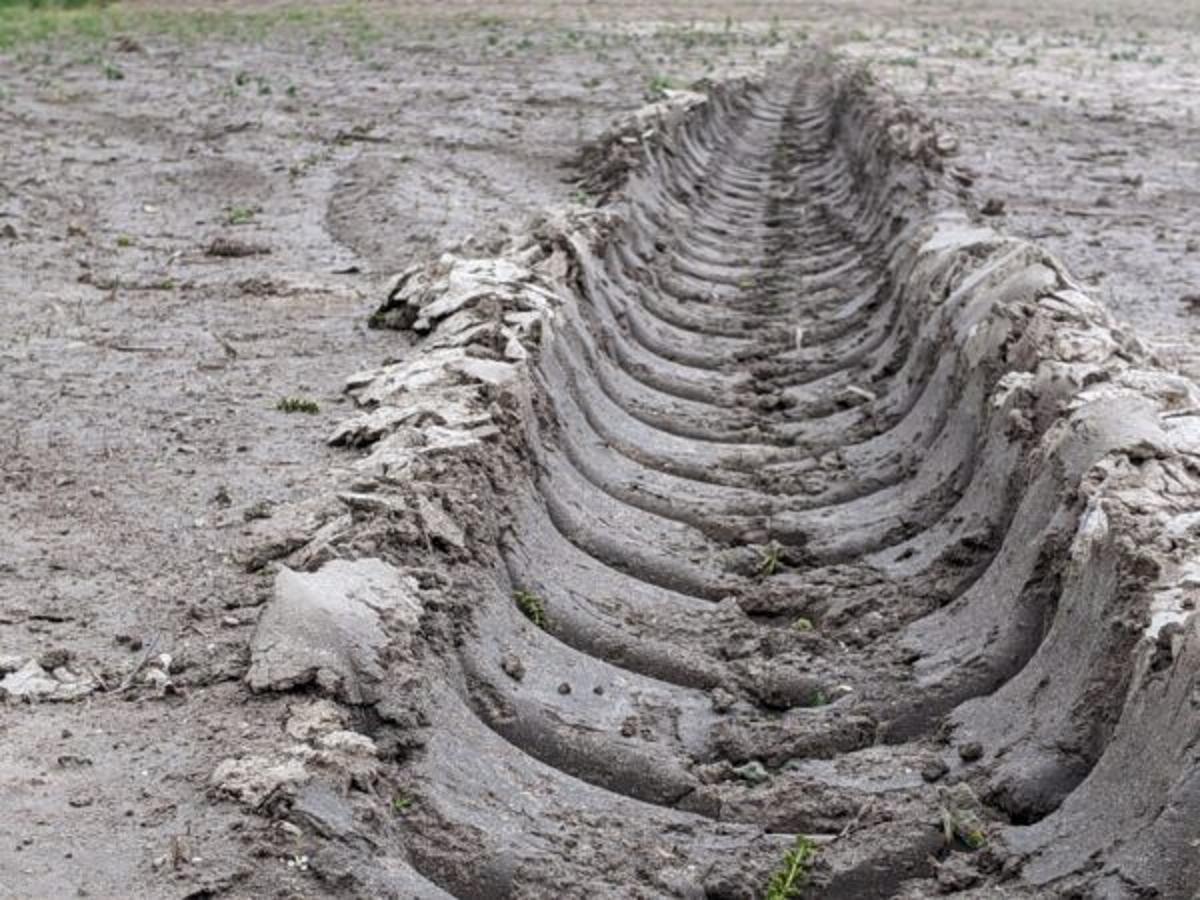
- •Conventional tillage suffered notable soil erosion during heavy storms.
- •Planting delays of up to two weeks expected due to saturated soils.
Pulse Analysis
Heavy spring precipitation is reshaping Midwest farming, and Michigan’s recent deluge underscores the urgency. Climate data shows an upward trend in both total rainfall and the intensity of individual storms, challenging traditional planting calendars. For growers accustomed to dry‑season timing, the surge of 15-plus inches since March forces a reevaluation of field readiness, drainage infrastructure, and risk management strategies. The situation in Southwest Michigan serves as a microcosm of broader climate pressures confronting U.S. agriculture.
Research from Michigan State University’s Long‑Term Agroecosystem Project reveals that regenerative practices can blunt the impact of extreme weather. Fields planted with cover crops and managed under no‑till exhibited rapid water infiltration, essentially “soaking up” rain without generating surface runoff. In contrast, conventional tilled fields showed visible erosion, loss of topsoil, and standing water that delayed planting by up to two weeks. These observations align with a growing body of agronomic literature linking cover crops to improved soil structure, higher organic matter, and enhanced water-holding capacity, all critical under a wetter climate.
The implications extend beyond individual farms. Policymakers and commodity groups are increasingly promoting cover‑crop incentives and conservation tillage subsidies as tools for climate adaptation. For agribusinesses, integrating these practices can safeguard yields, reduce input costs associated with erosion control, and meet emerging sustainability standards demanded by retailers and investors. As rainfall patterns continue to shift, the Michigan case study offers a compelling blueprint for building resilient, productive agroecosystems across the United States.
Heavy rain in Southwest Michigan highlights benefits of cover crops, MSU says
Comments
Want to join the conversation?
Loading comments...