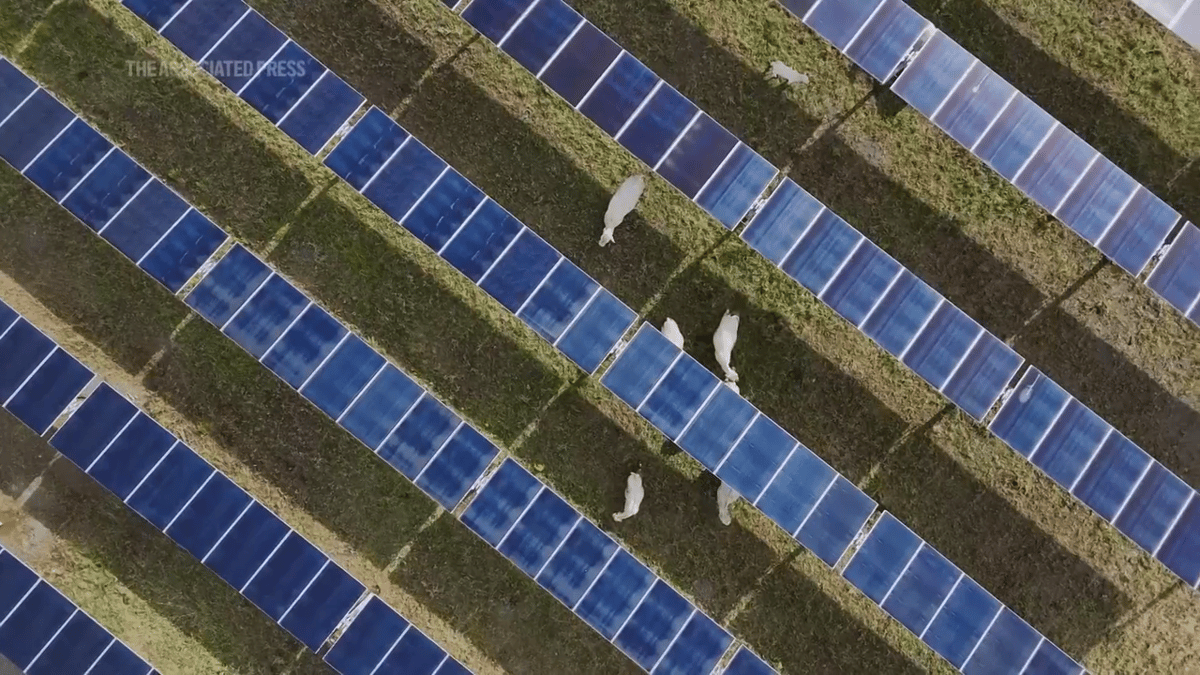
'Help Cattle Producers Hold Onto Their Land and Livelihoods': This First-of-Its-Kind Solar Ranch in Tennessee Uses Ingenious Sensors to Shelter Cattle and Cut Carbon Emissions — and It Could Help to Offset $1 Billion of US Agriculture Declines

Why It Matters
The project demonstrates a scalable agrivoltaic solution that simultaneously boosts farm income, reduces cattle heat stress, and adds clean power, addressing both rural economic strain and climate goals. Its success could accelerate adoption of livestock‑friendly solar farms across the United States.
Key Takeaways
- •40‑acre solar ranch generates ~5 MW while grazing cattle
- •Cattle gain weight faster under shade, reducing water use
- •Land lease yields $1,000 per acre, tenfold typical farming income
- •Agrivoltaics could offset $1 billion of U.S. agriculture losses
- •Software-controlled panels lower construction costs versus permanent vertical structures
Pulse Analysis
Agrivoltaics—combining solar energy with agriculture—has largely focused on crops and small livestock, but the Tennessee solar ranch marks a pivotal shift toward large‑scale cattle integration. By using software to tilt panels horizontally during grazing periods, Silicon Ranch avoids costly steel structures while creating shaded pastures that improve animal welfare. The approach not only generates 5 MW of renewable electricity but also enhances soil moisture retention, making the land more drought‑resilient and boosting cattle weight gain, which translates into higher feed efficiency.
The financial upside is compelling for struggling producers. With USDA forecasts indicating a $17 billion drop in animal‑product cash receipts for 2026, leasing land for solar at roughly $1,000 per acre offers a tenfold increase over traditional farming returns. This supplemental income can keep families on their land, preserving rural communities and mitigating the risk of farmland conversion to non‑agricultural uses. Moreover, the reduced water consumption and lower heat stress for cattle align with broader climate‑adaptation strategies, positioning agrivoltaic ranches as a win‑win for sustainability and profitability.
If the pilot proves viable, the model could be replicated across the nation’s extensive grazing lands, potentially offsetting up to $1 billion in agricultural revenue losses. Scaling would require coordination among utilities, cooperatives, and ranchers, as well as policy incentives that recognize the dual benefits of clean energy and agricultural resilience. As data centers and other high‑energy users demand more carbon‑free power, livestock‑friendly solar farms could become a critical piece of the United States’ renewable energy puzzle, delivering both environmental and economic returns.
'Help cattle producers hold onto their land and livelihoods': This first-of-its-kind solar ranch in Tennessee uses ingenious sensors to shelter cattle and cut carbon emissions — and it could help to offset $1 billion of US agriculture declines
Comments
Want to join the conversation?
Loading comments...