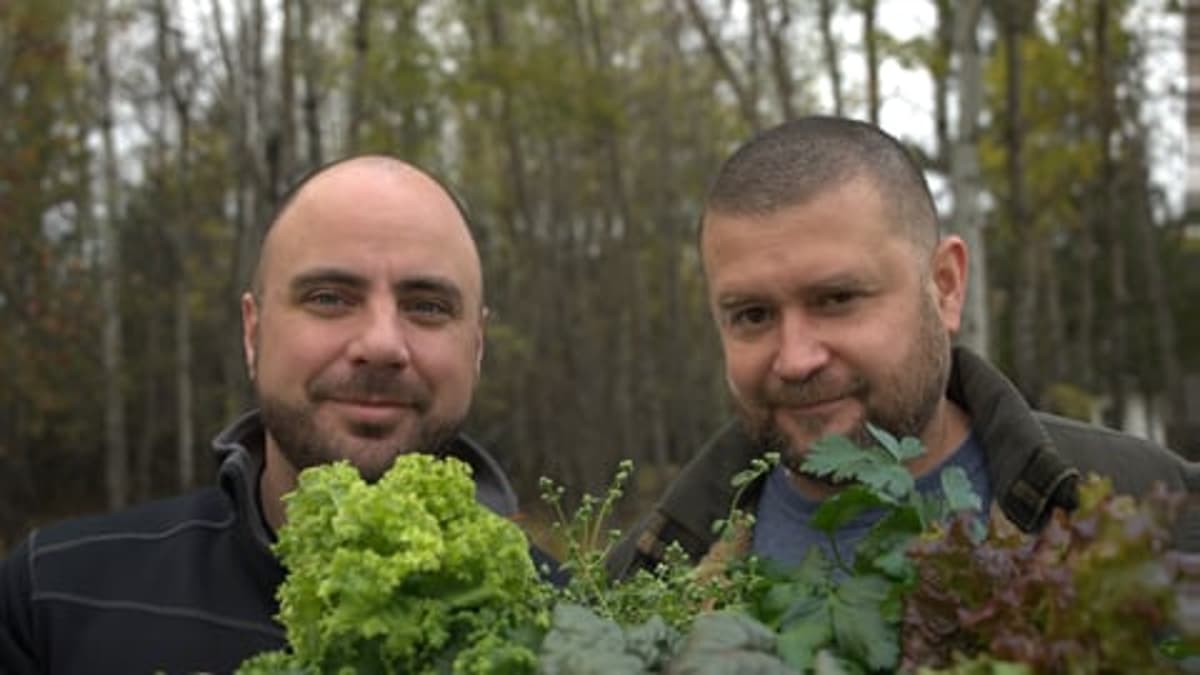
How AgriTech North Is Fighting Food Insecurity in Ontario
Why It Matters
The initiative tackles northern Ontario’s chronic food‑insecurity by creating a climate‑resilient supply chain and unlocking market access for small producers, which could reshape regional economies and serve as a model for other remote areas.
Key Takeaways
- •Patented ETFE greenhouse cuts heat loss up to 70%
- •Year‑round production of herbs, tomatoes, eggplant, strawberries in -40°C region
- •Platform aggregates 100+ local Indigenous producers, handling labeling and logistics
- •Northwestern Ontario lacks regional food terminal, forcing costly long‑haul shipments
- •Food‑literacy programs target schools to boost demand for new produce
Pulse Analysis
AgriTech North’s 2,500‑sq‑ft. patented greenhouse uses a triple‑layer ETFE envelope that can reduce heat loss by up to 70%, making year‑round cultivation viable in Dryden’s -40 °C winters. Backed by FedNor, the Northern Ontario Heritage Fund, Agriculture and Agri‑Food Canada and the Weston Family Foundation, the company plans to scale manufacturing within two years. The technology challenges the conventional wisdom that northern greenhouses must shut down each winter, opening the door to higher‑value crops such as cherry tomatoes, eggplant and strawberries, rather than low‑nutrient lettuce.
The region’s logistics bottleneck—no regional food terminal and reliance on distant hubs in Thunder Bay or Winnipeg—adds significant cost and erodes margins for small producers. AgriTech’s platform aggregates more than 100 local and Indigenous growers, providing labeling, barcoding, food‑safety compliance and “white‑glove” distribution to national and international shelves. By handling these back‑office functions, the firm acts as an economic bridge, allowing growers like Brûlé Creek Flour and Sunrise Meats to reach grocery chains without building their own supply‑chain infrastructure.
Beyond production, AgriTech’s charitable arm tackles food literacy, partnering with schools to teach students how to prepare unfamiliar vegetables such as kale. Raising consumer awareness is essential; without demand, new produce cannot sustain market presence. The combined model of climate‑resilient farming, streamlined market access, and education creates a replicable blueprint for other remote food‑insecure regions. If the Dryden experiment succeeds, it could reshape supply chains across Canada’s North and inform policy on sustainable agriculture and Indigenous economic development.
How AgriTech North is fighting food insecurity in Ontario
Comments
Want to join the conversation?
Loading comments...