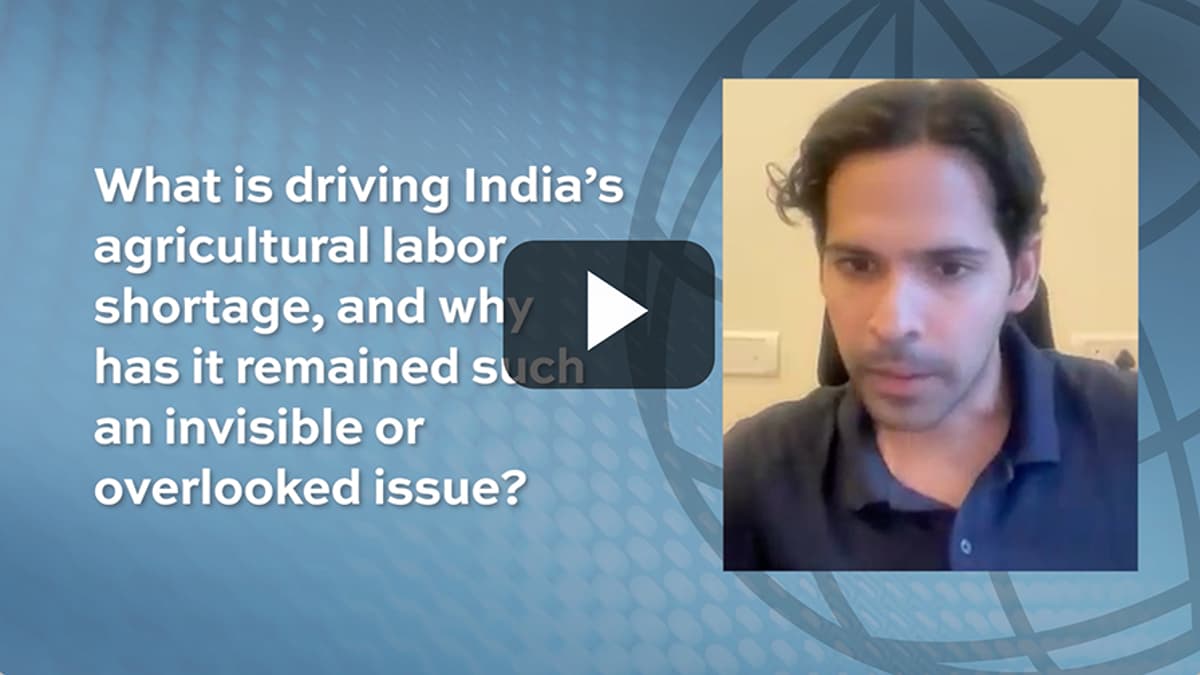
Inside India’s Agricultural Labor Gap: How AgTech Is Digitizing the Farm Workforce
Why It Matters
Creating a data‑driven labor market will unlock productivity gains for Indian agriculture while formalizing millions of workers, delivering both commercial value and social impact.
Key Takeaways
- •140 M Indian farm workers lack digitized skill profiles
- •Private AgTech platforms use WhatsApp to match labor with crops
- •AI forecasting can align surplus labor with regional shortages
- •Formal digital identities could boost earnings and policy planning
Pulse Analysis
India’s farm workforce is the largest yet most opaque segment of its agricultural economy. With 140 million laborers operating in fragmented, village‑level networks, traditional "mukadam" intermediaries lack the data needed to allocate talent efficiently. This information deficit drives inflated wages, crop‑switching, and, in extreme cases, farmer exit. By digitizing worker profiles—capturing skills, migration trends, and availability—AgTech firms can create a baseline that transforms a chaotic market into a searchable talent pool.
The breakthrough lies in marrying sophisticated AI models with low‑tech user interfaces. Bharat Intelligence and similar startups embed complex forecasting algorithms behind simple WhatsApp messages and phone calls, ensuring adoption among farmers and laborers with limited digital literacy. AI predicts regional labor surpluses, anticipates seasonal demand spikes, and recommends optimal worker‑crop matches, reducing reliance on costly ad‑hoc hiring. This approach not only cuts operational expenses but also opens new revenue streams for platform providers through subscription‑based labor intelligence services.
Beyond immediate efficiency, a formalized labor data ecosystem reshapes the broader rural economy. Verified digital identities enable workers to build credit histories, access government schemes, and command higher wages. Policymakers gain granular insights to tailor infrastructure investments, subsidy allocations, and skill‑development programs. Over the next decade, such intelligence could accelerate mechanization, raise yields, and stabilize incomes, positioning India as a global horticultural leader while lifting tens of millions out of informal employment.
Inside India’s Agricultural Labor Gap: How AgTech Is Digitizing the Farm Workforce
Comments
Want to join the conversation?
Loading comments...