Is This the Beginning of the End for Bagged Greens?
Why It Matters
The solution offers a sustainable, cost‑effective alternative to bagged greens, cutting food waste and supply‑chain emissions while giving consumers fresh produce at home, which could disrupt traditional fresh‑produce manufacturers.
Key Takeaways
- •Home Harvest units cost ~$430, with $13‑$19 monthly seed‑mat subscription.
- •Units consume ~ $2.5 electricity per month, fitting kitchen countertop.
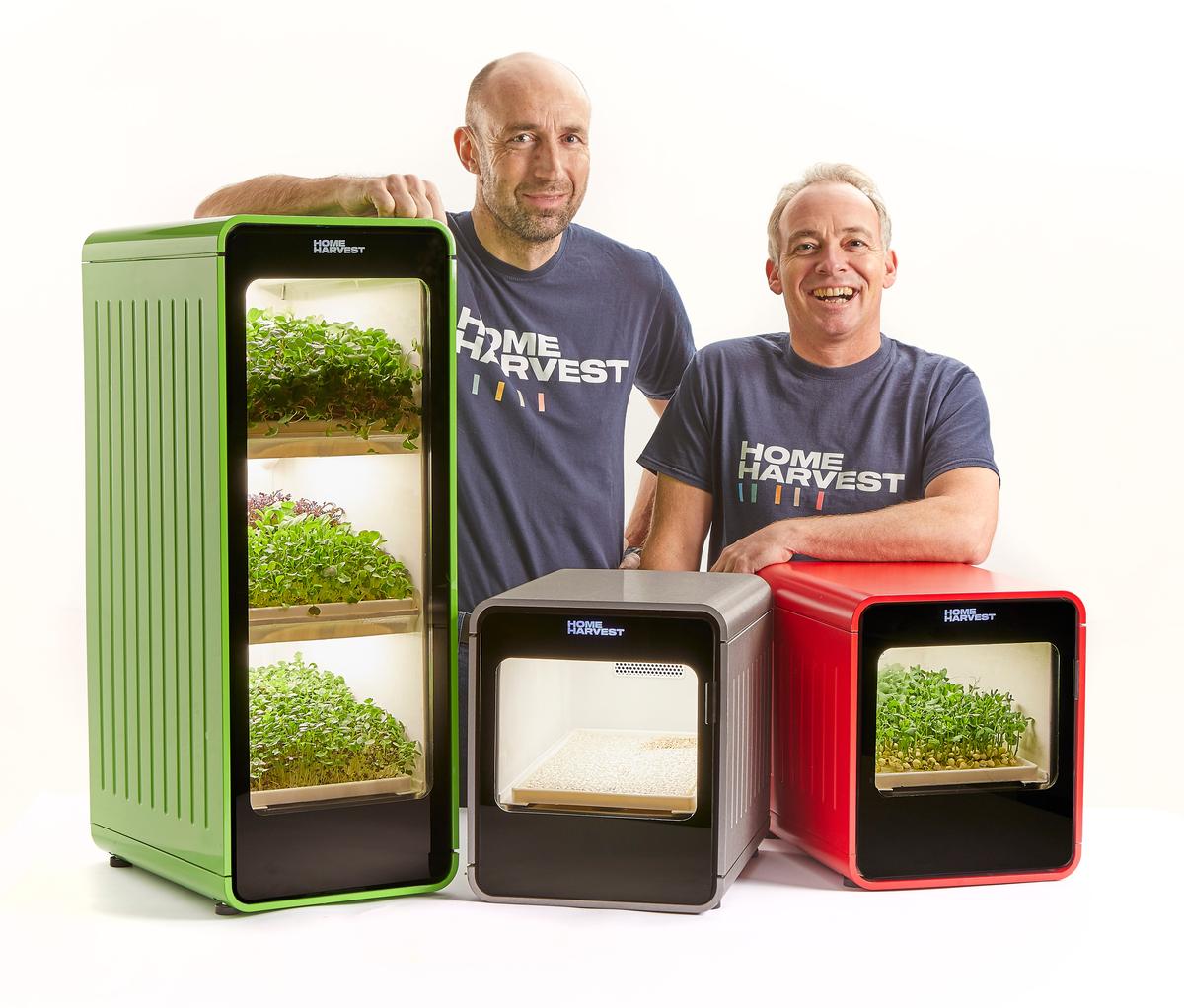
- •Larger model grows three crops, each with app‑controlled environment.
- •Company raised ~$1.5 million to scale launch in UK and US.
- •Potential to cut 70% waste and reduce 1,000 weekly salad truck imports.
Pulse Analysis
Vertical farming has moved from experimental warehouses to consumer kitchens, driven by advances in LED lighting, IoT sensors and low‑cost robotics. Home Harvest leverages these technologies to deliver a plug‑and‑play vertical farm that fits on a countertop, consuming only a few dollars of electricity each month. By embedding seed, fertilizer and growth recipes in recyclable mats, the company simplifies the agronomy for everyday users, turning what once required horticultural expertise into a subscription‑based experience comparable to coffee pods.
The business model hinges on recurring revenue from seed‑mat subscriptions, priced at roughly $13‑$19 per month, while the upfront hardware cost sits near $430. This pricing undercuts the per‑head cost of premium bagged salads, especially when factoring in the elimination of food‑miles, pesticides and the staggering 70% waste rate in the leafy‑green sector. With an estimated $1.5 million raised, Home Harvest is positioned to scale distribution across the UK and US, targeting health‑conscious consumers who value freshness, sustainability and the novelty of growing their own produce.
If adoption accelerates, the ripple effects could reach growers, distributors and retailers. Traditional salad manufacturers may see reduced shelf‑space demand as households replace a portion of their weekly grocery trips with home‑grown greens. However, success depends on user experience, app reliability and the perceived convenience versus buying pre‑packaged lettuce. As the technology matures and AI-driven crop monitoring becomes mainstream, Home Harvest could catalyze a broader shift toward decentralized, low‑impact food production, echoing the broader trend of personalization in the consumer food market.
Is this the beginning of the end for bagged greens?
Comments
Want to join the conversation?
Loading comments...