Lack of Land Casts Doubt on Govt’s Sugarcane Plantation Mandate
Why It Matters
The policy could reshape Indonesia’s sugar supply chain, reducing import dependence while exposing the sector to land‑use challenges and price volatility. Successful implementation would be a key step toward the nation’s self‑sufficiency target.
Key Takeaways
- •Indonesia imports 4.03 million tonnes of sugar annually
- •Government mandates refiners develop own sugarcane plantations
- •Land acquisition hurdles threaten policy implementation
- •Potential price rise for consumers flagged by processors
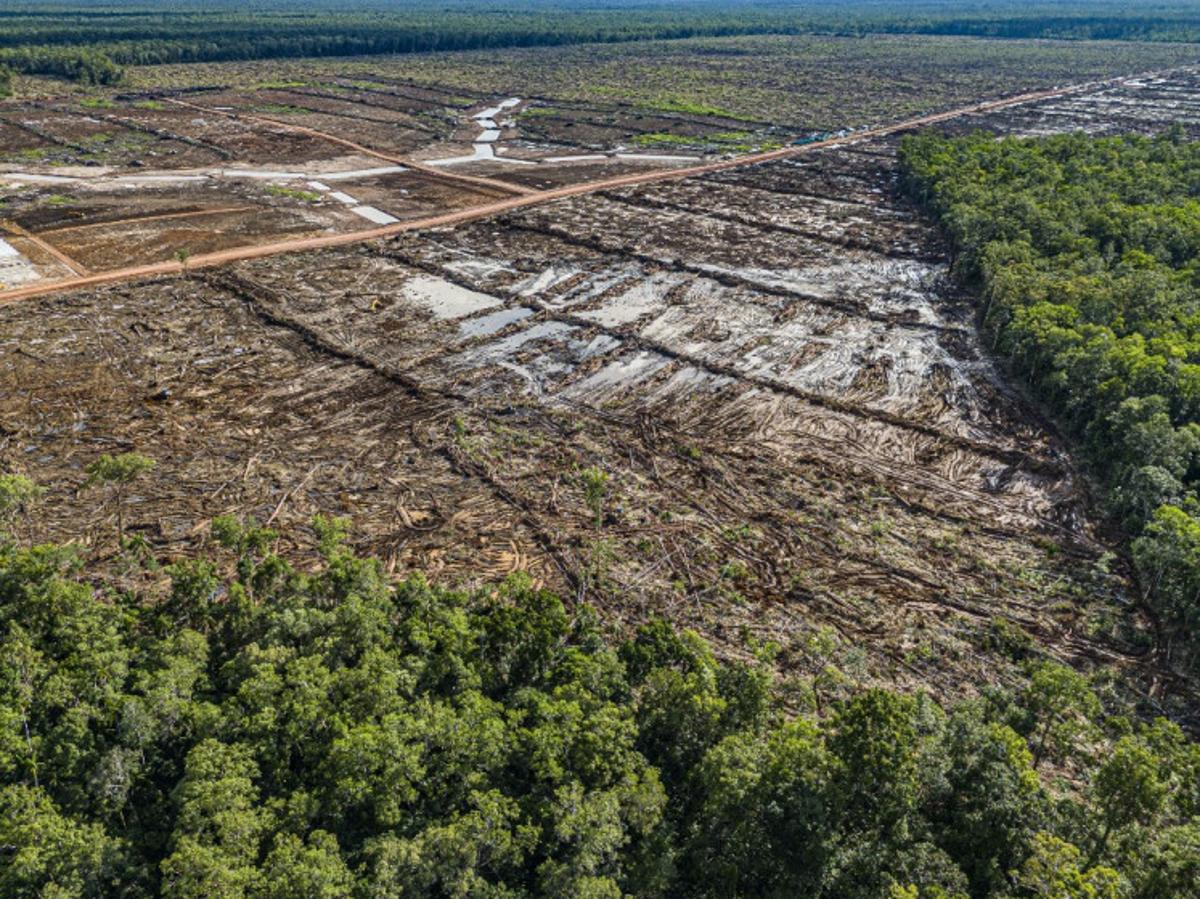
- •Environmental concerns arise from forest conversion in Papua
Pulse Analysis
Indonesia’s push for sugar self‑sufficiency reflects a broader trend among emerging economies to curb reliance on volatile commodity imports. With domestic production covering only 40 percent of the 6.7 million‑tonne demand, the government sees plantation mandates as a way to lock in raw material supply for refiners that currently depend on overseas cane. By tying refinery licences to local cultivation, policymakers hope to stabilize the market, protect domestic growers, and keep more value within the country’s agricultural sector.
However, the initiative collides with Indonesia’s complex land tenure system and a shortage of undeveloped, arable land. Companies like PT Murni Nusantara Abadi have already highlighted the difficulty of securing plots without infringing on customary forest rights, especially in regions such as South Papua where indigenous communities guard traditional territories. These land‑acquisition bottlenecks could delay plantation roll‑outs, forcing refiners to continue importing raw sugar and potentially passing higher costs onto consumers. The short‑term price pressure cited by processors underscores the delicate balance between achieving self‑sufficiency and maintaining affordable retail sugar.
Environmental implications add another layer of scrutiny. Converting forested areas into monoculture sugarcane fields threatens biodiversity, carbon storage, and local livelihoods, raising alarms from NGOs and international observers. If the mandate proceeds without robust safeguards, Indonesia risks criticism for compromising its climate commitments. Conversely, a well‑designed framework that incorporates sustainable land‑use planning could turn the policy into a model for responsible agricultural expansion, aligning economic goals with ecological stewardship.
Lack of land casts doubt on govt’s sugarcane plantation mandate
Comments
Want to join the conversation?
Loading comments...