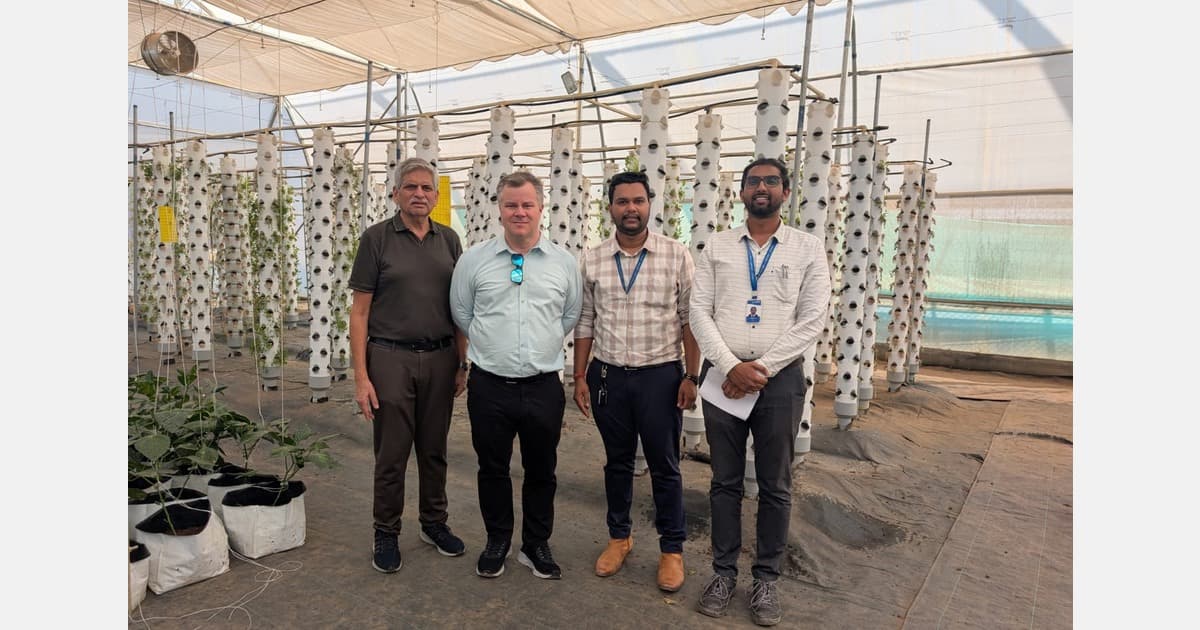
Laying the Groundwork for an India-Sweden Medicinal Plant Collaboration
Why It Matters
By aligning Indian medicinal‑plant production with EU GACP standards, the collaboration opens high‑value export channels and positions India as a reliable supplier of pharmaceutical‑grade botanicals.
Key Takeaways
- •Indian farmers will receive GACP training for EU market compliance
- •Swedish Herbal Institute to co‑develop controlled‑environment agriculture labs at Christ University
- •Partnership links academia, industry, and growers to boost medicinal‑plant export quality
- •AVF facilitates cross‑border knowledge transfer between Sweden and India
Pulse Analysis
Global demand for plant‑based therapeutics is rising, driven by consumer preference for natural remedies and stricter regulatory scrutiny in Europe. The European Union’s Good Agricultural and Collection Practices (GACP) framework sets rigorous standards for cultivation, harvesting, and traceability, making compliance a gatekeeper for market entry. India, with its diverse climate and extensive farming base, is uniquely positioned to meet this demand, but many growers lack the technical know‑how to satisfy EU criteria. The new India‑Sweden tie‑up directly addresses this gap, offering a pathway for Indian producers to tap into a multibillion‑dollar market.
The collaboration focuses on two practical pillars: farmer training and Controlled Environment Agriculture (CEA). Through workshops and curriculum development at Christ University, Indian growers will learn GACP protocols, from soil management to post‑harvest handling, ensuring that raw botanical material meets European quality benchmarks. Simultaneously, the partnership will pilot CEA labs that regulate temperature, humidity, and light, preserving the potency of active compounds in medicinal plants such as Ashwagandha and Turmeric. These controlled settings not only boost consistency but also reduce pesticide reliance, aligning with sustainability goals and enhancing export appeal.
Beyond immediate trade benefits, the initiative signals a deeper strategic alignment between Indian research institutions and Swedish biotech expertise. By fostering joint R&D projects, the partners can co‑create high‑value cultivars and explore novel extraction methods, accelerating innovation in the global herbal‑medicine sector. Over time, this model could be replicated across other high‑growth agricultural domains, reinforcing India’s role as a hub for compliant, premium‑grade natural products and strengthening bilateral economic ties between the two nations.
Laying the groundwork for an India-Sweden medicinal plant collaboration
Comments
Want to join the conversation?
Loading comments...