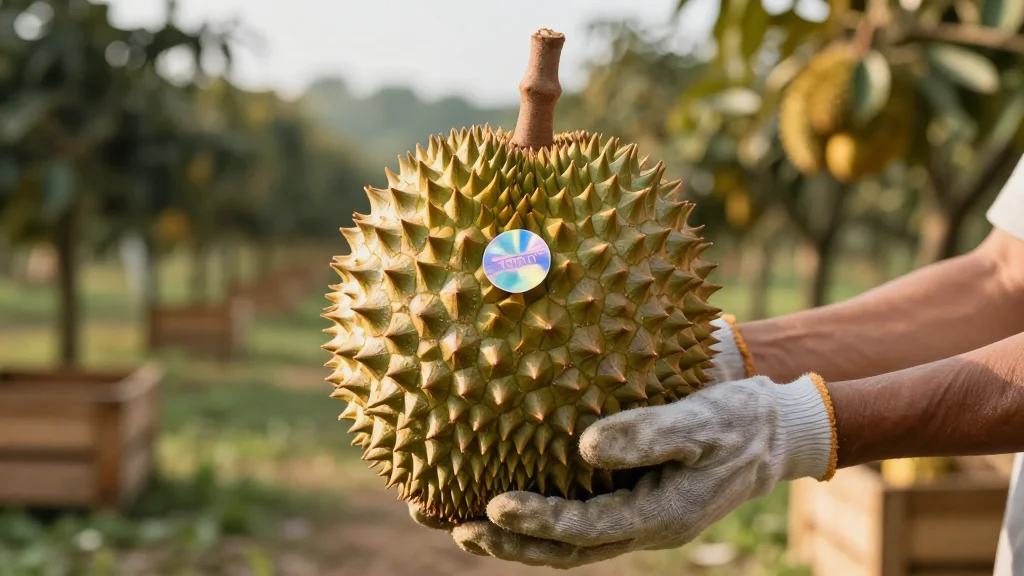
Malaysian Durian Farmers Use Technology to Fight Fake Penang Fruits
Why It Matters
The authentication platform protects Penang’s premium durian reputation, safeguarding revenue for growers and reinforcing Malaysia’s position in the global fruit market. It also showcases how agri‑tech can combat fraud in high‑value produce.
Key Takeaways
- •QR codes enable instant origin verification for Penang durians
- •Around 200 of 250 association members actively using the system
- •Codes remain active for seven days, alerting duplicate scans
- •Ministry backs the tech to preserve Malaysia’s durian branding
Pulse Analysis
The surge in demand for premium Malaysian durians has exposed a growing problem: counterfeit fruit being sold under the Penang label. Consumers abroad and at home increasingly seek authentic "King of Fruits," but without reliable provenance, the market risks dilution and price erosion. This mirrors broader challenges in specialty agriculture, where brand equity hinges on geographic indication and quality guarantees. By confronting fraud head‑on, Malaysia aims to protect a multi‑billion‑dollar export niche that fuels rural incomes and tourism.
The QR‑code verification system represents a pragmatic blend of low‑cost hardware and cloud‑based data management. Each durian receives a stem‑attached tag that, once scanned, pulls up orchard details, harvest date, and a verification status that expires after a week. The seven‑day window balances security with practicality, allowing vendors to refresh tags daily while alerting growers to duplicate scans that signal counterfeit attempts. Partnering with a tech firm for the database ensures scalability, and the association’s rapid adoption—200 growers engaged within months—demonstrates farmer confidence in digital tools that directly reach consumers at stalls and night markets.
Beyond durians, the initiative signals a broader shift toward traceability in Southeast Asian agriculture. As trade partners like China tighten customs scrutiny, authenticated QR codes could become a de‑facto standard for high‑value produce, from mangosteen to specialty coffee. Policymakers may leverage this model to streamline the government’s "Track and Trace" program, integrating it with export certification and insurance schemes. For investors and supply‑chain actors, the Penang case offers a template: combine simple IoT tagging with transparent data to protect brand integrity, command premium pricing, and open new market channels for small‑holder farmers.
Malaysian durian farmers use technology to fight fake Penang fruits
Comments
Want to join the conversation?
Loading comments...