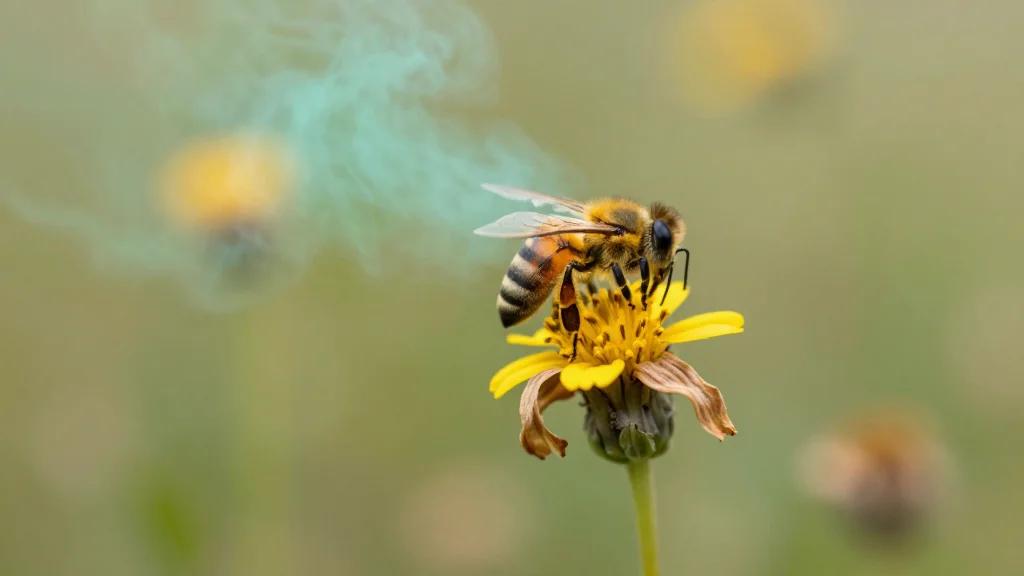
Millions of Dead Bees Spark Pesticides Debate in Uruguay
Why It Matters
The mass bee mortality threatens pollination services worth up to $400 million annually and exposes the vulnerability of Uruguay’s export‑driven agriculture to unsustainable chemical practices. Addressing the pesticide cocktail issue is essential for food security, biodiversity, and the country’s global market reputation.
Key Takeaways
- •15,000 hives lost, possibly double unreported, across 85 beekeepers
- •Pesticide “cocktails” of herbicides and desiccants linked to mass bee deaths
- •Uruguay lacks regulations assessing combined agrochemical impacts on pollinators
- •Proposed tax on high‑risk pesticides could fund beekeepers, valued at $400 M
Pulse Analysis
Uruguay’s beekeeping sector, which produces roughly 9,000‑12,000 tonnes of honey a year, has become an unexpected barometer of the country’s agricultural intensity. The 2025 die‑off, affecting tens of thousands of hives, coincided with record imports of 31 million litres of herbicides, including paraquat and glyphosate, as soy and maize acreage surged. Such a rapid expansion places pollinators under unprecedented chemical pressure, threatening not only honey yields but also the broader ecosystem services that underpin crop productivity.
Scientists point to pesticide "cocktails"—mixtures of herbicides, desiccants and other agro‑inputs—as the hidden driver of the crisis. While each product meets individual safety thresholds, their combined toxicity can be lethal, a risk not captured by Uruguay’s reliance on LD50 laboratory tests. Moreover, 86 active ingredients approved locally are banned in the European Union, and 88% of high‑risk WHO‑listed chemicals used in Latin America are prohibited in the EU. This regulatory lag leaves bees, native mangangás, wasps and butterflies exposed, amplifying biodiversity loss and undermining the pollination network essential for both export crops and native flora.
Policy responses are emerging. Integrated pest management and biological inputs promise to cut pesticide reliance, though adoption remains modest due to higher costs. A proposed tax on the most hazardous pesticides could generate funds to compensate beekeepers for the $400 million value of their free pollination services. Aligning reporting requirements, mandating impact assessments for chemical mixtures, and incentivizing night‑time or non‑flowering‑period applications could restore coexistence between agriculture and apiculture, safeguarding Uruguay’s food security and its reputation in global markets.
Millions of dead bees spark pesticides debate in Uruguay
Comments
Want to join the conversation?
Loading comments...