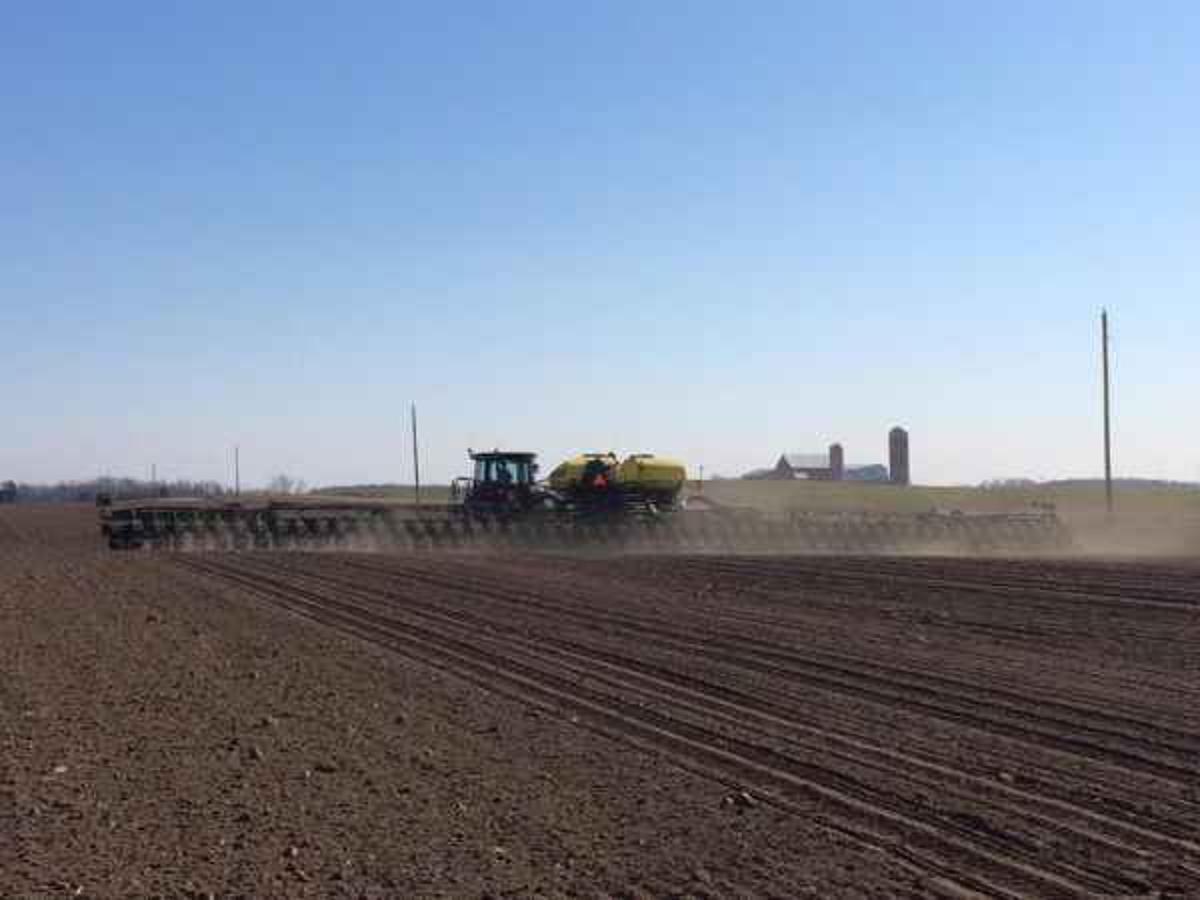
New ASSET Initiative Incentivizes Sugarbeet Growers to Cut Erosion with Strip-Till Program
Why It Matters
By financially incentivizing low‑disturbance tillage, the ASSET program accelerates erosion control and cost savings for growers, while advancing broader climate‑resilient agriculture goals.
Key Takeaways
- •$52/acre incentive for strip‑till and cover crops
- •Three‑year grant‑backed program targets Saginaw Bay watershed
- •Mentor farmers receive extra payments for technical assistance
- •Strip‑till reduces soil disturbance, fertilizer and fuel costs
Pulse Analysis
The ASSET initiative reflects a growing trend of public‑private partnerships that use direct payments to promote conservation tillage. By coupling USDA‑NRCS grant funding with industry stakeholders, the program lowers the financial barrier for sugar‑beet growers to adopt strip‑till, a method that leaves two‑thirds of the soil undisturbed. This reduced soil disruption not only curtails erosion—a critical concern in the Saginaw Bay watershed—but also enables precision nutrient applications that can trim fertilizer expenses by up to 15 percent, according to recent agronomic studies.
Beyond immediate cost savings, strip‑till supports long‑term soil health by preserving organic matter and microbial activity. The ASSET program’s mentor component leverages experienced farmers to disseminate best practices, accelerating adoption rates across the region. Such peer‑to‑peer knowledge transfer is essential for scaling conservation techniques, especially in commodity crops where uniformity and yield consistency are paramount. Participants also benefit from equipment discounts, further reducing capital outlays and encouraging broader technology uptake.
From a policy perspective, the ASSET model offers a replicable blueprint for other states seeking to meet USDA conservation targets while maintaining farm profitability. By aligning financial incentives with measurable environmental outcomes—such as reduced sediment runoff into the Great Lakes—the program demonstrates how targeted subsidies can drive both ecological and economic gains. As climate pressures mount, initiatives like ASSET will likely shape the next wave of sustainable agriculture funding, positioning the U.S. as a leader in climate‑smart farming.
New ASSET Initiative incentivizes sugarbeet growers to cut erosion with strip-till program
Comments
Want to join the conversation?
Loading comments...