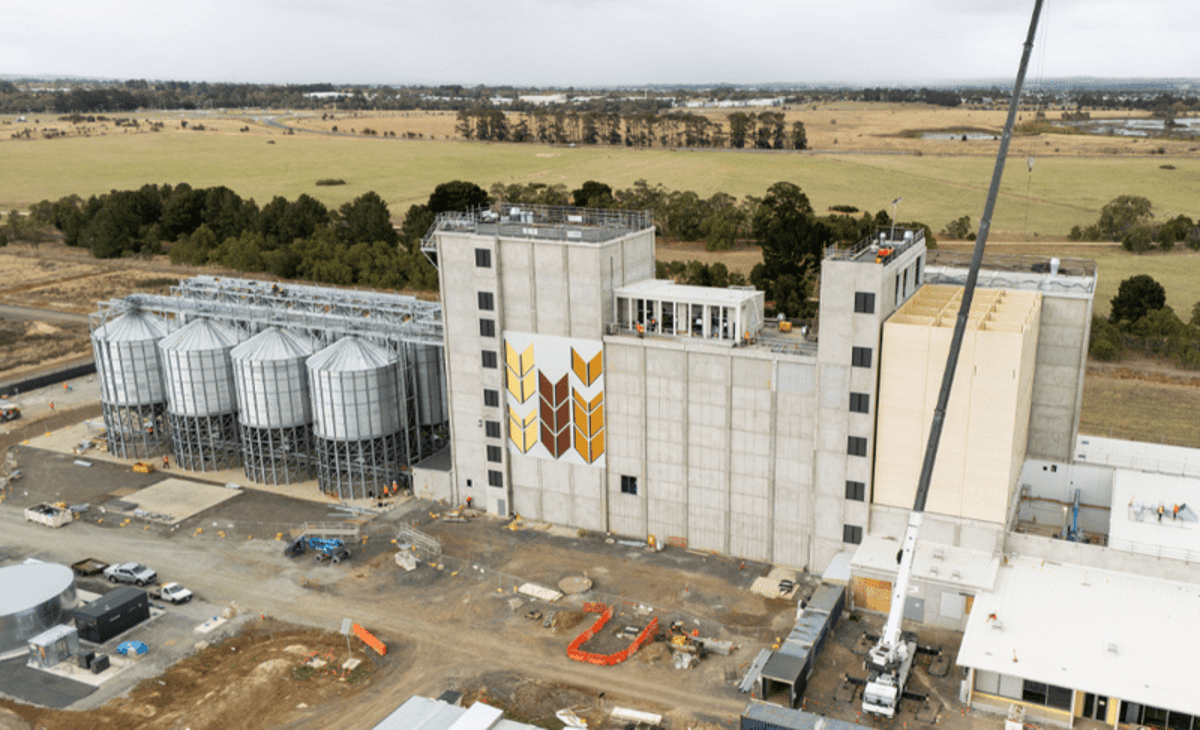
New Ballarat Flour Mill on Track to Open This Year
Why It Matters
The mill strengthens Australia’s domestic flour supply chain, creates manufacturing jobs in regional Victoria, and enhances GWF’s competitive position against rivals like Allied Pinnacle and Manildra. Its rail‑ready location promises long‑term logistics efficiencies and lower transport costs.
Key Takeaways
- •Ballarat mill will process 180,000 tonnes of wheat annually
- •Capacity will more than double GWF’s Victorian milling output
- •Opening slated for August 2026, creating regional jobs
- •$500 million AUD (~$330 million USD) invested in GWF over decade
- •Mill positioned near Ballarat Intermodal Freight Hub for future rail supply
Pulse Analysis
George Weston Foods (GWF) is expanding its Australian footprint with a new flour mill in Ballarat, marking the company’s first greenfield construction in the country. The facility will handle 180,000 tonnes of wheat each year, more than doubling Mauri’s Victorian capacity and complementing the existing North Melbourne plant. This scale‑up reflects GWF’s broader strategy to secure grain processing assets across the nation, positioning the brand alongside industry heavyweights Allied Pinnacle and Manildra while leveraging its diversified portfolio that includes Tip Top Bakery and other food‑service businesses.
Beyond capacity, the Ballarat mill carries significant economic weight for regional Victoria. State officials anticipate the plant will generate dozens of direct manufacturing jobs and inject millions of dollars into the local economy, a claim supported by the $500 million AUD (about $330 million USD) GWF has poured into Australian operations over the past ten years. The timing aligns with the Ballarat West Employment Zone’s push for advanced manufacturing, and the mill’s proximity to the upcoming Intermodal Freight Hub promises future rail connectivity, reducing reliance on road transport and lowering logistics costs for grain inbound and flour outbound shipments.
From an industry perspective, the new mill underscores a shift toward localized, high‑capacity flour production amid rising demand for premium and specialty breads in Australia. By situating the plant near rail infrastructure and a major freight hub, GWF is future‑proofing its supply chain against potential disruptions and positioning itself to capture a larger share of the domestic market. The move also signals confidence in Australia’s agrifood sector, suggesting that other major players may consider similar regional expansions to meet evolving consumer preferences and export opportunities.
New Ballarat flour mill on track to open this year
Comments
Want to join the conversation?
Loading comments...