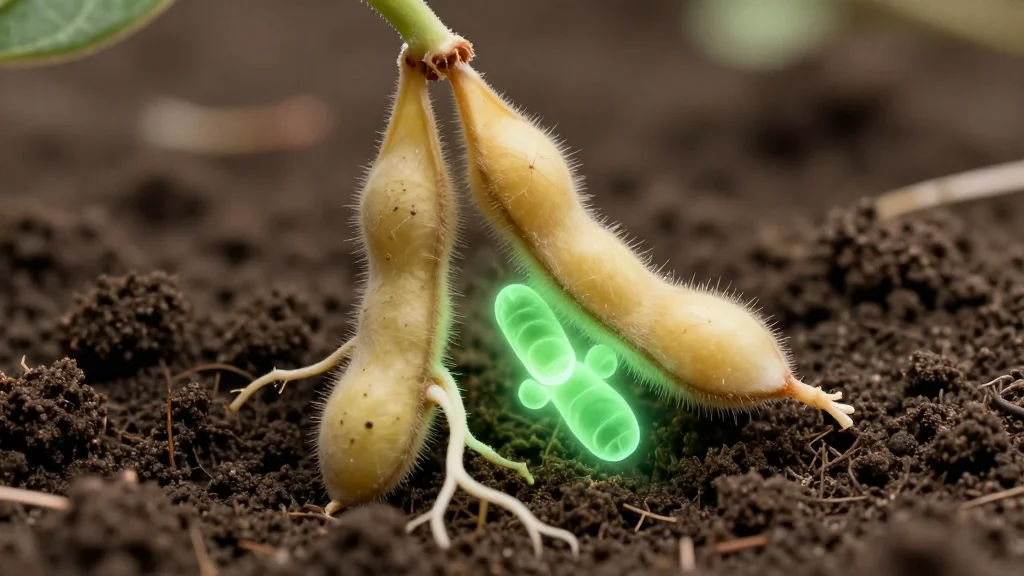
Nitrogen-Fixing Genes Moved Into New Bacterial Strains, Opening Path Beyond Fertilizer
Why It Matters
If scalable, this technology could cut fertilizer expenses and lower environmental impacts, addressing fertilizer shortages and greenhouse‑gas emissions tied to nitrogen production.
Key Takeaways
- •WSU transferred nitrogen-fixation symbiosis island into non‑rhizobia bacteria
- •New genetic tool increased success of bacterial mating by orders of magnitude
- •Converted strains showed neutral or beneficial effects on host plant cells
- •Goal: engineer cereal‑crop microbes to replace synthetic nitrogen fertilizer
Pulse Analysis
Synthetic nitrogen fertilizer accounts for roughly 80% of the nitrogen applied to global croplands, driving up production costs and contributing to greenhouse‑gas emissions and waterway eutrophication. Farmers have long sought a biological alternative, but most staple crops—wheat, corn, soy—lack the natural symbiosis that legumes enjoy. By harnessing the evolutionary partnership between rhizobia and legume roots, scientists aim to replicate that nitrogen‑fixing capability in non‑legume systems, potentially reshaping the economics and sustainability of modern agriculture.
The Washington State University team tackled a key bottleneck: transferring the entire symbiosis island—a contiguous block of dozens of genes responsible for nodule formation and nitrogenase activity—into unrelated bacterial hosts. Their custom genetic conduit boosted mating efficiency from near‑zero to measurable success across dozens of strain pairings, and many of the engineered microbes established neutral or beneficial interactions with plant cells. This breakthrough not only validates the concept of modular endosymbiotic engineering but also provides a platform to dissect which gene variants drive optimal performance in diverse microbial backgrounds.
Looking ahead, the research agenda focuses on fine‑tuning gene clusters for cereal‑associated microbes, field‑testing engineered strains under real‑world conditions, and navigating regulatory pathways for microbial inoculants. If commercialized, such bio‑fertilizers could slash fertilizer spend for U.S. growers—currently exceeding $20 billion annually—and reduce nitrogen runoff that harms the Gulf of Mexico dead zone. The timeline remains uncertain, but the study marks a pivotal step toward a fertilizer‑light future for staple crops.
Nitrogen-fixing genes moved into new bacterial strains, opening path beyond fertilizer
Comments
Want to join the conversation?
Loading comments...