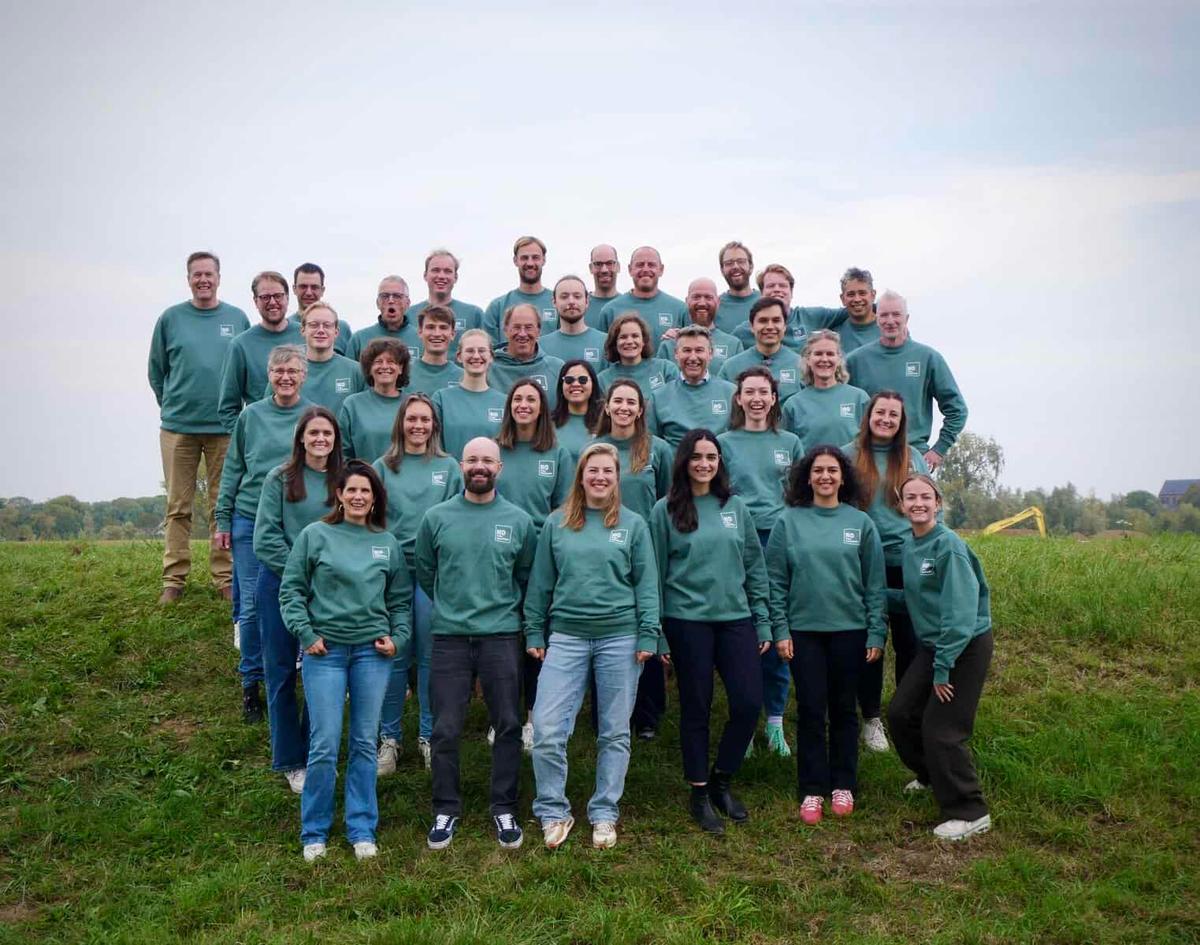
NoPalm Ingredients Shortlisted for World’s Largest Environmental Food Prize
Why It Matters
The finalist status validates NoPalm’s low‑carbon, drop‑in palm‑oil alternatives, signaling a scalable path to decarbonize a commodity that fuels half of global consumer goods. It also spotlights fermentation as a mainstream route for sustainable fats, attracting capital and policy support.
Key Takeaways
- •NoPalm shortlisted for 2026 Curt Bergfors Food Planet Prize
- •Prize offers $1.5 million top award, $150k for finalists
- •Yeast‑derived fats cut carbon by 90% and land use by 99%
- •Products replace palm, shea, cocoa butter without reformulation
- •Competitors include Clean Food Group (£4.5 m) and Estonia’s ÄIO
Pulse Analysis
The palm‑oil market underpins roughly 50% of fast‑moving consumer goods, yet its expansion drives deforestation, biodiversity loss, and high greenhouse‑gas emissions. As retailers and regulators tighten sustainability standards, the demand for drop‑in alternatives that can be integrated without reformulating existing recipes has surged. Yeast‑based lipids, produced in controlled fermentation tanks, offer a compelling answer: they decouple supply from tropical geography, reduce land pressure, and can be scaled alongside existing food‑industry side streams, delivering a more predictable carbon footprint.
NoPalm Ingredients leverages oleaginous yeast fed on waste streams such as potato peels, converting them into fats that replicate the functional profile of palm, shea and cocoa butter. The company’s claim of a 90% emissions cut and 99% land‑use reduction stems from the closed‑loop nature of industrial fermentation, which eliminates the need for plantation expansion and associated land‑use change. Because the product is a true drop‑in, manufacturers can swap it for conventional fats without altering formulations, accelerating adoption across confectionery, cosmetics and processed foods. The firm’s Wageningen base and proximity to side‑stream suppliers also lower logistics costs, positioning it for rapid commercial rollout.
Being named a Food Planet Prize finalist not only brings a $150,000 grant but also a powerful endorsement that can unlock further financing. Competitors like Clean Food Group, fresh from a £4.5 million (≈$5.6 million) raise, and Estonia’s ÄIO illustrate a burgeoning ecosystem of fermentation‑derived lipid innovators. As climate‑focused investors pour capital into bio‑based alternatives, the prize spotlight is likely to catalyze partnerships, policy incentives, and broader market acceptance, accelerating the transition away from environmentally damaging palm oil toward a more sustainable, circular fat supply chain.
NoPalm Ingredients Shortlisted for World’s Largest Environmental Food Prize
Comments
Want to join the conversation?
Loading comments...