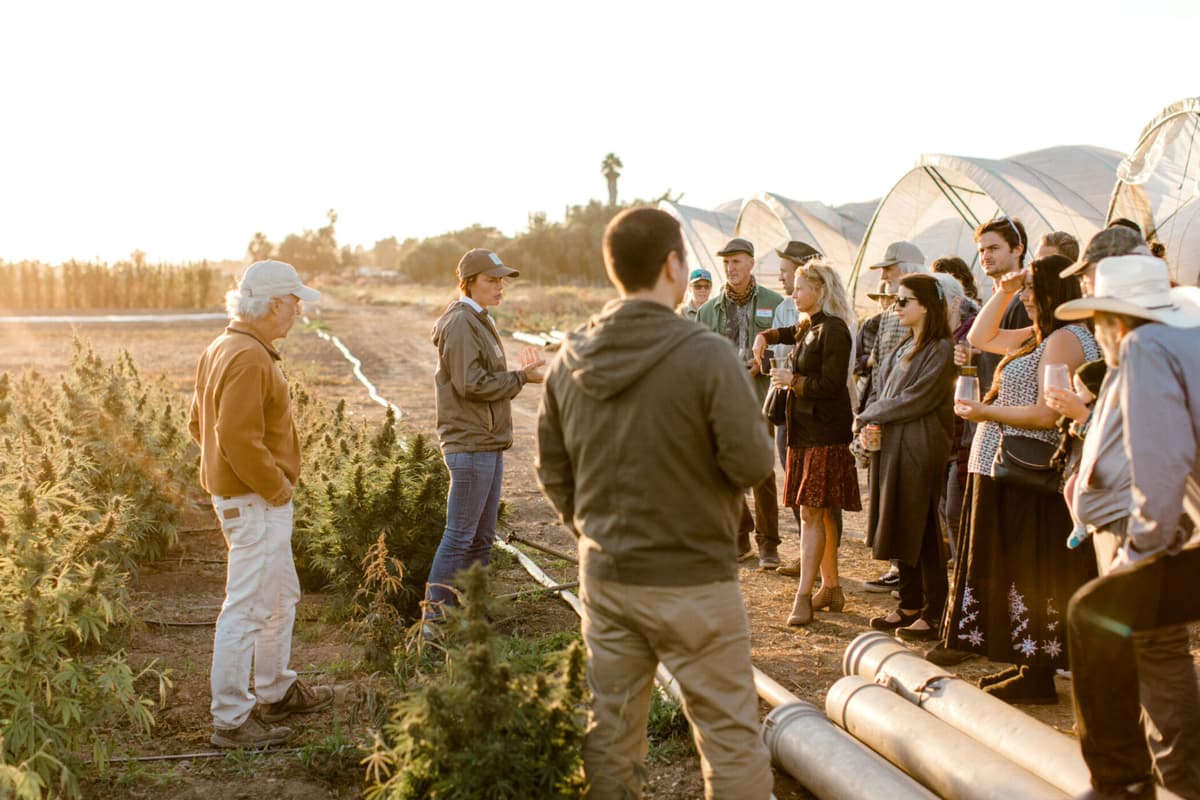
Patagonia & Rodale Institute to Transition an Entire California County to Regenerative Agriculture
Companies Mentioned
Why It Matters
The funding accelerates a large‑scale move away from pesticide‑intensive farming, delivering health, environmental and economic benefits for a key agricultural region. Demonstrating success could provide a replicable blueprint for regenerative transitions across the United States.
Key Takeaways
- •$1.55 M grant fuels Ventura County’s county‑wide regenerative agriculture push.
- •10,000 acres already transitioning; 57 farms in pipeline, 40% underserved.
- •Pesticide detection exceeds 90% in local air; health risks drive change.
- •Rodode Institute provides agronomy, certification, and market‑access support.
- •Goal: convert entire Ventura County to regenerative practices within years.
Pulse Analysis
Regenerative agriculture is gaining traction as a climate‑smart alternative to conventional, chemical‑heavy farming. Patagonia’s Holdfast Collective, a nonprofit arm of the outdoor‑apparel brand, is leveraging its capital and brand influence to fund the Rodale Institute’s Regenerate Ventura effort. By allocating $1.55 million, the partnership seeks to replace synthetic inputs with practices that rebuild soil organic matter, enhance biodiversity, and improve water retention. This approach aligns with broader corporate sustainability goals while addressing the growing consumer demand for responsibly produced food.
Ventura County, a year‑round producer of strawberries, citrus, and vegetables, has long battled high pesticide usage. Recent air‑monitoring data reveal pesticide residues in more than nine out of ten samples, raising concerns for nearby schools and residential areas. The health implications, combined with the rising resistance of pests and diseases to chemicals, make the transition to regenerative methods both a public‑health imperative and an economic opportunity. Rodale’s on‑the‑ground agronomists are helping farmers adopt cover crops, diversified rotations, and organic certification pathways, reducing reliance on harmful sprays while maintaining yields.
If Regenerate Ventura succeeds, it could serve as a template for other high‑output regions facing similar pesticide challenges. The model demonstrates how targeted philanthropy, technical assistance, and market‑access support can de‑risk the adoption of regenerative practices for growers, especially those from underserved communities. Scaling this framework nationally could unlock new premium market channels, lower supply‑chain emissions, and create resilient food systems that meet both investor expectations and climate goals. The initiative underscores a shift where corporate capital is increasingly directed toward systemic agricultural transformation.
Patagonia & Rodale Institute to transition an entire California county to regenerative agriculture
Comments
Want to join the conversation?
Loading comments...