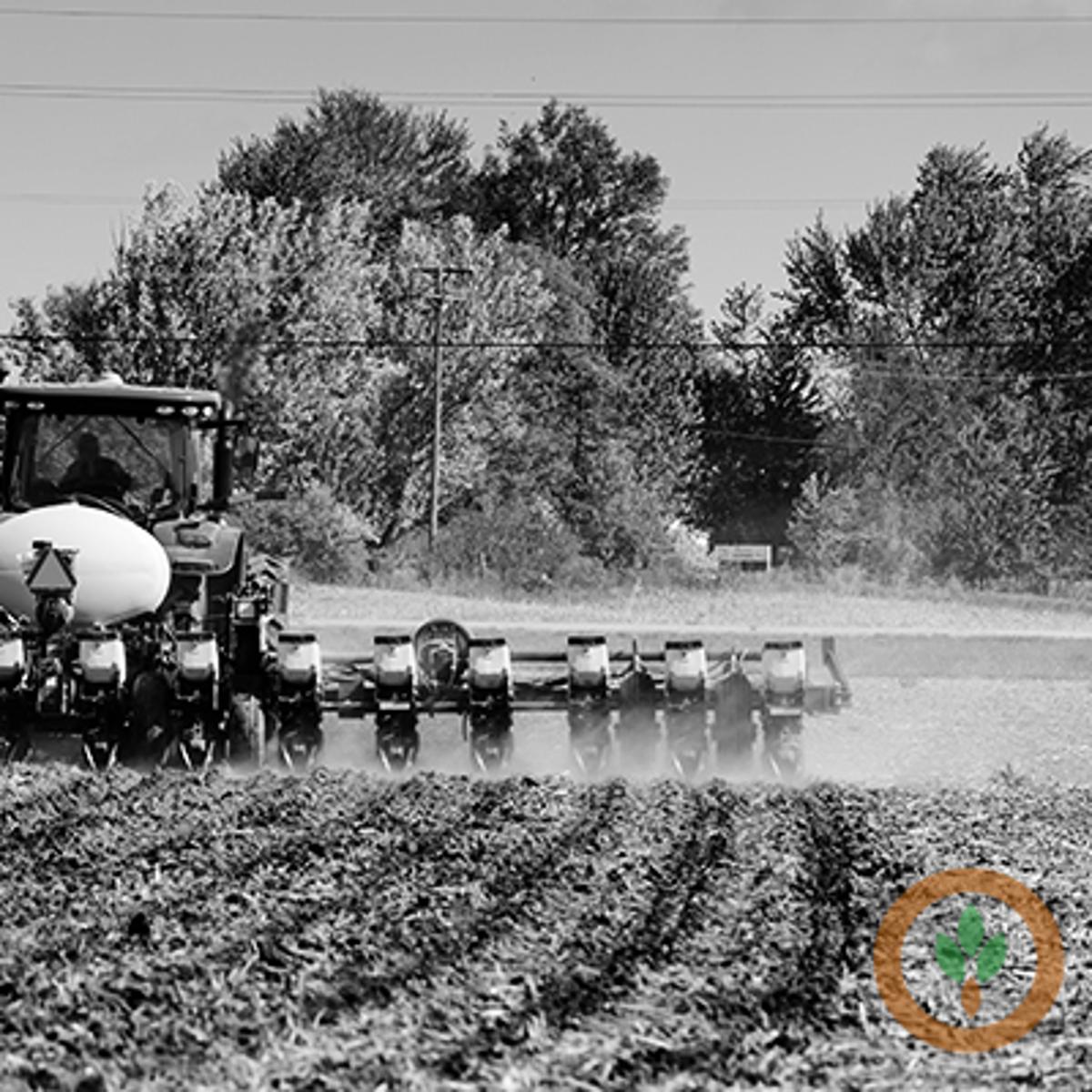
Planting Green Into Cover Crops Is Cutting Input Costs for Central Illinois Farmer
Why It Matters
Planting green demonstrates how regenerative practices can lower farm operating costs and boost sustainability, offering a scalable model for Midwestern producers facing tight margins.
Key Takeaways
- •Planting green reduces seed‑treatment and fertilizer spend
- •Higher rye biomass provides natural weed suppression
- •Practice lessens soil erosion on tilled fields
- •Decade‑long cover‑crop regime improves overall profitability
Pulse Analysis
Cover crops have moved from niche conservation tools to core components of modern Midwestern agronomy. By planting cereal rye into an existing green canopy—a technique known as “planting green”—farmers like Derek Martin create a living mulch that protects soil, retains moisture, and establishes a competitive weed barrier before the main cash crop emerges. This approach dovetails with no‑till and strip‑till systems, allowing equipment to cut through a living stand without the energy costs of conventional tillage, and aligns with USDA recommendations for diversified rotations that enhance soil organic matter.
The financial upside is compelling. Martin reports cutting seed‑treatment and fertilizer applications, which together can represent 10‑15% of a typical corn‑soybean operation’s variable costs. By seeding 30‑45 lb per acre of rye, he achieves a dense mat that suppresses weeds, reducing the need for glyphosate or other herbicides by an estimated 20‑30%. The resulting erosion control also protects field infrastructure and preserves topsoil, translating into long‑term yield stability. For growers grappling with volatile input prices, the modest seed cost of rye—often under $30 per acre—pays for itself within a single season.
The broader implication is a shift toward cost‑effective, climate‑smart farming. As commodity markets tighten and carbon‑credit programs expand, practices that lower chemical footprints while delivering economic returns become attractive to both independent producers and large agribusinesses. State extension services are increasingly promoting planting green as part of conservation compliance, and insurers are recognizing its erosion‑mitigation benefits. If adoption spreads across the Corn Belt, the cumulative input savings could reach billions, while simultaneously advancing soil health and meeting emerging sustainability standards.
Planting green into cover crops is cutting input costs for central Illinois farmer
Comments
Want to join the conversation?
Loading comments...