Prospects for Algae Nutritional Supplementation of Beef Cattle: Your Questions Answered
Why It Matters
The trial demonstrates that a low‑dose algae bio‑stimulant can improve weight gain and potentially lower emissions, offering beef producers a cost‑effective tool for winter feed efficiency and sustainability.
Key Takeaways
- •AlgaeFeed is a concentrated liquid delivered via water troughs.
- •Trial showed supplemented steers gained +0.1 kg/day vs –0.7 kg/day control.
- •Product contains ~50% protein on dry‑matter basis, high omega‑3.
- •University studies report in‑vitro methane reduction of 25%.
- •Low inclusion rate (3‑6 mL per head daily) improves feed efficiency.
Pulse Analysis
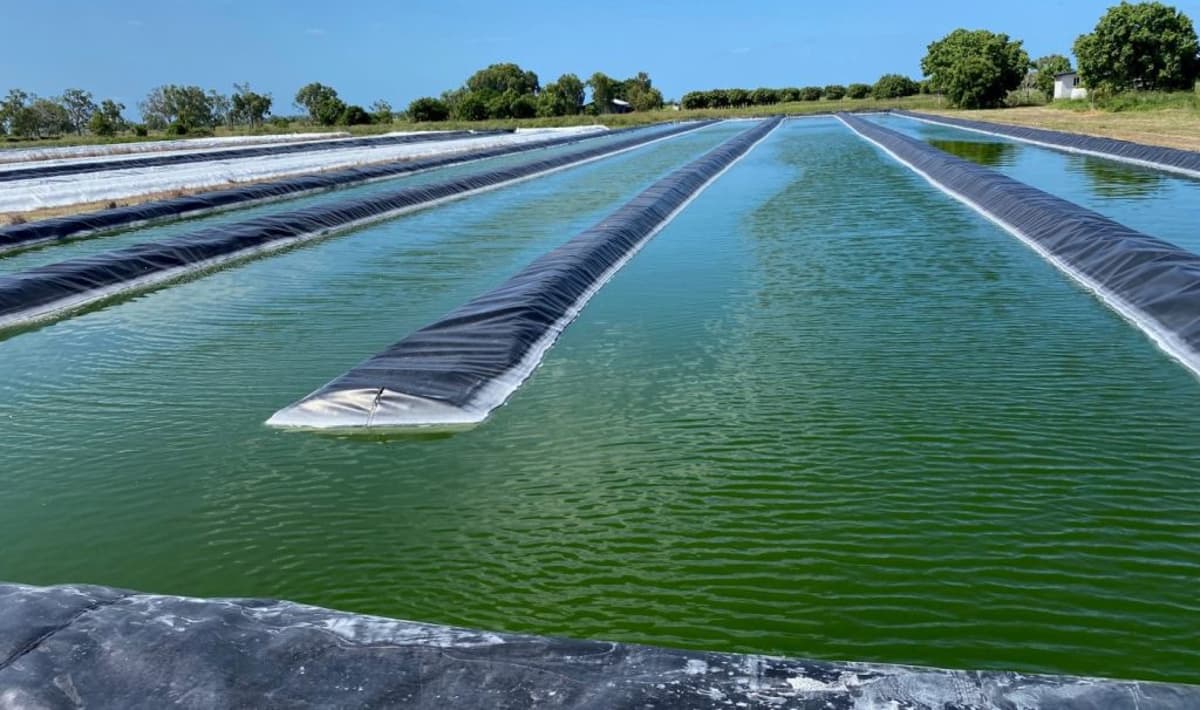
Microalgae have moved from niche bio‑fuel research into mainstream livestock nutrition as producers seek high‑protein, low‑land‑use feed ingredients. Chlorella‑based products such as AlgaeFeed deliver roughly 50 % crude protein, omega‑3 fatty acids, iron, B12 and magnesium, positioning them as a natural bio‑stimulant rather than a bulk energy source. By targeting rumen microbial activity, the supplement promises to unlock nutrients already present in low‑quality pastures, a claim that aligns with growing consumer demand for environmentally responsible beef.
The Queensland field trial monitored 200 steers on Mountain View Grazing’s property from mid‑May to mid‑August 2025 using Optiweigh in‑field scales. Cattle receiving AlgaeFeed gained an average of +0.1 kg per head per day, while the unsupplemented group lost –0.7 kg, delivering a net 0.8 kg/day advantage. Researchers also cited a 25 % in‑vitro reduction in enteric methane, suggesting a dual benefit of productivity and emissions mitigation. The supplement was administered as a 3‑6 mL liquid concentrate through existing water troughs, requiring no feed‑lot modifications.
If the performance gains translate at scale, AlgaeFeed could reshape feed‑cost structures for Australian beef producers, who traditionally allocate a large share of budgets to high‑energy supplements during the dry season. The low inclusion rate keeps material costs modest, while the potential methane credit aligns with emerging carbon‑offset markets. However, adoption hinges on clear dosing guidelines, verification of on‑farm methane reductions, and regulatory acceptance of algae‑derived inputs. As investors watch the sector, further multi‑site trials will be critical to validate efficacy and unlock broader commercial rollout.
Prospects for algae nutritional supplementation of beef cattle: Your questions answered
Comments
Want to join the conversation?
Loading comments...