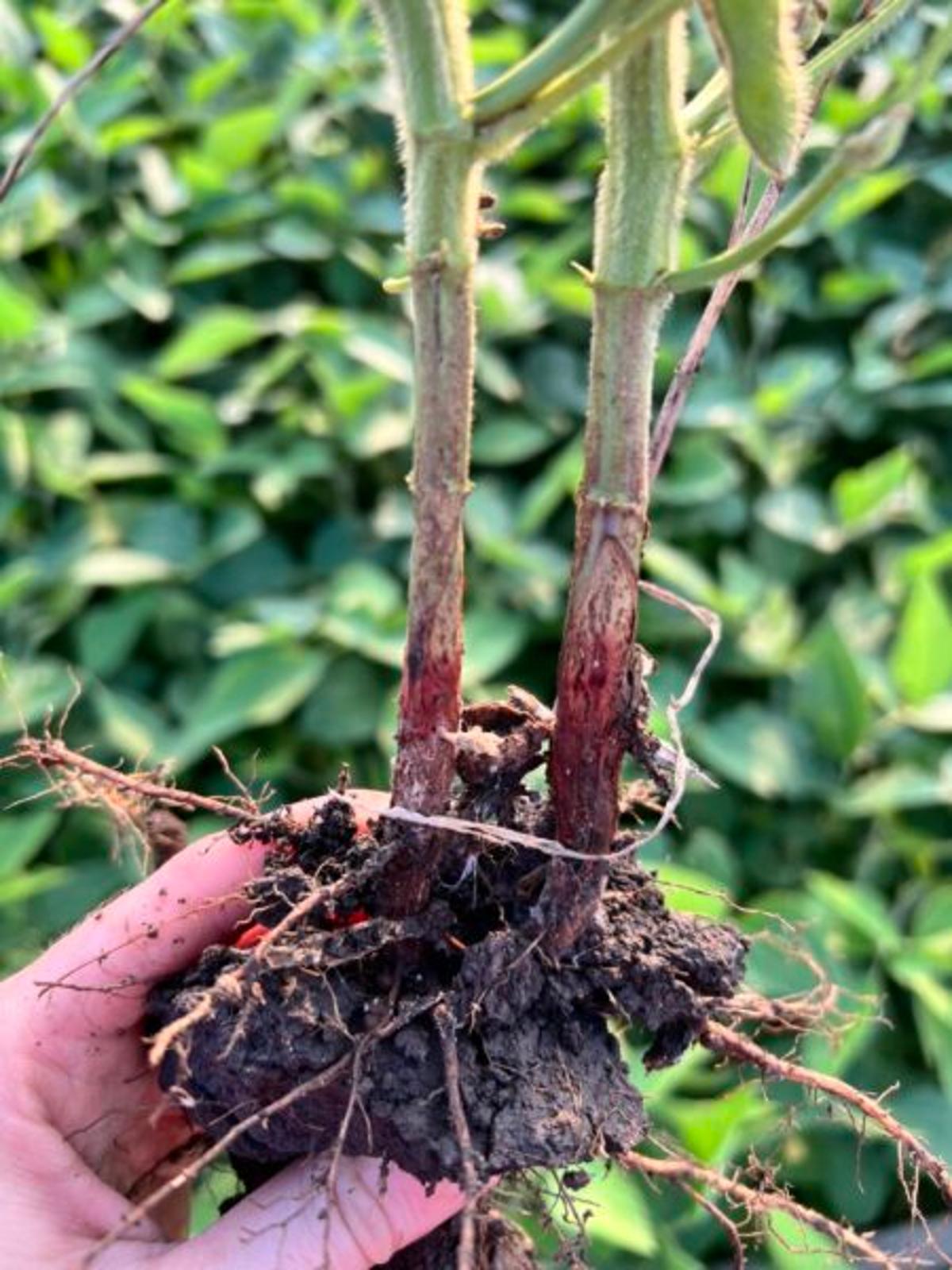
Red Crown Rot Another Challenge for Central Illinois Farmer
Why It Matters
The disease threatens soybean profitability in a key U.S. producing region, prompting rapid adoption of new seed‑treatment solutions and influencing planting decisions. Its spread underscores the need for stronger disease‑resistance research and risk‑management strategies across the grain industry.
Key Takeaways
- •Red crown rot can reduce soybean yields up to 60%
- •Illinois farmer Ken Franklin reports disease emergence over past two seasons
- •Advanced seed treatments are being adopted to combat the pathogen
- •Early planting in cool soils raises infection risk but improves yields
- •Disease management remains critical despite new technologies
Pulse Analysis
Red crown rot, caused by the soil‑borne fungus *Fusarium virguliforme*, has been a growing concern for Midwestern soybean producers. The pathogen thrives in cool, wet soils and can remain dormant for years, making early detection difficult. In Illinois, where soybeans account for a substantial share of agricultural revenue, even modest infection rates can translate into millions of dollars in lost production. Recent climate patterns, featuring cooler spring temperatures and increased precipitation, have created conditions conducive to the disease’s spread, prompting growers to reassess traditional risk models.
In response, farmers like Ken Franklin are turning to next‑generation seed treatments that combine fungicidal and biological agents designed to suppress *Fusarium* infection at germination. While these technologies improve stand‑establishment and modestly boost yields, experts caution they are not a panacea; integrated disease‑management practices remain essential. Early planting, a long‑standing strategy to capture optimal moisture and sunlight, now carries a heightened infection risk. Producers must balance the economic upside of earlier harvests against the potential for red crown rot, often employing soil‑temperature monitoring and adjusted seeding depths to mitigate exposure.
The broader industry impact extends beyond individual farms. As red crown rot threatens a staple commodity, grain processors and exporters monitor disease forecasts to anticipate supply fluctuations. Biotech firms are accelerating research into genetically resistant soybean varieties, and agronomic service providers are expanding diagnostic testing to help growers identify the pathogen before planting. Ultimately, the convergence of climate variability, pathogen adaptation, and market pressures is driving a more proactive, technology‑focused approach to soybean disease management across the United States.
Red crown rot another challenge for central Illinois farmer
Comments
Want to join the conversation?
Loading comments...