Reducing Fertiliser Import Dependence Vital: Jat, Secretary DARE
Why It Matters
Cutting fertiliser imports will conserve foreign exchange, lower production costs and boost the sustainability of Indian agriculture, positioning the country as a global agri‑technology leader.
Key Takeaways
- •India consumes 33 million tonnes fertilizer annually, heavy import reliance.
- •Goal: replace 25% mineral fertilizer with organics in three years.
- •Precision nutrient management, AI, sensors to boost use‑efficiency.
- •Indigenous minerals and by‑products targeted for smart fertilizer development.
- •Mission Mode INSAM programme to drive integrated nutrient supply.
Pulse Analysis
India’s fertilizer market remains one of the world’s largest import‑dependent sectors, with roughly one‑third of the 33 million tonnes used each year sourced from abroad. The financial outflow, estimated at several billion dollars, strains the trade balance and leaves growers vulnerable to global price volatility. By embedding self‑reliance into the Atmanirbhar Bharat 2047 agenda, policymakers are signalling a strategic pivot toward domestic production, resource efficiency and long‑term food security.
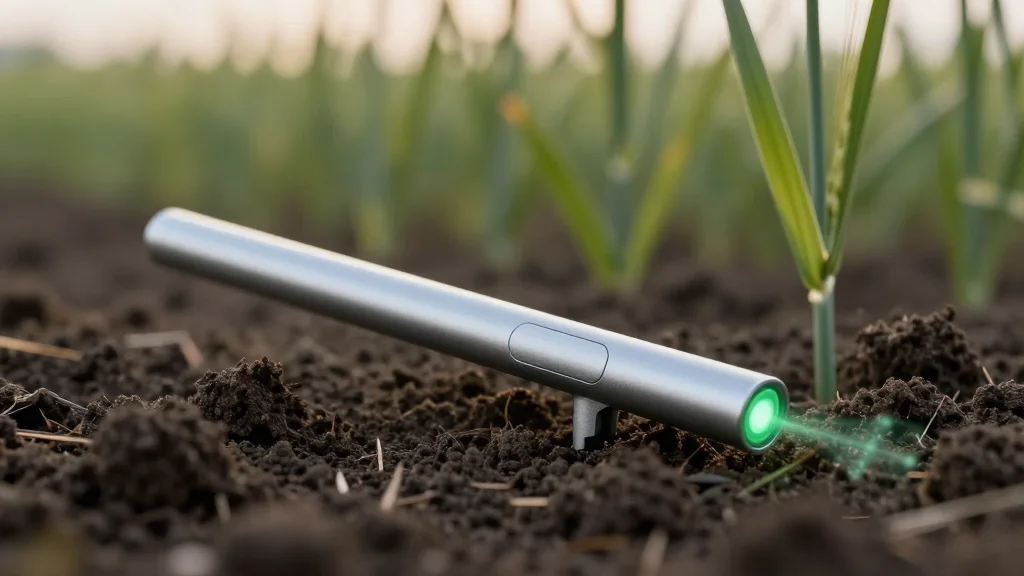
The push for precision agriculture is central to this transition. Advanced tools such as AI‑powered platforms like Bharat VISTaar, sensor networks and satellite‑derived analytics enable real‑time nutrient mapping, ensuring fertilisers are applied only where needed. This not only raises use‑efficiency—potentially cutting waste by up to 30%—but also reduces environmental runoff and greenhouse‑gas emissions. Coupled with farmer training and digital extension services, these technologies promise to modernise India’s agronomic practices without inflating input costs.
Policy-wise, the proposed Integrated Nutrient Supply and Management (INSAM) mission adopts a multi‑pronged approach: scaling organic manure use, tapping under‑utilised indigenous minerals such as glauconite and phosphate rock, and expanding biological inputs that harness the soil microbiome. The three‑year target to substitute a quarter of mineral fertiliser with organics could free billions of dollars in import spend while improving soil health. Successful implementation will hinge on coordinated research, robust supply chains for alternative inputs, and sustained extension outreach to smallholder farmers.
Reducing fertiliser import dependence vital: Jat, Secretary DARE
Comments
Want to join the conversation?
Loading comments...