Why It Matters
The expansion of RCS certification strengthens sustainable cotton supply chains, offering brands verifiable ESG credentials and supporting smallholder livelihoods in two major cotton‑producing regions.
Key Takeaways
- •42,000 smallholders certified under Regenerative Cotton Standard
- •Tanzania certifications grew 88% year‑over‑year
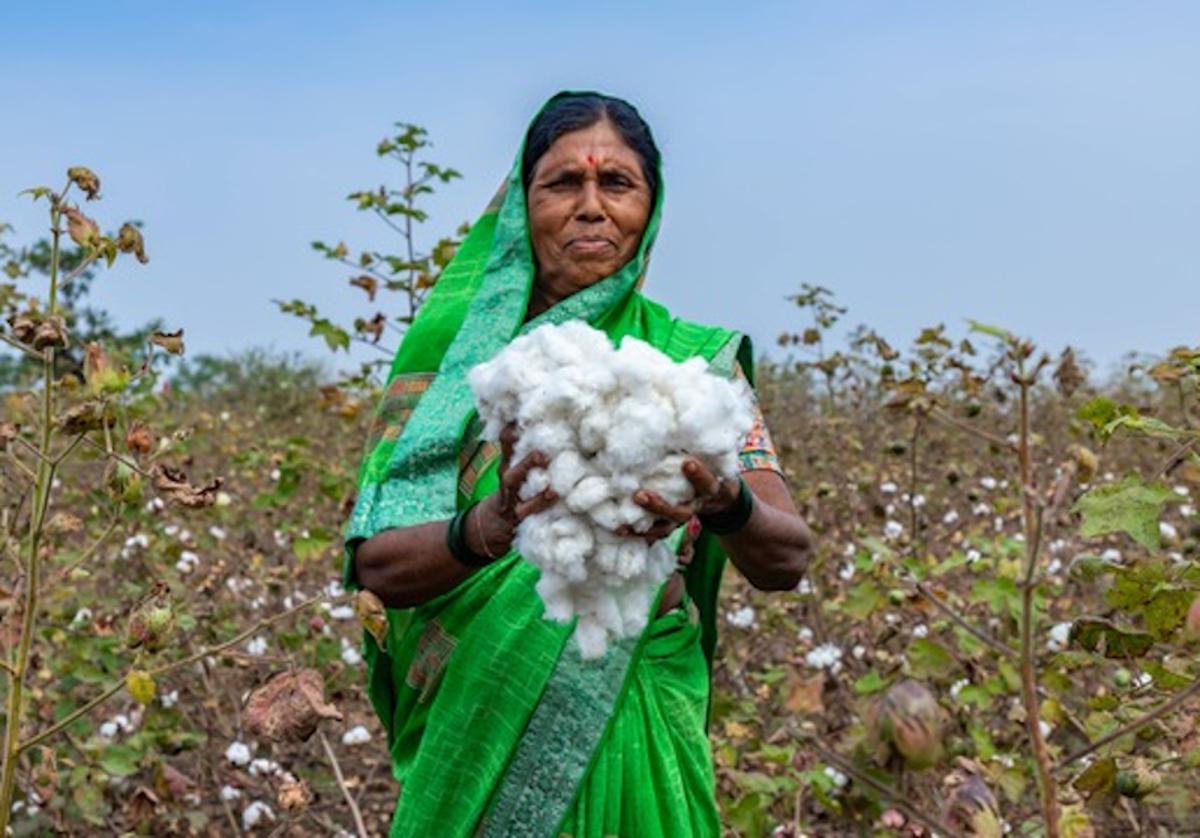
- •5,000 Indian farmers in Maharashtra achieved RCS certification
- •Certified cotton is fully traceable from field to finished product
- •Independent third‑party audits validate compliance and sustainability claims
Pulse Analysis
Regenerative cotton is emerging as a cornerstone of sustainable textile production, marrying soil health improvements with carbon sequestration. By incentivizing practices such as cover cropping, reduced tillage, and integrated pest management, the Regenerative Cotton Standard helps reverse degradation in cotton‑growing regions. The Aid by Trade Foundation’s certification framework not only quantifies these environmental gains but also embeds them in a blockchain‑like tracking system, giving brands a reliable way to verify that their raw material truly meets ESG criteria.
The latest certification wave highlights a dramatic shift in farmer adoption, especially in Tanzania where the number of RCS‑compliant smallholders jumped 88% within a year. In India’s Maharashtra state, 5,000 growers have transitioned to regenerative methods, reflecting growing awareness of market premiums for responsibly sourced cotton. Independent audits confirm that each certified plot delivers traceable cotton, allowing downstream manufacturers to map bales back to individual farms. This transparency reduces risk of green‑washing and opens new revenue streams for farmers who can command higher prices for verified sustainable output.
For the broader textile industry, the surge in certified regenerative cotton offers a tangible pathway to meet tightening ESG mandates and consumer demand for climate‑positive products. Brands can now integrate verified regenerative cotton into their supply chains, bolstering sustainability reports and appealing to ESG‑focused investors. As more retailers pledge zero‑deforestation and carbon‑neutral goals, the momentum generated by AbTF’s certification could accelerate a global transition toward regenerative agriculture, reshaping cotton markets and delivering long‑term economic resilience for smallholder communities.
Regen cotton farmers surge in India, Tanzania
Comments
Want to join the conversation?
Loading comments...