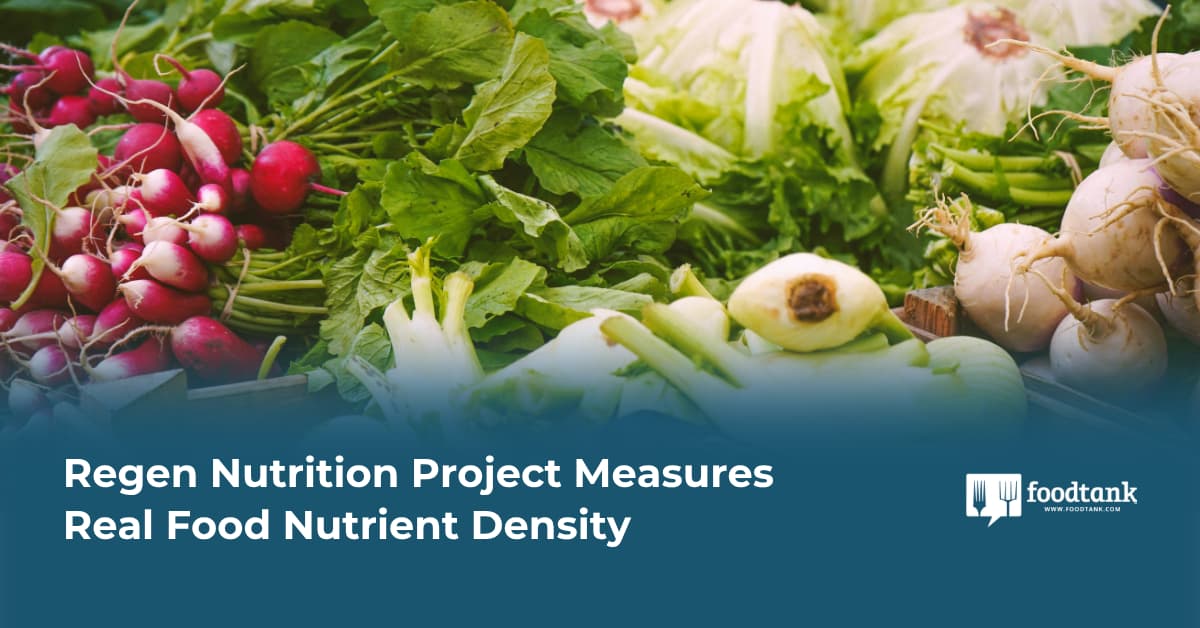
Regen Nutrition Project Measures Real Food Nutrient Density
Why It Matters
Demonstrating measurable nutrient gains gives regenerative producers credible data to differentiate their products, influencing consumer choices and potentially shaping policy incentives for sustainable agriculture.
Key Takeaways
- •Regenerative samples show lower fat and higher protein than conventional
- •Omega‑6 to Omega‑3 ratio improves in regenerative crops
- •No heavy metals detected in regenerative food samples
- •Nutrient Density Data Explorer visualizes comparative nutrient profiles
- •Project aims to inform farmers, brands, and policymakers
Pulse Analysis
In the past half‑century, the nutrient density of staple produce such as apples, oranges, tomatoes and potatoes has slipped by 25‑50 %, a trend linked to soil degradation and the accelerating climate crisis. Scientists warn that declining micronutrients could exacerbate public‑health challenges, especially as the global population seeks healthier diets. Regenerative agriculture—practices that rebuild soil organic matter, increase biodiversity and reduce synthetic inputs—offers a pathway to reverse this erosion, but until now the industry has lacked hard data to prove its nutritional benefits.
The Nutrient Density Initiative and Edacious have filled that gap with the Regen Nutrition Project. By inviting more than 50 member growers and food brands to submit samples for laboratory analysis, the program creates a side‑by‑side comparison of regenerative versus conventional crops. Early data reveal that regenerative samples consistently contain lower total fat, a more favorable omega‑6 to omega‑3 ratio, higher protein levels and an absence of heavy metals. All results are accessible through the open‑source Nutrient Density Data Explorer, a dashboard that lets farmers, researchers and policymakers track variability and spot emerging trends.
These findings give regenerative producers a tangible selling point, allowing them to back marketing claims with independent lab results and to negotiate premium pricing with retailers, institutional buyers and food‑as‑medicine programs. For investors and policymakers, the data provide a metric to evaluate the return on subsidies aimed at soil health and carbon sequestration. As consumer demand for transparent, health‑focused foods grows, the project’s expansion to grains and fresh produce could reshape supply‑chain standards and accelerate the adoption of climate‑smart farming across the United States.
Regen Nutrition Project Measures Real Food Nutrient Density
Comments
Want to join the conversation?
Loading comments...