Smart Farming Powers UAE’s Push Towards Food Resilience, Local Output
Why It Matters
By localizing high-value crop production, the UAE reduces import vulnerability and creates a replicable model for arid regions seeking food security.
Key Takeaways
- •Armela Farms integrates hydroponics, AI climate control, and robotics.
- •Precision fertigation reduces water use by up to 70% in arid zones.
- •UAE's Make it in the Emirates drives local agri‑tech investment.
- •Controlled‑environment farms boost crop yields 2‑3× compared to field farming.
- •Automation enhances predictability, lowering reliance on food imports.
Pulse Analysis
The United Arab Emirates imports roughly 90% of its food, a vulnerability that has intensified as global supply chains face climate shocks and geopolitical tensions. To counter this, the government has placed agricultural self‑sufficiency at the heart of its diversification strategy, launching initiatives such as Make it in the Emirates. Smart farming offers a rapid pathway to bridge the import gap, leveraging data‑rich environments that can be scaled within the country’s limited arable land. This strategic pivot not only safeguards national food security but also aligns with broader sustainability goals.
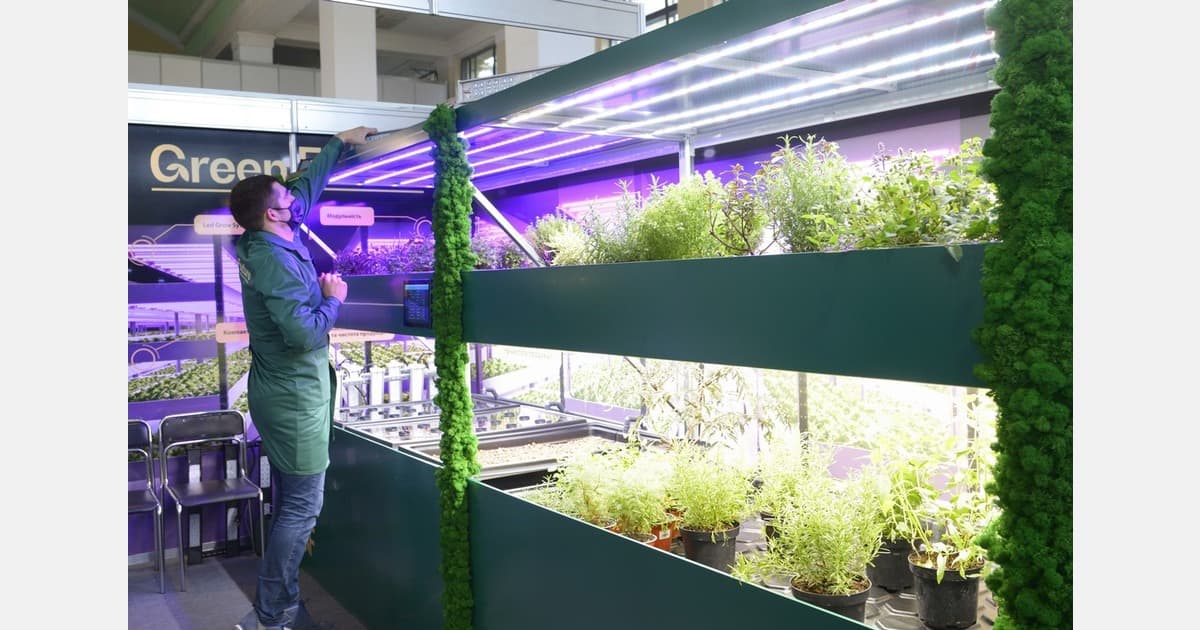
Armela Farms exemplifies the technology stack driving this transformation. Its hydroponic facilities combine AI‑controlled climate systems, sensor networks, and robotic arms that monitor plant health in real time. Precision fertigation delivers nutrients directly to roots, cutting water consumption by up to 70%—a critical advantage in the UAE’s desert climate. Data‑driven operational management enables growers to predict yields, adjust inputs instantly, and replicate optimal conditions across multiple modules, resulting in harvests that are two to three times more productive than traditional field farming.
The momentum behind smart agriculture is attracting both public and private capital, with the Make it in the Emirates program offering grants, tax incentives, and streamlined licensing for agri‑tech ventures. As production scales, the UAE can begin exporting surplus specialty crops, creating new revenue streams and positioning itself as a regional hub for sustainable food technology. Continued investment in AI, robotics, and renewable energy integration will further lower operating costs, making high‑value, locally grown produce competitive against imported alternatives.
Smart farming powers UAE’s push towards food resilience, local output
Comments
Want to join the conversation?
Loading comments...