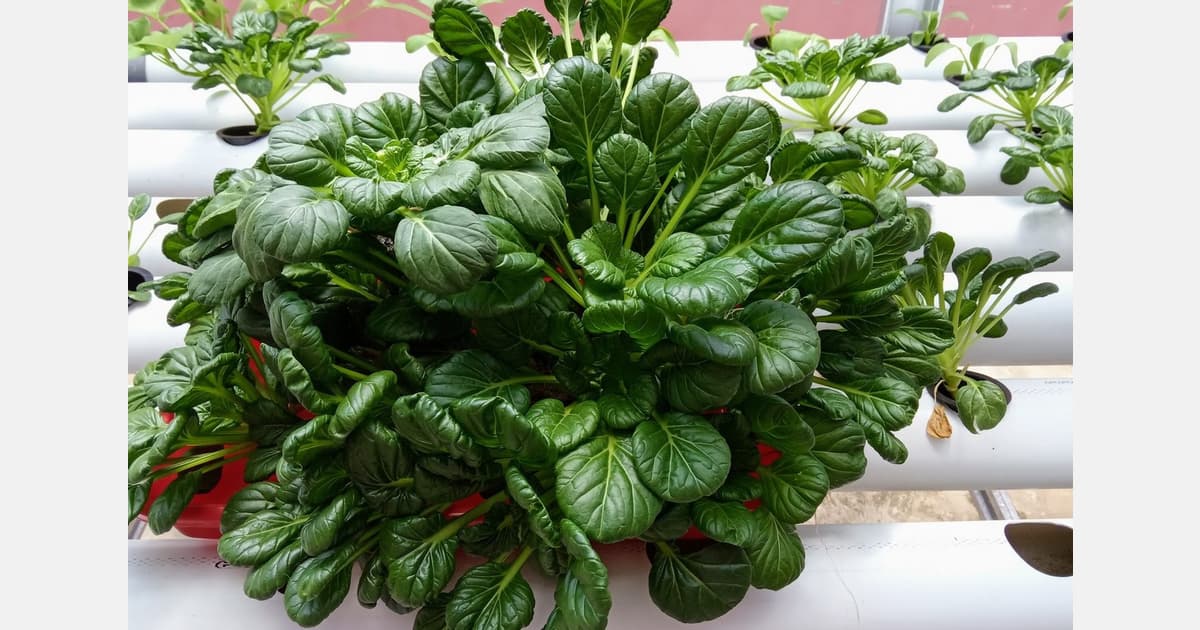
South Africa: Following a Father's Footsteps Into Hydroponics
Why It Matters
Low‑cost vertical farming proves scalable in dense urban areas, offering a pragmatic solution to food insecurity and new economic opportunities in South Africa’s informal settlements.
Key Takeaways
- •Vertical farm CAPEX as low as €650 ($710) per sqm
- •500‑sqm hydroponic setup yields commercial‑grade produce in Soweto
- •Urban hydroponics offers scalable solution to South Africa’s food‑security challenges
- •Young agritech entrepreneurs repurpose limited land for high‑value crops
- •Training and micro‑financing accelerate adoption in informal settlements
Pulse Analysis
Urban agriculture is gaining traction across Africa as cities grapple with limited arable land and rising food prices. Hydroponic and vertical‑farm systems, which grow crops without soil and stack production layers, promise higher yields per square metre while conserving water. In South Africa, where logistics and distribution bottlenecks inflate grocery costs, these technologies can shorten supply chains and deliver fresher produce directly to consumers in townships and city centers.
Katiso Nkoanyane’s backyard operation exemplifies how modest capital can unlock commercial‑grade output. With an initial outlay of roughly $710 per square metre—a fraction of traditional greenhouse costs—he installed LED lighting, nutrient‑film technique channels, and climate‑control sensors across 500 sqm. The system now produces leafy greens and herbs year‑round, generating revenue that rivals conventional farms occupying several hectares. By automating nutrient delivery and monitoring plant health through a mobile app, Nkoanyane reduces labor intensity and maximizes space efficiency, proving that agritech can be both affordable and profitable for small‑scale entrepreneurs.
The broader implication for investors and policymakers is clear: supporting low‑cost hydroponic ventures can catalyze a new wave of urban food production, create jobs, and improve nutritional outcomes. Targeted micro‑financing, technical training, and streamlined regulatory pathways will accelerate adoption in informal settlements, where land scarcity is acute. As South Africa’s government prioritizes food‑security initiatives, scaling models like Nkoanyane’s could become a cornerstone of a resilient, locally sourced food system, attracting both domestic and foreign capital to the agritech sector.
South Africa: Following a father's footsteps into hydroponics
Comments
Want to join the conversation?
Loading comments...