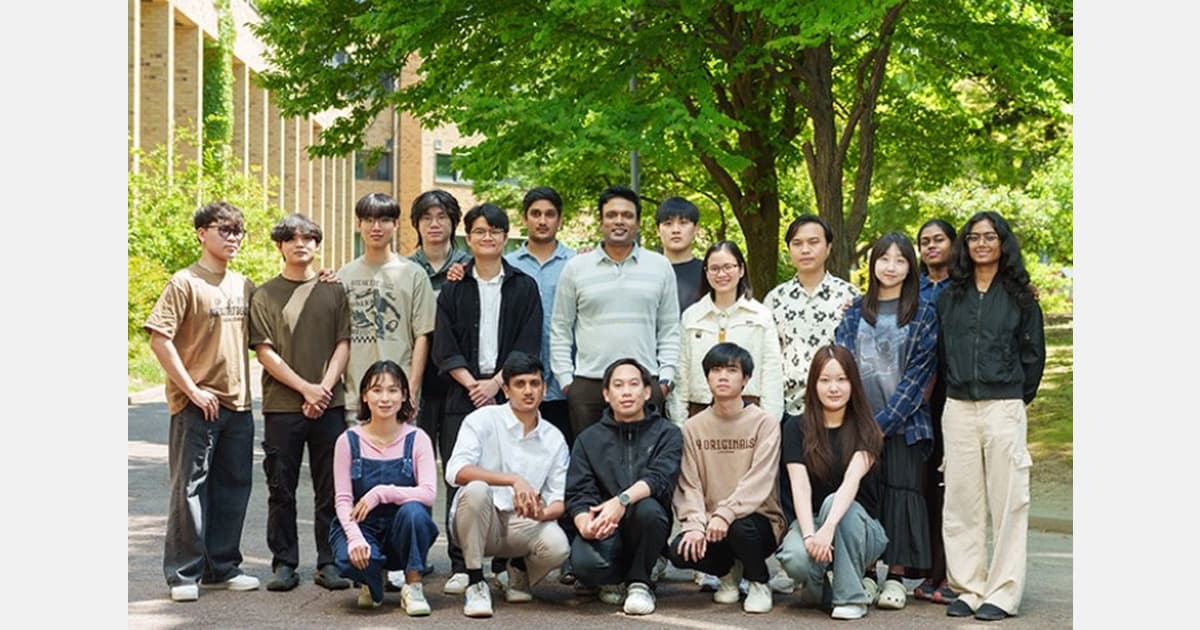
South Korea: University Research Team Unveils AI Model to Predict Virulence of Tomato Yellow Leaf Curl Virus
Why It Matters
Accurate early prediction of TYLCV severity can protect global tomato yields and guide breeding programs, reducing costly outbreaks and supply‑chain disruptions.
Key Takeaways
- •DeepTYLCV predicts TYLCV virulence using genome sequences, not symptoms.
- •Model achieved 100% concordance with experimental infection assays on 15 isolates.
- •Hybrid transformer‑CNN architecture captures global patterns and local virulence motifs.
- •Enables early, scalable surveillance for emerging severe TYLCV strains worldwide.
- •Supports precision agriculture and resistance‑breeding by identifying high‑risk variants.
Pulse Analysis
Tomato Yellow Leaf Curl Virus remains one of the most destructive pathogens in horticulture, routinely slashing yields by up to 80% when virulent strains dominate. Traditional field scouting relies on visual symptoms that appear only after infection has taken hold, while image‑based AI tools struggle with environmental variability. Consequently, growers and breeders lack a proactive, data‑driven early warning system, leaving supply chains vulnerable to sudden outbreaks and limiting the effectiveness of resistance‑gene deployment.
DeepTYLCV addresses these gaps by translating raw viral genome data into actionable virulence forecasts. The model fuses protein‑language‑model embeddings with a transformer encoder and a multi‑scale convolutional neural network, allowing it to detect both overarching sequence trends and localized motifs linked to pathogenicity. Compared with the 2023 IML‑TYLCV predictor, which was trained primarily on Korean isolates, DeepTYLCV demonstrates broader applicability across global strains and achieved perfect alignment with laboratory infection results in a blind validation of 15 isolates. This performance underscores the value of integrating deep learning with domain‑specific feature engineering in plant pathology.
For the agricultural sector, the implications are immediate. Early identification of high‑risk TYLCV variants enables growers to implement targeted quarantine measures, adjust crop rotations, and prioritize resistant cultivars before losses materialize. Breeders can also feed virulence predictions into marker‑assisted selection pipelines, accelerating the development of durable resistance. Beyond tomatoes, the DeepTYLCV framework exemplifies how AI‑enhanced genomics can become a cornerstone of precision agriculture, offering a template for tackling other emerging plant viruses with similar economic stakes.
South Korea: University research team unveils AI model to predict virulence of Tomato Yellow Leaf Curl Virus
Comments
Want to join the conversation?
Loading comments...