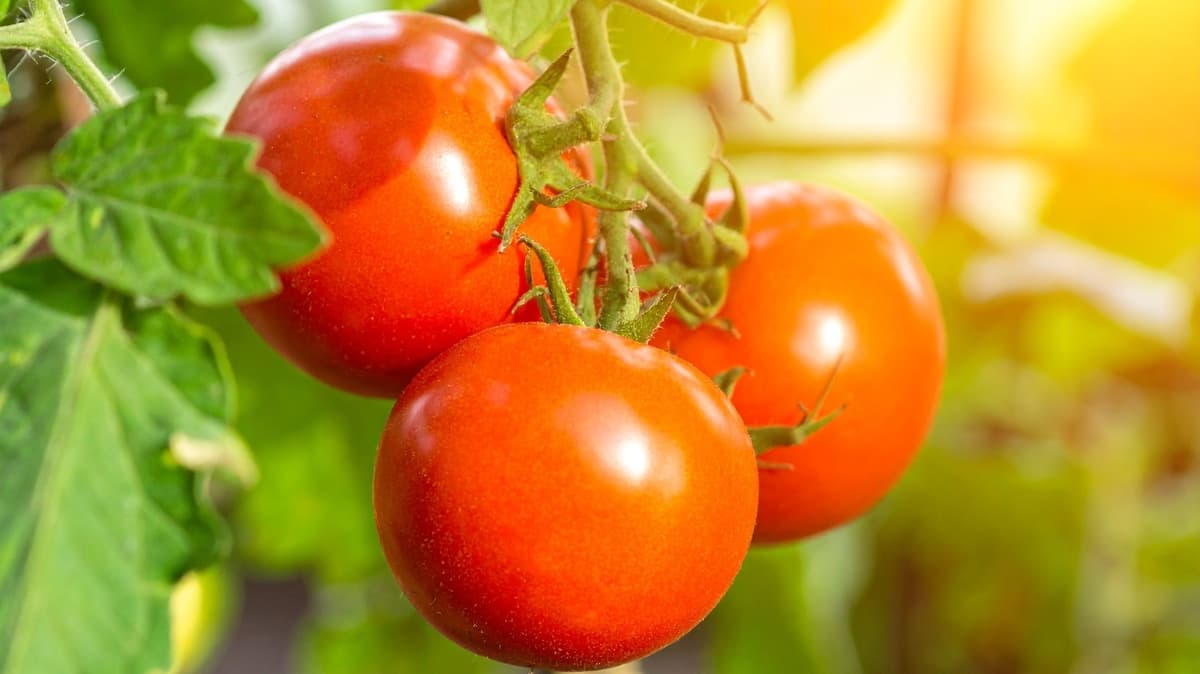
The Best Kinds Of Tomatoes To Grow If You Live In A Hot Climate
Why It Matters
Selecting the right tomato varieties and management techniques lets gardeners in warm regions sustain yields, supporting home‑grown food supply and reducing dependence on imported produce.
Key Takeaways
- •Determinate tomatoes fruit quickly, avoiding peak summer heat
- •Indeterminate cherry and grape varieties tolerate heat with faster fruit set
- •Hybrids like Candy Bell and Daytona are bred for high‑temperature resilience
- •Deep morning watering and mulch keep soil cool in hot climates
- •Shade cloth can prevent heat stress during extreme temperature spikes
Pulse Analysis
Heat stress is a growing concern for home gardeners as rising summer temperatures interfere with tomato flower pollination, leading to reduced fruit set. The physiological response—pollen that fails to release—means growers must prioritize varieties that can either complete their fruiting cycle before the hottest weeks or develop fruit rapidly under stress. Understanding the distinction between determinate and indeterminate tomatoes becomes crucial: determinate bushes concentrate production early, while indeterminate vines spread harvest over a longer period, offering flexibility in timing and yield.
For growers in hot zones, the market now offers a suite of cultivars designed for resilience. Classic determinate options such as Roma, Bush Early Girl, and Homestead deliver reliable yields, while indeterminate cherry and grape types like Cherry Blast and Better Bush provide a steady stream of smaller fruits that mature faster. Hybrid lines—Candy Bell, Daytona, and Fantastico—combine disease resistance with heat tolerance, making them ideal for container gardening where soil temperature can spike. These selections empower both suburban hobbyists and urban rooftop growers to maintain productive tomato crops despite climate challenges.
Beyond variety choice, cultural practices amplify success. Deep, early‑morning watering three times weekly ensures roots stay moist without encouraging fungal growth. A thick mulch layer of straw or shredded leaves acts as a thermal buffer, preserving soil moisture. Applying balanced fertilizer at flowering supports fruit development, while timely harvesting at 40% color change encourages continued production. In extreme heat, shade cloths provide a simple, cost‑effective shield, reducing leaf temperature and preventing flower drop. Together, these strategies enable sustainable, high‑yield tomato gardening in hot climates, aligning with the broader trend toward localized food production.
The Best Kinds Of Tomatoes To Grow If You Live In A Hot Climate
Comments
Want to join the conversation?
Loading comments...