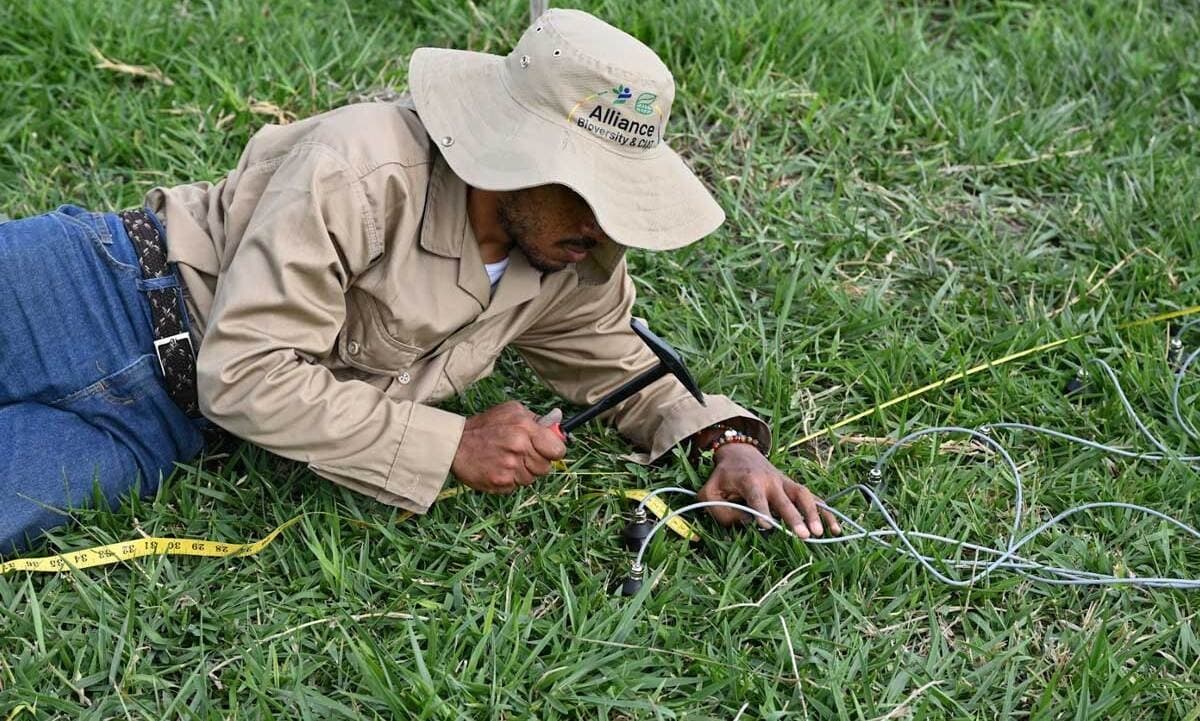
The Editor's Post: Digging Deep Into Soil Health and Regenerative Farming
Companies Mentioned
Why It Matters
By improving soil health and farmer incomes, Nuup demonstrates a scalable pathway for climate‑smart agriculture that can attract impact capital and influence policy in emerging markets.
Key Takeaways
- •Nuup links Mexican smallholders to markets, input suppliers, and financiers
- •Regenerative techniques improve soil carbon and boost yields within a season
- •Farmers report 20% income rise after adopting Nuup’s practices
- •Model aims for replication across Latin America’s smallholder sectors
Pulse Analysis
Regenerative agriculture has moved from niche experimentation to a cornerstone of climate‑resilient food systems, especially in regions where smallholder farms dominate production. In Mexico, fragmented landholdings, limited access to credit, and declining soil fertility have constrained productivity and earnings. Restoring soil organic matter through cover crops, reduced tillage, and compost not only sequesters carbon but also enhances water retention, making farms more resilient to droughts that are becoming more frequent under climate change.
Nuup’s approach tackles these challenges by creating a digital and logistical hub that connects farmers with input providers, buyers, and impact investors. The enterprise offers hands‑on training, data‑driven field monitoring, and micro‑financing options tailored to the cash‑flow cycles of smallholders. Early pilots show that adopting Nuup’s regenerative protocols can lift yields by up to 15 percent and raise household income by roughly 20 percent within a single growing season. By aggregating production, the platform also improves bargaining power, enabling farmers to secure better prices and enter higher‑value supply chains such as organic and fair‑trade markets.
The broader significance lies in the model’s replicability. As governments and development agencies seek cost‑effective ways to meet emissions targets and rural development goals, Nuup provides a template that blends technology, finance, and agronomic expertise. Scaling this ecosystem could attract additional catalytic capital, spur policy incentives for soil health, and inspire similar ventures across Latin America and beyond. For investors, the convergence of climate impact and measurable income gains presents a compelling case for expanding the portfolio of climate‑smart agriculture investments.
The Editor's Post: Digging deep into soil health and regenerative farming
Comments
Want to join the conversation?
Loading comments...