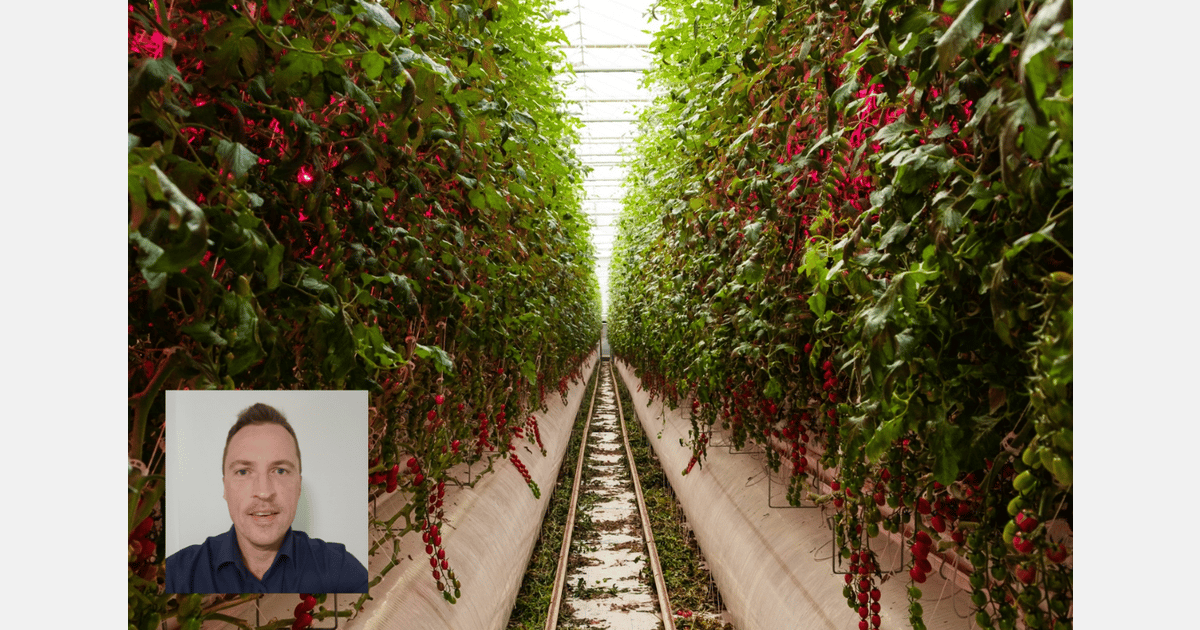
"The Industry Has Moved on From 'Is This Possible?' To 'Does This Actually Pay?'"
Why It Matters
Indoor agriculture is moving from experimental pilots to commercial scale, making cost‑effectiveness and integration critical for investors and policymakers. The conference aggregates the latest data, technology and policy insights needed to accelerate that transition.
Key Takeaways
- •CEAIF 2026 runs May 1‑22 with 30+ sessions.
- •Focus shifts to profitability and scale of indoor farms.
- •Fischer Farms showcases 25,000 m² renewable‑powered vertical farm design.
- •Autonomous monitoring platforms aim to turn data into actionable decisions.
- •Water recycling and CO₂ sourcing sessions address sustainability and cost.
Pulse Analysis
The indoor farming sector has entered a decisive phase where economic viability outweighs curiosity. Stakeholders now demand hard data on yields per kilowatt, capital expenditures, and return on investment. CEAIF 2026 reflects that reality, gathering growers, technology firms and regulators to dissect the financial mechanics of vertical agriculture. By spotlighting real‑world projects rather than theoretical models, the event provides a roadmap for investors seeking credible pathways to scale.
Scalability is the centerpiece of several sessions, with Fischer Farms presenting a 25,000 m² facility designed for 100 % renewable power. Their approach illustrates how automation—from seeding to harvest—can compress labor costs and improve consistency. KUBO’s analysis underscores the necessity of aligning energy strategy, crop selection and hardware at the design stage, while Growy demonstrates dynamic grow recipes that cut energy per kilogram by tailoring light and climate to each growth phase. These case studies illustrate that profitability hinges on system integration, policy support and flexible operational models.
Beyond hardware, the conference tackles intelligence and sustainability. Ecobloom’s agronomic reasoning platform and Corvus Drones’ AI‑driven phenotyping shift data collection toward actionable farm management, reducing reliance on manual monitoring. Water‑focused sessions from LettUs Grow and Innovation Agritech Group explore closed‑loop irrigation, a critical factor in regions where water scarcity drives costs. Finally, discussions on non‑fossil CO₂ sources and emerging food‑safety regulations highlight the complex trade‑offs between environmental goals and energy consumption. By fostering cross‑disciplinary dialogue, CEAIF 2026 equips participants with the insights needed to turn indoor farming into a financially sustainable, climate‑smart industry.
"The industry has moved on from 'is this possible?' to 'does this actually pay?'"
Comments
Want to join the conversation?
Loading comments...