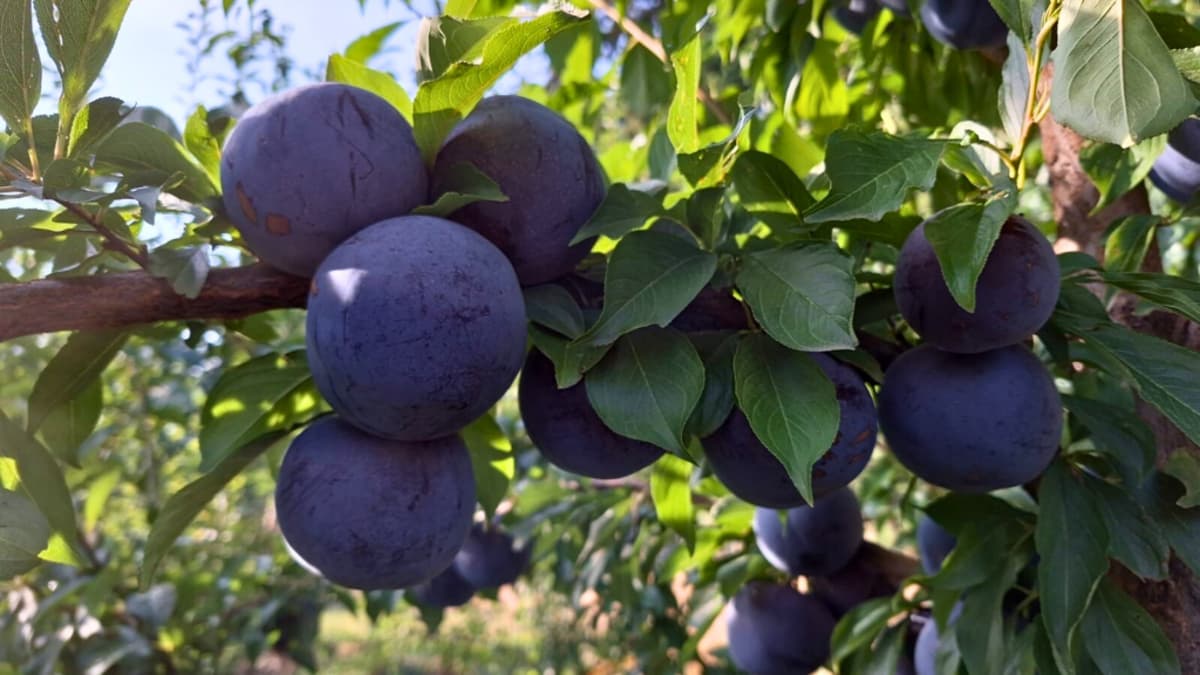
The “Plum Club” Seeking to Revolutionize the Stone Fruit Market
Companies Mentioned
Why It Matters
The collaborative model mitigates market concentration risk while delivering superior‑quality fruit that can command higher prices, reshaping the global stone‑fruit supply chain.
Key Takeaways
- •BabyPlum Club unites eight top Chilean stone‑fruit exporters
- •Program offers 16 varieties with high sweetness and crisp texture
- •Consumer‑centric breeding targets premium markets worldwide
- •Club model spreads risk and expands global distribution channels
- •Hortifrut Genetics coordinates standards and brand positioning internationally
Pulse Analysis
The stone‑fruit sector is undergoing a premiumization wave as shoppers in the United States, Europe and Asia increasingly demand flavor‑forward, ready‑to‑eat produce. Traditional breeding programs have prioritized yield and harvest windows, but the rise of high‑income consumers willing to pay more for sensory excellence is forcing growers to rethink variety development. This shift mirrors broader trends in fresh‑produce where taste, texture and shelf‑life dictate price premiums. Companies that embed consumer insights into genetics can capture differentiated market segments and protect margins against commodity price pressure.
Hortifrut Genetics’ BabyPlum Club translates that consumer‑first philosophy into a collaborative business structure. Eight of Chile’s largest stone‑fruit exporters—Agrovic, Baika, Copefrut, Garcés Fruit, Gesex, IMG, Lafrut and Sutil—have signed on to co‑develop, license and market 16 new plum varieties. The club’s governance includes regular board meetings, shared technology transfer, and a unified brand strategy overseen by Hortifrut. By pooling logistics, research and market intelligence, the partners spread export‑market risk, especially after the cherry industry’s over‑reliance on China exposed vulnerabilities.
The coordinated approach positions BabyPlum to command premium price points in key overseas markets, where consumers are already gravitating toward sweeter, crisper fruit. Exporters benefit from reduced entry barriers, as the club handles import permits and quality standards, enabling faster shelf‑life preservation during long hauls. Analysts see the model as a template for other Latin American fruit sectors seeking to diversify beyond a handful of buyers. If adoption scales, the BabyPlum Club could lift Chile’s stone‑fruit export value by double‑digit percentages within the next three years.
The “Plum Club” seeking to revolutionize the stone fruit market
Comments
Want to join the conversation?
Loading comments...