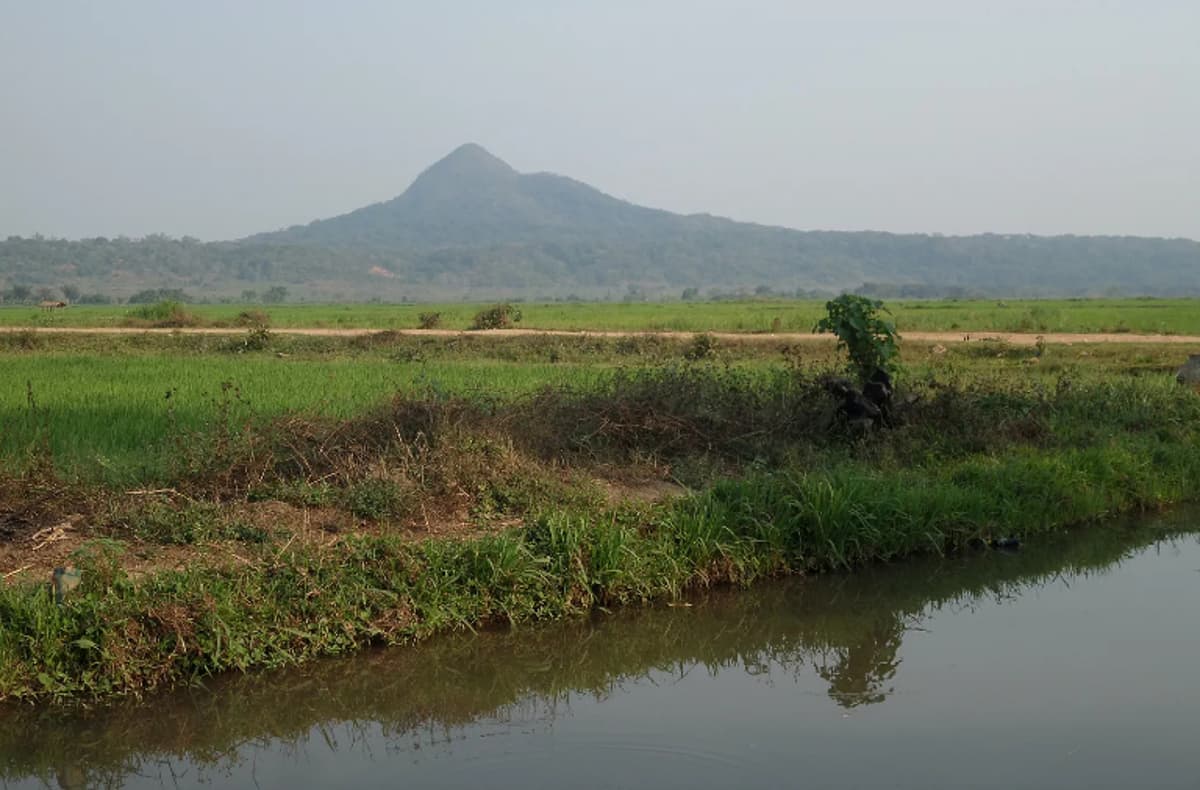
The Restorative Promise of Agroecology: Farming for Sovereignty and Resilience in Malawi
Key Takeaways
- •EARTH Workshops provide weekly agroecology training in Nkhata Bay villages
- •Villagers sell fruit‑tree seedlings for $1.70 each, earning $195 total
- •Mbeya fertilizer uses urine, manure and ash, cutting synthetic fertilizer costs
- •Boxed furrows and mulch conserve water, increasing yields on degraded soils
Pulse Analysis
Agroecology is emerging as a pragmatic answer to Malawi’s chronic food‑security challenges. By treating farms as living ecosystems, initiatives like EARTH Workshops empower villagers to recycle waste—milk cartons, urine, animal manure—into nutrient‑rich compost and low‑cost fertilizer. The resulting Mbeya product not only slashes dependence on expensive imported chemicals but also creates a circular economy where every household contributes to soil regeneration. This bottom‑up approach aligns with global calls for climate‑smart agriculture, delivering tangible economic benefits such as the $195 earned from a modest tree‑seedling nursery in Chombe.
The technical methods promoted—boxed furrows that capture runoff, mulching to retain moisture, and intercropping diverse species—directly address Malawi’s vulnerability to erratic rainfall and drought. Diversified cropping systems, including sorghum, finger millet, legumes, and vegetables, provide a safety net when staple maize fails, while also improving dietary diversity. Research shows that such practices can raise yields by up to 30 percent on marginal lands, offering smallholders a more reliable income stream and reducing the risk of food shortages during climate shocks.
Beyond agronomic gains, agroecology reinforces social equity and local autonomy. Training sessions are community‑led, respecting indigenous knowledge and fostering collective decision‑making. By keeping inputs and profits within villages, projects like EARTH Workshops diminish the influence of multinational agribusinesses and promote food sovereignty—people’s right to culturally appropriate, sustainably produced food. As climate change intensifies, scaling these resilient, farmer‑first models could reshape agricultural policy across sub‑Saharan Africa, positioning Malawi as a showcase for sustainable development.
The restorative promise of agroecology: Farming for sovereignty and resilience in Malawi
Comments
Want to join the conversation?