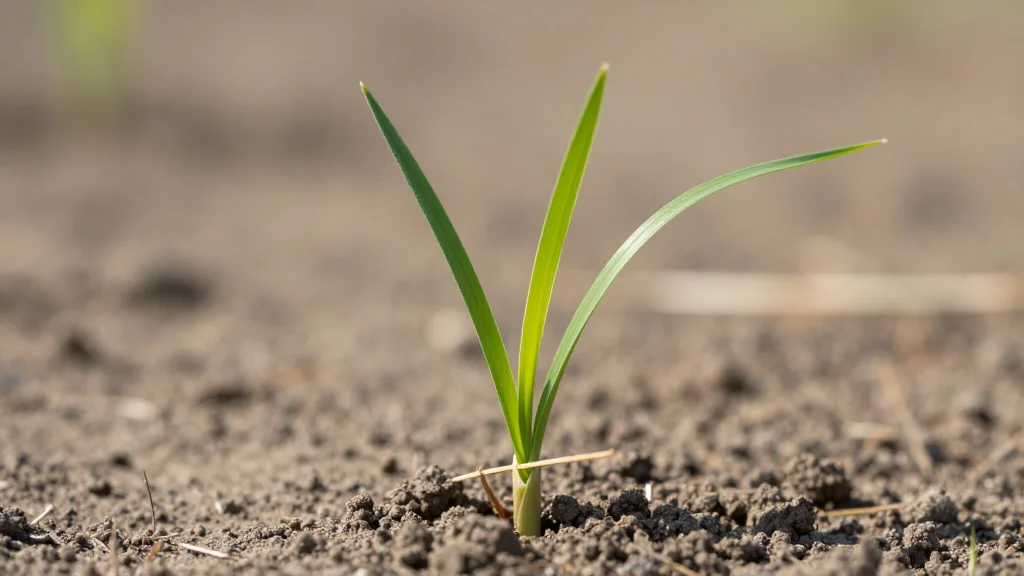
The Seeds of Tropical Fodder Grass Development
Key Takeaways
- •BNH yields 200–300 tonnes per hectare, outpacing most forages
- •High protein (8–14%) and digestibility when harvested early
- •Sterile hybrids require vegetative propagation, limiting seed supply chains
- •Seed‑propagated lines reduce transport costs but may lower biomass yield
- •ICRISAT leads trials to commercialize fertile BNH varieties for dairy farms
Pulse Analysis
Bajra–Napier Hybrids have emerged as a game‑changer for tropical livestock feed, marrying the drought resilience of pearl millet with the rapid growth of Napier grass. The resulting perennial forage can generate up to 300 tonnes of green biomass per hectare, translating into higher milk yields per unit of land for smallholder dairies. Nutritionally, BNH delivers 8–14% crude protein and maintains digestibility when cut at 45‑60‑day intervals, positioning it as a superior alternative to traditional grasses that often require more acreage for comparable output.
The principal obstacle to widespread adoption has been sterility; classic BNH hybrids produce no seed, forcing farmers to rely on stem cuttings or root splits. This vegetative propagation not only inflates logistics costs but also heightens disease transmission risk. Recent breeding programs, spearheaded by ICRISAT, are tackling the genetic incompatibility through chromosome doubling and backcrossing to restore partial fertility. Early seed‑propagated lines show promise in reducing input costs and enabling formal seed‑sector participation, although some trials report modest reductions in biomass yield and persistence.
If seed‑based BNH varieties achieve agronomic parity with their clonal counterparts, the impact on the dairy value chain could be substantial. Lowered distribution expenses and more reliable planting material would empower rain‑fed and peri‑urban producers to expand herd sizes without proportionally increasing land use. Moreover, the shift aligns with broader sustainability goals by improving nitrogen use efficiency and offering a resilient feed option amid climate variability. Continued investment in breeding and extension services will be critical to turning this potential into a market‑ready solution for the global dairy sector.
The seeds of tropical fodder grass development
Comments
Want to join the conversation?