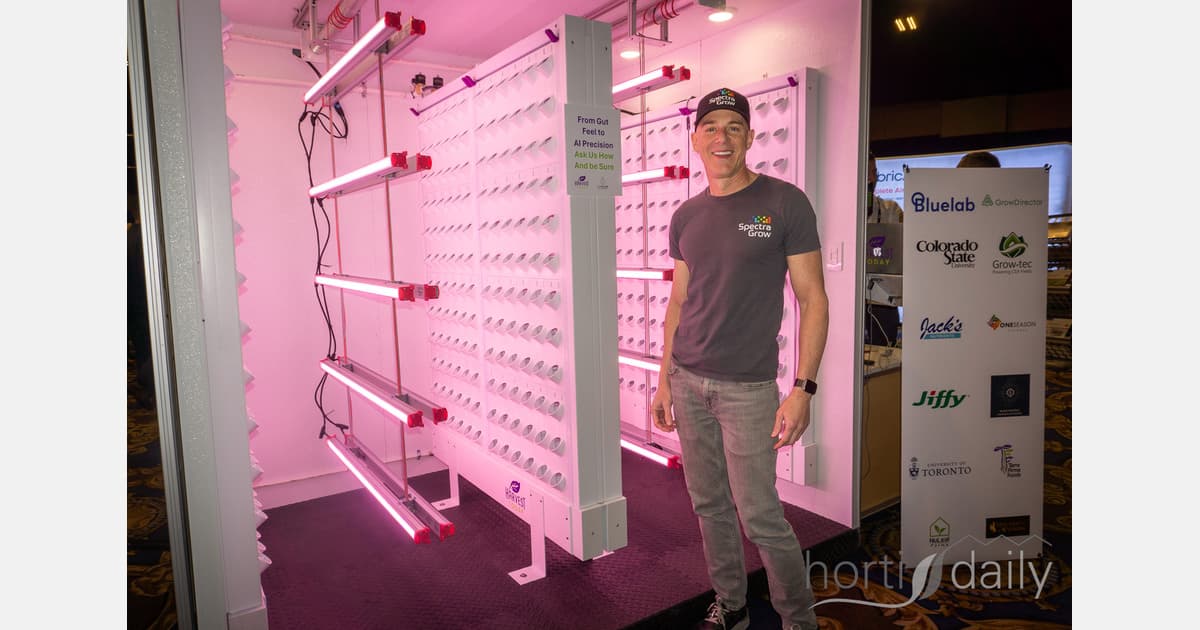
"This Is a Practical Solution to a Big Pain Point in Many Vertical Farms"
Why It Matters
By eliminating the need for workers to operate at height, the SLIM Lift System reduces labor costs and safety risks while boosting crop density, accelerating the economics of indoor agriculture.
Key Takeaways
- •SLIM Lift System retracts LEDs, freeing space for farm operations
- •Enables up to 200 plants per cubic metre, double traditional density
- •Motorized lift uses alloy, IP65 components for durability
- •Works with new builds and retrofits, compatible with any vertical system
- •Control via wall switch or wireless remote, single or multiple units
Pulse Analysis
The vertical‑farm industry has long wrestled with the paradox of stacking crops for yield while sacrificing accessibility. Traditional multi‑tier lighting rigs sit permanently above the canopy, forcing workers onto scissor lifts or ladders for routine tasks. The SLIM Lift System flips that model by integrating a motorized, retractable mechanism that lifts LED arrays to the ceiling at the push of a button. This not only clears the growing volume for hands‑free harvesting but also improves worker safety, a critical factor as labor shortages tighten across the ag‑tech sector.
Beyond ergonomics, the system’s ability to sustain 200 plants per cubic metre reshapes how growers calculate productivity. By shifting the metric from plants per square foot to plants per cubic metre, operators can better exploit vertical space, especially in container farms where ceiling height is a premium. Uniform photon distribution across the vertical plane ensures consistent growth rates, while adjustable PPFD settings accommodate a range of crops from leafy greens to micro‑herbs. The modular design also means farms can scale lighting capacity without major structural overhauls, preserving capital efficiency.
From a market perspective, the collaboration signals a maturation of AgTech ecosystems where hardware providers partner to deliver turnkey solutions. The SLIM Lift System’s compatibility with existing vertical‑grow infrastructures—whether Harvest Walls, aeroponic towers, or custom containers—lowers entry barriers for retrofits, extending the lifespan of aging installations. As indoor agriculture seeks to meet rising demand for locally sourced produce, technologies that combine labor savings, higher density, and flexible integration will likely become differentiators for investors and growers alike.
"This is a practical solution to a big pain point in many vertical farms"
Comments
Want to join the conversation?
Loading comments...