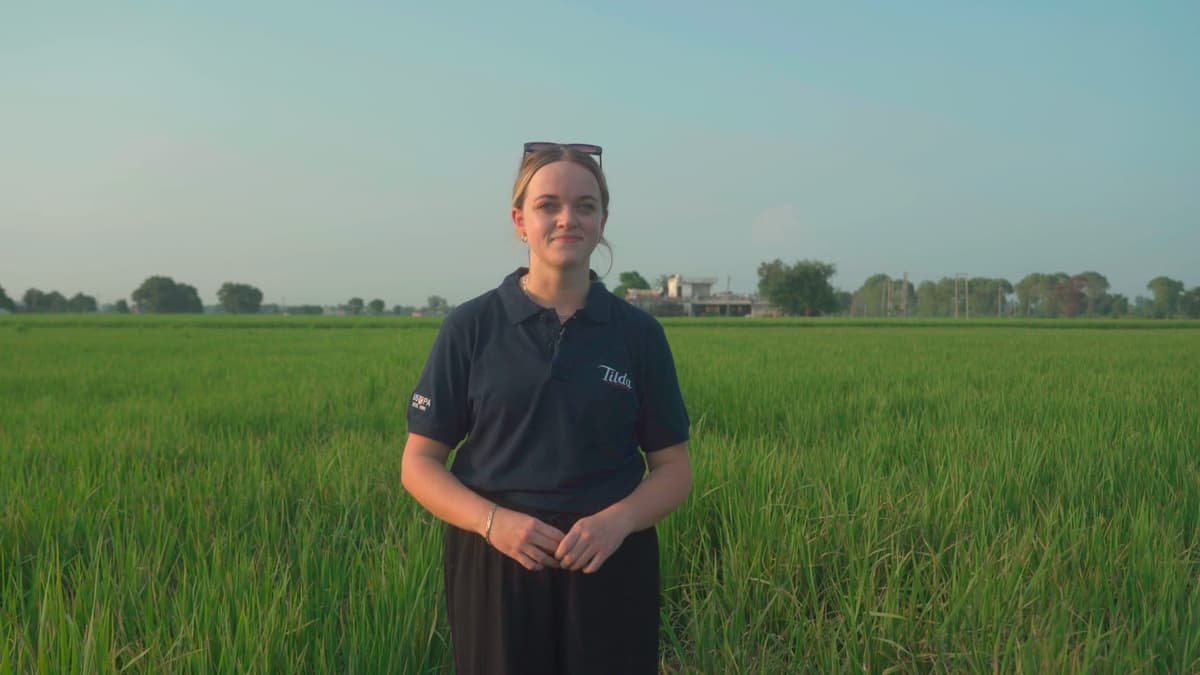
Tilda® Unveils Fourth Impact Report – Scaling Lower-Emission Rice Farming
Why It Matters
Tilda’s progress shows climate‑friendly rice can be mainstreamed, giving agribusinesses a replicable path to net‑zero while strengthening supply‑chain resilience.
Key Takeaways
- •Tilda's report shows 18% emissions cut per kilogram of rice.
- •1.2 million hectares of low‑emission rice cultivated in 2025.
- •Partnership with 250 smallholder farms across South Asia.
- •New seed technology reduces water use by 30%.
- •Goal to halve rice sector emissions by 2035.
Pulse Analysis
Rice accounts for roughly 10% of global agricultural greenhouse‑gas emissions, making it a focal point for climate‑action strategies. Tilda®’s fourth Impact Report arrives at a moment when investors and regulators are demanding measurable sustainability outcomes from food producers. By quantifying an 18% reduction in emissions intensity and scaling low‑emission practices to over a million hectares, Tilda provides concrete data that bridges the gap between corporate pledges and on‑the‑ground results, positioning the company as a leader in climate‑smart agriculture.
The report’s success hinges on a blend of technology and partnership. Tilda introduced a drought‑resistant rice variety engineered to thrive with 30% less water, coupled with precision‑irrigation sensors that enable farmers to apply water only where needed. Collaborating with 250 smallholder farms across South Asia, the initiative not only boosts yields but also improves farmer incomes through premium pricing for low‑emission grain. These innovations illustrate how targeted R&D and inclusive supply‑chain models can drive both environmental and economic benefits.
Looking ahead, Tilda’s ambition to halve rice sector emissions by 2035 aligns with broader net‑zero commitments from governments and major retailers. The company’s transparent reporting sets a benchmark for peer firms, encouraging industry‑wide adoption of similar practices. As consumer demand for sustainably sourced staples grows, Tilda’s model could shape procurement standards, influence policy incentives, and accelerate the transition to a lower‑carbon global food system.
Tilda® unveils fourth Impact Report – scaling lower-emission rice farming
Comments
Want to join the conversation?
Loading comments...