Tracing Impact: A Joint Mission Through Kenya’s BRAINS Project

Why It Matters
Demonstrating early impact validates the multi‑partner model and signals scalable climate‑smart agriculture solutions for East Africa’s smallholders.
Key Takeaways
- •BRAINS targets climate‑resilient bean and insect value chains.
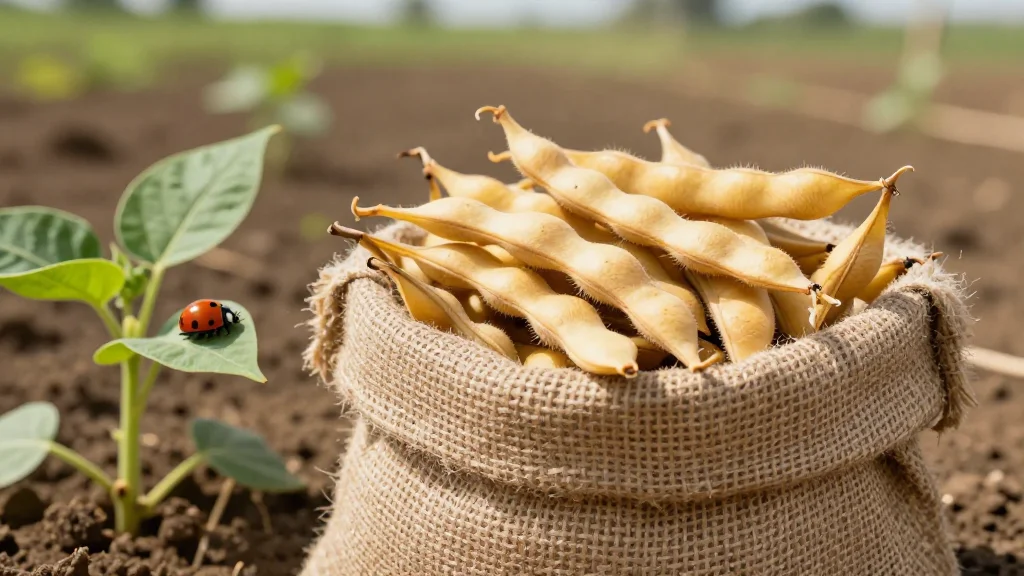
- •Mid‑term review shows 90 kg bean bags ready for market.
- •Global Affairs Canada evaluating two‑year progress of five‑year plan.
- •KALRO, PABRA, and icipe co‑implement ecosystem approach.
- •Synergy observed across research, finance, and market actors.
Pulse Analysis
Climate change is reshaping African agriculture, prompting a shift toward climate‑smart crops and integrated pest management. Beans, a staple protein source, and beneficial insects are central to this transition because they offer both food security and ecological services. The BRAINS project leverages this nexus, uniting research institutions, private sector actors, and development financiers to create resilient value chains that can withstand erratic rainfall and price volatility. By embedding climate adaptation into breeding, post‑harvest handling, and market access, the initiative sets a template for sector‑wide transformation.
During the three‑day mission, stakeholders toured farms, processing facilities, and financing hubs in Nakuru, Nairobi and Kiambu. They witnessed 90‑kilogram bean bags stacked for immediate market distribution, a concrete indicator that research outputs are reaching farmers. Global Affairs Canada’s delegation used the visit to gauge whether the two‑year milestone aligns with the five‑year investment roadmap, focusing on metrics such as farmer income uplift, seed adoption rates, and supply‑chain efficiency. The palpable “synergy” among KALRO, the Alliance through PABRA, and icipe demonstrated how coordinated research, market linkages, and financing can accelerate impact beyond isolated projects.
The broader implication is a proof‑point for collaborative development models in sub‑Saharan agriculture. Successful scaling of BRAINS could attract additional private capital, inspire policy reforms that prioritize climate‑resilient commodities, and encourage other nations to replicate the ecosystem approach. As East Africa’s bean and insect sectors mature, the lessons learned—particularly around data‑driven monitoring and cross‑sector partnerships—will be critical for achieving sustainable productivity gains and meeting regional food‑security targets.
Tracing impact: A joint mission through Kenya’s BRAINS project
Comments
Want to join the conversation?
Loading comments...