Universities Emerge as Backbone of Alternative Protein Scale-Up
Why It Matters
Academic infrastructure reduces time‑to‑market and regulatory risk for alternative‑protein firms, strengthening food‑security solutions and attracting investment across the sector.
Key Takeaways
- •UC Davis iCAMP targets scaling alternative protein commercialization.
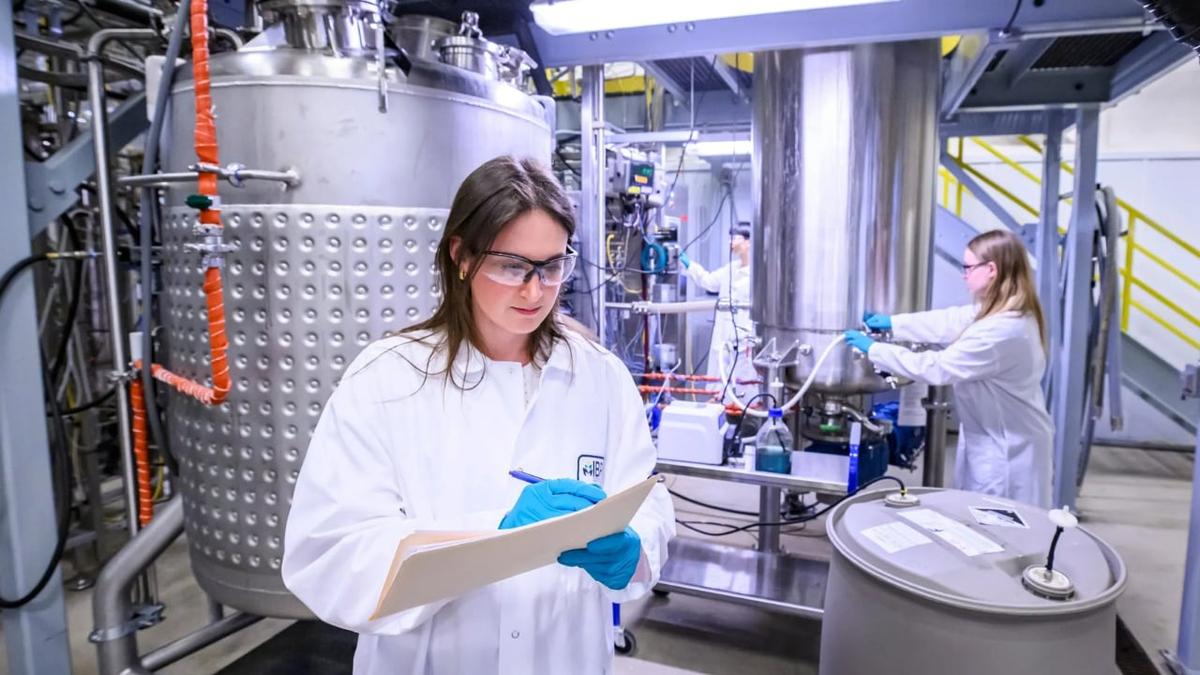
- •iFAB offers secure pilot‑scale testing for startups, protecting IP.
- •New 40,000‑sq ft expansion will double iFAB’s pilot space by 2028.
- •Universities supply safety testing, helping firms achieve FDA GRAS status.
- •Collaboration bridges academia, industry, and regulators to meet rising protein demand.
Pulse Analysis
The surge in global protein demand is prompting a strategic shift from traditional livestock to alternative sources such as plant‑based, fungal, and cultivated meats. While consumer interest fuels market growth, the technical hurdles of scaling production remain formidable. Universities are uniquely positioned to bridge this gap, leveraging deep scientific expertise, state‑of‑the‑art laboratories, and interdisciplinary research programs. By acting as neutral grounds for experimentation, they enable startups to iterate quickly without the massive capital outlay typically required for full‑scale manufacturing.
At the forefront of this movement, UC Davis’s iCAMP and the University of Illinois’s iFAB hub exemplify how academic centers can accelerate commercialization. iCAMP focuses on generating the knowledge base and process technologies needed to bring novel proteins—from cell‑based chocolate to coffee—into the market, while also developing safety protocols that satisfy FDA requirements. Meanwhile, iFAB provides secure, contract‑based access to pilot‑scale fermentation equipment, ensuring intellectual‑property protection for emerging firms. Its upcoming 40,000‑square‑foot expansion, slated for 2028, will double the facility’s capacity, reinforcing the Midwest’s role as a fermentation hub.
The broader impact of these collaborations extends beyond individual product launches. By standardizing testing methods and facilitating GRAS certification, universities help lower regulatory barriers, encouraging broader industry participation and investment. This ecosystem of shared resources, expertise, and risk mitigation is critical for meeting the projected 50% increase in protein consumption, bolstering food‑security initiatives, and positioning the United States as a leader in sustainable food innovation. Continued public‑private partnerships will be essential to sustain momentum and translate scientific breakthroughs into commercially viable, consumer‑ready alternatives.
Universities emerge as backbone of alternative protein scale-up
Comments
Want to join the conversation?
Loading comments...