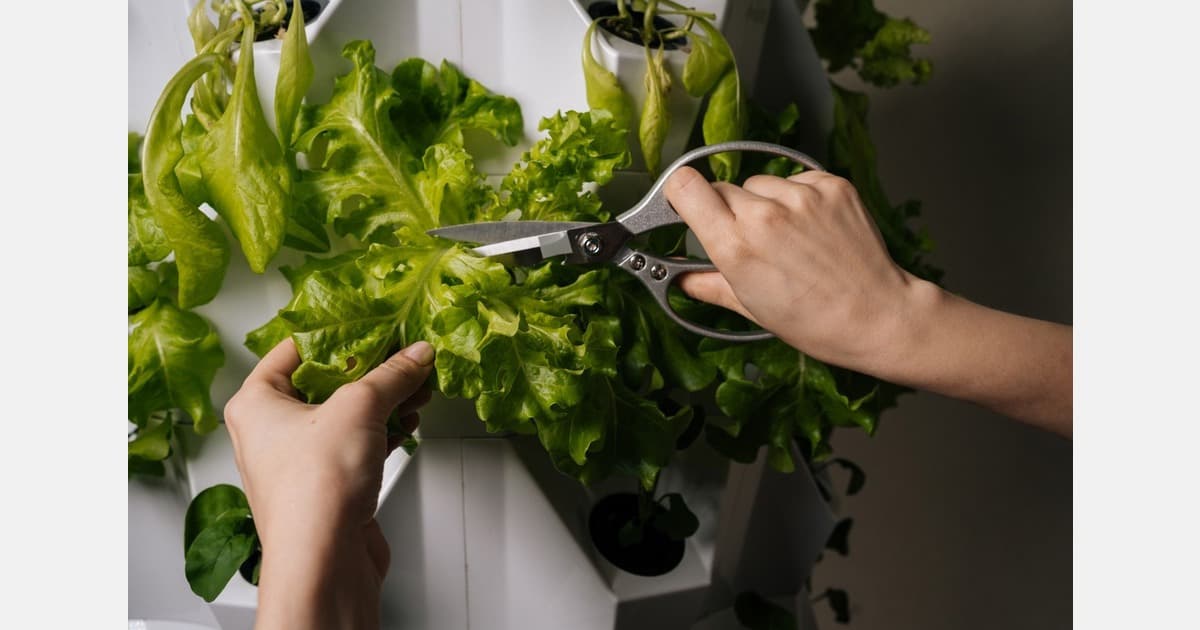
US (MI): Partnership Brings Hydroponic Vegetables to Families Across County
Why It Matters
Freight farms give food‑assistance programs a reliable, low‑waste source of fresh produce, directly tackling child food insecurity. The model demonstrates how technology can make nonprofit nutrition services more efficient and scalable.
Key Takeaways
- •30% of children in Tarrant County are food‑insecure
- •Freight farms produce 21,000 plants in first year
- •Container farms deliver produce within days of harvest
- •Vertical farms cut waste and extend shelf life
- •Model can be replicated by other food‑assistance nonprofits
Pulse Analysis
The United States continues to grapple with child food insecurity, and Tarrant County is no exception, where roughly one‑third of children lack reliable access to nutritious meals. Traditional food‑bank models rely heavily on donated produce, which often spoils before reaching families. Hydroponic vertical farming, housed in repurposed shipping containers—known as freight farms—offers a climate‑controlled, soil‑free solution that can be deployed in urban or suburban settings. By growing leafy greens year‑round, these farms sidestep seasonal constraints and dramatically shorten the time between harvest and distribution.
Community Link, a nonprofit founded in 2005, leveraged this technology in March 2025, launching Fresh Link Farms. Within six months the container yielded 21,000 plants, including romaine lettuce, kale, collard greens and bok choy, directly feeding families that the organization served—nearly 23,000 households last year. Because the produce is harvested on‑site, spoilage rates plummet, and the organization can fulfill orders through its online platform and drive‑through pantry within days. The self‑contained system also reduces water usage by up to 90% compared with conventional agriculture.
The success of Fresh Link Farms signals a scalable model for hunger‑relief agencies nationwide. Freight farms require minimal land, can be placed near distribution hubs, and operate on renewable energy, aligning with sustainability goals. As costs of container retrofits fall and hydroponic technology matures, more nonprofits can replicate the approach, potentially shifting the food‑assistance sector from a reactive to a proactive stance. Policymakers and donors may view such innovations as high‑impact investments, accelerating the transition toward resilient, local food systems that address both nutrition and climate challenges.
US (MI): Partnership brings hydroponic vegetables to families across county
Comments
Want to join the conversation?
Loading comments...