US (PA): Aquaponics Operation Looks to Expand
Why It Matters
The expansion demonstrates how aquaponics can deliver local, sustainable produce while cutting water and energy use, signaling broader adoption of resource‑efficient farming in the United States.
Key Takeaways
- •25,000‑sq‑ft indoor farm operates seven days weekly
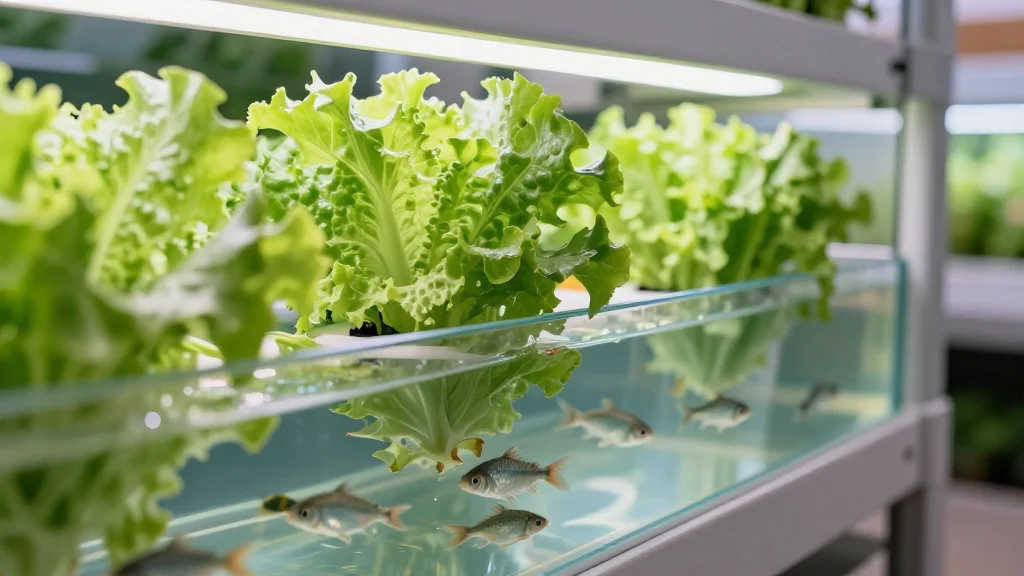
- •Lettuce fertilized using nutrients from on‑site fish waste
- •LED lighting upgrade cuts energy consumption, improves climate control
- •Expansion aims to increase local, year‑round produce supply
- •Aquaponics reduces water use compared to traditional farming
Pulse Analysis
Aquaponics, the hybrid of hydroponics and aquaculture, is gaining traction as a climate‑smart farming method. By circulating water between fish tanks and plant beds, growers capture nitrogen‑rich waste as a natural fertilizer, dramatically lowering the water footprint compared with conventional soil agriculture. Industry analysts note that U.S. indoor farming capacity could reach 30 million square feet by 2030, driven by rising consumer demand for locally sourced, pesticide‑free produce and tighter water regulations in many states.
WestWinn Urban Agriculture’s Sharon facility exemplifies this trend. The 25,000‑square‑foot operation runs continuously, producing lettuce and ancillary greens while raising fish whose waste fuels plant growth. A recent transition to high‑efficiency LED lighting has slashed electricity costs and enabled precise control of temperature and humidity, essential for consistent yields in a former industrial complex. The farm’s seven‑day schedule and closed‑loop system also reduce labor overhead, positioning it as a financially viable model for mid‑size agribusinesses.
Looking ahead, WestWinn’s planned expansion signals confidence in scaling aquaponic systems beyond pilot projects. Additional grow beds and larger fish tanks will boost output, potentially supplying grocery chains and food‑service distributors across the Mid‑Atlantic. Investors are watching closely, as the capital‑intensive nature of indoor farms can be offset by lower resource inputs and premium pricing for sustainable produce. If the expansion succeeds, it could serve as a blueprint for other regions seeking to combine food security with environmental stewardship.
US (PA): Aquaponics operation looks to expand
Comments
Want to join the conversation?
Loading comments...