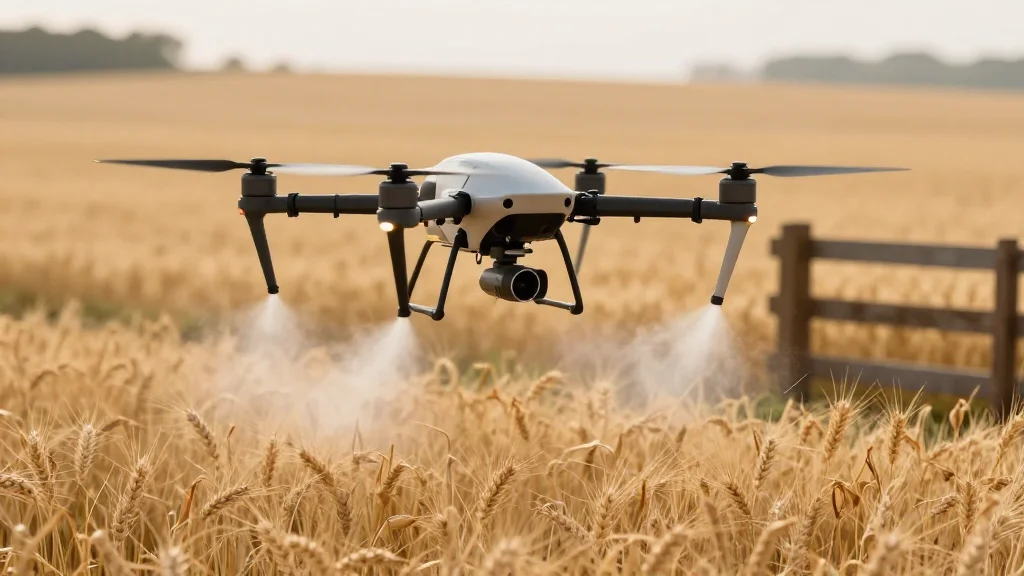
Vic Court Fines Operator $15,000 for Drone Spray Drift
Why It Matters
The penalty signals tighter enforcement of drone pesticide regulations, influencing adoption and operational standards across the ag‑tech sector.
Key Takeaways
- •Drone operator fined $15,000 for spray drift violation
- •Damage affected 4 hectares, costing about $26,000 to remediate
- •Magistrate stressed strict wind monitoring for drone applications
- •Agriculture Victoria notes drone drift risk exceeds ground sprayers
- •Case underscores need for compliance with aerial spraying licences
Pulse Analysis
The agricultural sector has embraced remotely piloted aircraft (RPA) for precision chemical application, promising lower labor costs and reduced environmental footprints. Yet the recent conviction of a South‑West Victorian drone‑spraying business—fined AUD 15,000 (≈ US $9,900)—demonstrates that regulators are catching up with the technology. Agriculture Victoria’s manager, Daniel Bode, warned that drones, like any aerial platform, are subject to the same weather‑related risks, and that licensing frameworks already require operators to assess wind speed, terrain and droplet characteristics before take‑off.
The incident at Barongarook in May 2024 illustrates how a combination of wind speed, release height, droplet size and manual flight decisions can generate significant spray drift. Approximately four hectares of adjacent land turned yellow, costing the landowner about AUD 26,000 (≈ US $17,200) in reseeding, hay replacement and lost income. While modelling suggests drones may produce less drift than fixed‑wing aircraft, the data still show a higher risk than ground‑based sprayers, prompting magistrate Gerard Bryant to order strict wind‑monitoring protocols for any RPA operation.
The ruling sends a clear market signal: compliance will be a cost of doing business for ag‑tech firms deploying drones. Operators must invest in real‑time meteorological tools, obtain proper aerial‑spraying licences, and train pilots to abort missions when conditions exceed legal thresholds. Insurers are likely to tighten underwriting criteria, and investors will scrutinize companies’ risk‑management frameworks. As drone usage expands, the industry can expect more detailed guidance from bodies such as Agriculture Victoria, reinforcing due‑diligence as a competitive advantage rather than a regulatory hurdle.
Vic court fines operator $15,000 for drone spray drift
Comments
Want to join the conversation?
Loading comments...