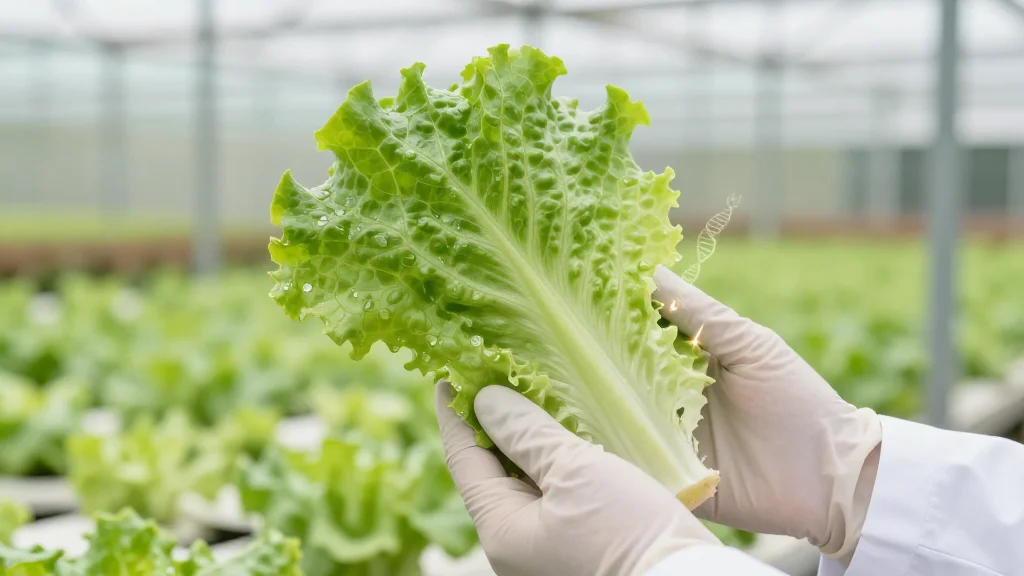
"We Are Now at the Point Where We Have Multiple Promising Lines and Are Narrowing Them Down"
Why It Matters
Resilient lettuce cultivars will safeguard a staple crop against climate‑driven disease threats, securing farmer incomes and consumer access. The breakthrough could set a new standard for public‑sector plant breeding in a warming world.
Key Takeaways
- •$500k USDA grant fuels lettuce disease resistance research.
- •Rare Macedonian lettuce offers natural bacterial spot resistance.
- •Hundreds of lines narrowed to few promising cultivars.
- •Multi-state trials will test climate adaptability and market traits.
- •Potential dual resistance to bacterial and Cercospora leaf spots.
Pulse Analysis
Lettuce remains a cornerstone of the U.S. fresh‑produce market, yet its cool‑weather preference makes it vulnerable as regional temperatures climb. Bacterial leaf spot, already a major yield‑drag, is expected to proliferate under warmer, more humid conditions, threatening both field and greenhouse operations. Growers therefore face a tightening margin between production costs and market demand for high‑quality, long‑shelf‑life heads. In this context, breeding programs that embed disease resistance directly into the plant’s genetics are becoming essential for supply‑chain stability.
The UF/IFAS team’s strategy hinges on a rare accession collected in Macedonia, which carries innate resistance to bacterial leaf spot. By introgressing this trait into commercial lettuce backgrounds, researchers have produced hundreds of advanced lines, each evaluated for agronomic performance, texture, and post‑harvest longevity. Federal support through USDA‑NIFA not only finances the breeding pipeline but also enables multi‑state field trials in Florida, California and Arizona, ensuring the new cultivars can thrive in diverse soils and production systems, from open fields to high‑tech greenhouses.
If the leading lines confirm dual resistance to both bacterial and Cercospora leaf spots, the industry could see its first publicly released lettuce with broad‑spectrum disease protection. Such cultivars would reduce reliance on chemical controls, lower production costs, and extend the viable growing season in hotter regions. Seed companies and growers stand to benefit from a faster adoption curve, while retailers gain a more consistent supply of fresh, visually appealing lettuce. Ultimately, this research exemplifies how public‑sector innovation can address climate challenges and reinforce food security for a staple vegetable.
"We are now at the point where we have multiple promising lines and are narrowing them down"
Comments
Want to join the conversation?
Loading comments...