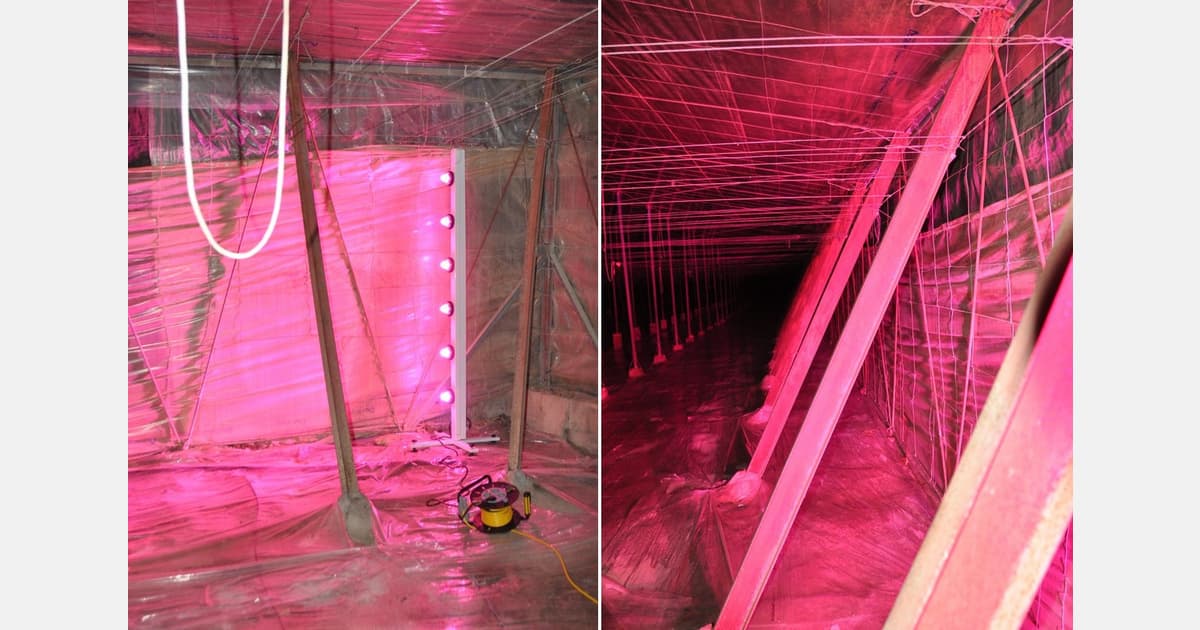
"We Observed that There Was a Specific Tone that No Insects Approached"
Why It Matters
The solution offers growers a non‑chemical, preventive tool that can lower pesticide resistance and reduce virus transmission, addressing tightening regulations and rising demand for sustainable greenhouse production.
Key Takeaways
- •Biocaptur's light barrier repels whitefly and thrips without chemicals.
- •Prototype covers 80‑100 m, creating a perimeter “rejection corridor.”
- •Early trials showed near‑zero pests on illuminated crop rows.
- •System aims to cut virus transmission and crop losses.
Pulse Analysis
Greenhouse growers have long relied on reactive pest control, spraying chemicals after infestations are detected. Rising resistance to insecticides, stricter EU pesticide regulations, and the economic toll of virus‑borne diseases transmitted by whitefly and thrips are forcing a strategic shift toward prevention. Light‑based technologies, already proven with attract‑and‑incinerate traps for the tomato leafminer Tuta absoluta, are emerging as a viable alternative that aligns with integrated pest management (IPM) principles and sustainability goals.
Biocaptur’s new approach exploits negative phototaxis, identifying specific light spectra that insects actively avoid. By installing continuous light barriers along greenhouse perimeters—spanning 80 to 100 meters—the company creates a “rejection corridor” that deters whitefly and thrips entry. Field tests on aubergine crops demonstrated that illuminated rows were virtually pest‑free the following day, confirming the barrier’s efficacy. The system integrates with existing lighting infrastructure and can be paired with an automatic incinerator for thrips, offering a dual‑action solution that both repels and eliminates target species.
If widely adopted, this technology could reshape greenhouse pest management by reducing reliance on chemical sprays, lowering production costs linked to pesticide application, and mitigating the spread of devastating plant viruses. Growers stand to benefit from higher yields, compliance with tighter environmental standards, and a stronger market position as consumers demand greener produce. As Biocaptur moves toward commercial rollout, investors and agritech firms are likely to watch closely, anticipating a scalable, eco‑friendly tool that addresses one of horticulture’s most persistent challenges.
"We observed that there was a specific tone that no insects approached"
Comments
Want to join the conversation?
Loading comments...