Why Wine Can’t Keep Leaning on Tradition Alone
Why It Matters
Without systemic change, wineries risk falling behind climate challenges and labour shortages, limiting competitiveness in a high‑value market.
Key Takeaways
- •Tradition dominates in natural, biodynamic, and Grand Cru winemaking.
- •€40,000 sensor platform (~$43k) is a major hurdle for 10‑ha estates.
- •Real transformation means redesigning vineyards, AI models, and integrated automation.
- •Robotics fits vineyards due to high value per hectare and labor gaps.
- •New regions like the UK adopt tech early, bypassing legacy constraints.
Pulse Analysis
The wine sector sits at a crossroads where centuries‑old practices meet the urgency of climate change. While premium appellations such as Burgundy cling to terroir‑driven methods, recent frost events that wiped out 40 % of a harvest have exposed the vulnerability of a business built on static vines. This pressure mirrors a broader trend in agriculture: high‑value crops are increasingly willing to fund precision tools that promise yield stability. Yet the capital intensity of vineyards—often a 30‑year capex cycle—means that any technology must demonstrate clear return on investment before it can displace tradition.
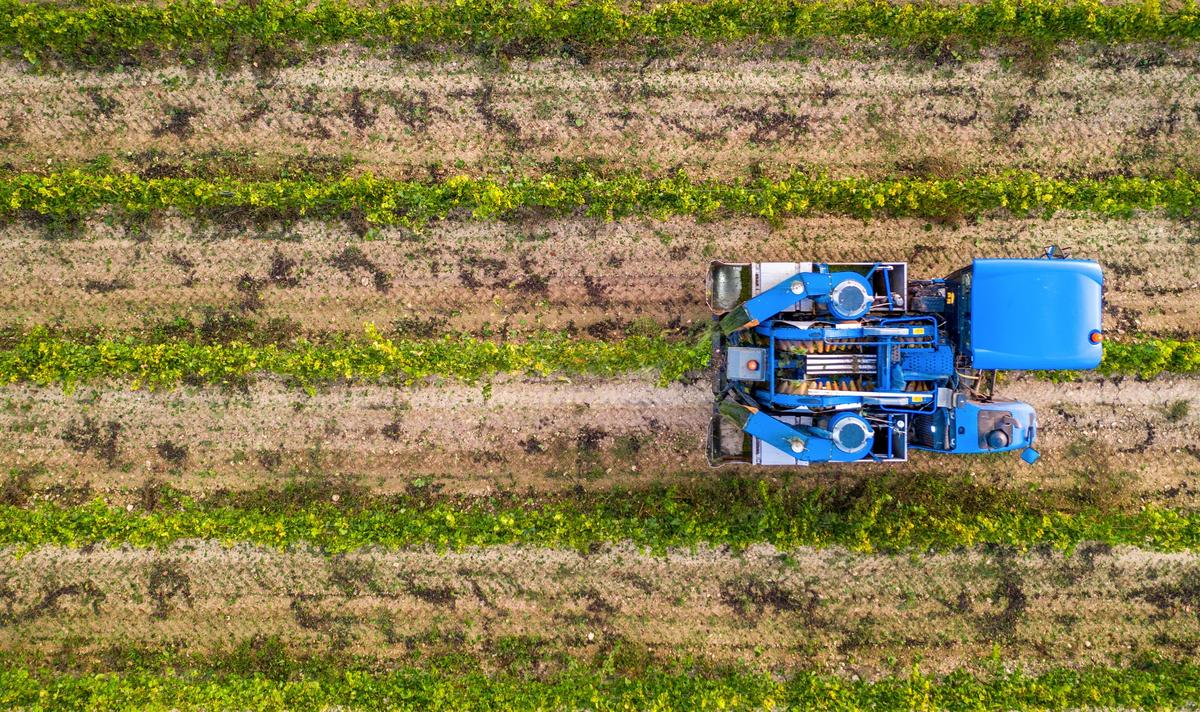
Most European wineries today have adopted sensors and dashboards, but these upgrades rarely alter the underlying workflow. The real breakthrough will come from tightly coupled systems that connect vineyard scouting robots, machine‑learning varietal selection, and automated cellar management. Companies like Vitibot, Oxin, and Robotics Plus are piloting autonomous sprayers and scouts, while AI platforms such as Della Toffola predict ageing potential at the parcel level. When these modules share data through a unified cloud layer, growers can shift from reactive decisions to proactive, system‑wide optimization—turning a $43,000 sensor suite into a strategic asset rather than a standalone gadget.
Investors are taking note, especially as emerging wine regions—Britain, Scandinavia, and Belgium—build their vineyards on a digital foundation. Without legacy regulations, they can experiment with drought‑resistant rootstocks and AI‑driven site selection, creating a template that could cascade into broader ag‑tech applications. For established players, the incentive to move beyond dashboards is twofold: mitigate labour shortages and protect margins in a market where premium pricing depends on perceived authenticity. A systemic digital overhaul could therefore safeguard the industry’s heritage while unlocking new revenue streams, positioning wine as both a cultural icon and a catalyst for agricultural innovation.
Why wine can’t keep leaning on tradition alone
Comments
Want to join the conversation?
Loading comments...