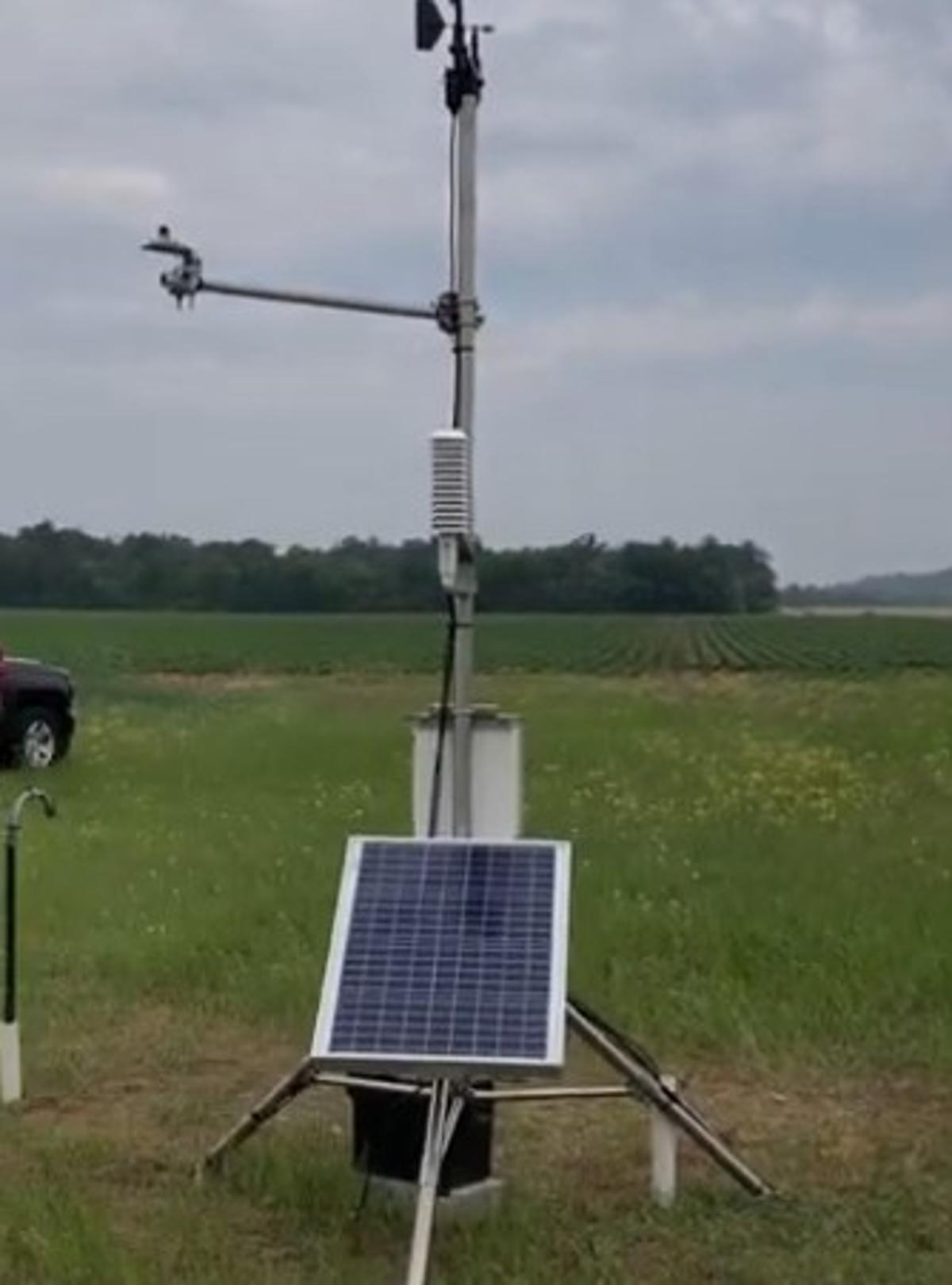
WiscoNet Weather Data Is Popular Before Planting
Why It Matters
Granular, real‑time weather and soil data enable growers to fine‑tune planting dates, boosting yields and reducing input waste. Scaling the network strengthens regional ag forecasting and climate‑resilience efforts.
Key Takeaways
- •WiscoNet operates 80 automated stations across Wisconsin.
- •Data updates every fifteen minutes, covering temperature, moisture, radiation.
- •Farmers use soil temperature data to time planting decisions.
- •Funding aims to add ~40 stations for 20‑mile coverage.
Pulse Analysis
Weather mesonets like Wisconsin’s WiscoNet have become essential infrastructure for modern agriculture. By deploying a dense grid of sensors that capture atmospheric and subsurface conditions every quarter hour, the network supplies a level of detail previously reserved for research stations. This granularity allows growers to move beyond county‑wide averages and make field‑specific decisions, a shift that mirrors broader trends in precision farming and data‑driven agronomy.
During the critical pre‑planting window, soil temperature is a key determinant of seed germination success. WiscoNet’s free portal lets farmers, educators, and the National Weather Service pull real‑time readings to align planting schedules with optimal thermal conditions, reducing the risk of delayed emergence or frost damage. The immediacy of the data also supports more accurate fertilizer and irrigation planning, translating into higher yields and lower input costs. Compared with similar mesonet initiatives in states such as Minnesota and Texas, WiscoNet’s focus on sub‑surface metrics gives it a competitive edge for crops sensitive to soil moisture and temperature.
The network’s future hinges on securing additional funding to close coverage gaps and introduce enhancements like on‑site web cameras. Expanding to an additional forty stations would bring most of the state within a 20‑mile radius of a sensor, creating a near‑continuous data tapestry. Such an upgrade would not only improve local forecasting but also feed larger climate‑modeling efforts, positioning Wisconsin as a leader in agricultural resilience. As public and private stakeholders recognize the economic upside of precise weather intelligence, investments in mesonet infrastructure are likely to accelerate, driving innovation across the ag tech ecosystem.
WiscoNet weather data is popular before planting
Comments
Want to join the conversation?
Loading comments...