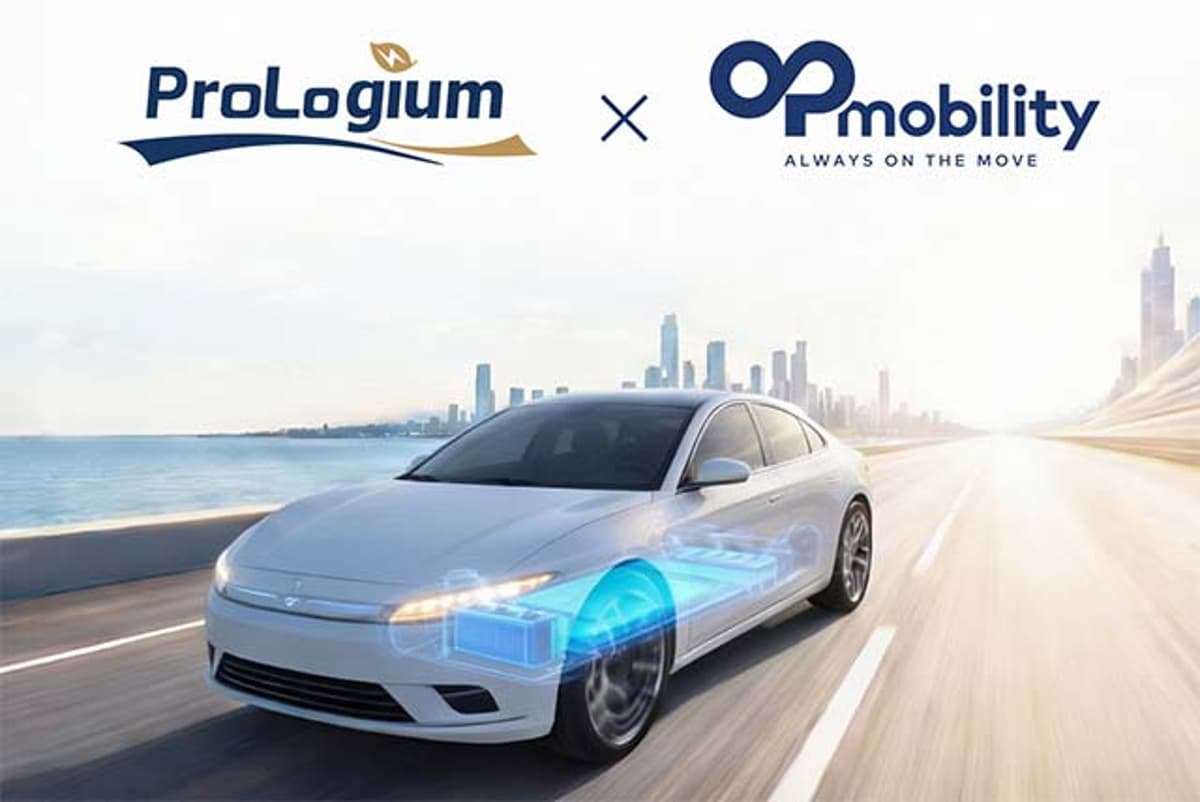
ProLogium and OPmobility Explore Solid-State Battery Integration for Future EVs
Companies Mentioned
Why It Matters
Combining ProLogium’s high‑energy solid‑state cells with OPmobility’s system‑integration expertise could shorten the path to commercial solid‑state EV batteries, giving automakers faster charging, higher range and better cold‑weather performance.
Key Takeaways
- •MoU signed to test ProLogium solid‑state cells in EV modules.
- •Cells offer 900 Wh/L energy density and 6.4‑minute fast charge.
- •OPmobility will design and manufacture battery packs using the cells.
- •Collaboration targets >1,200 cycle life and cold‑weather retention.
- •Goal: accelerate OEM‑ready solid‑state battery adoption.
Pulse Analysis
The race to replace conventional lithium‑ion packs with solid‑state technology has intensified as automakers chase higher energy density, rapid charging and improved safety. ProLogium’s ceramic‑based cells stand out with a reported 900 Wh/L volumetric density—roughly double that of many current lithium‑ion formats—and a fast‑charge capability that can lift a battery from 5 % to 80 % in just over six minutes. Such metrics, if realized at scale, promise to extend vehicle range while shrinking pack size, a combination that could reshape vehicle architecture and cost structures.
OPmobility brings a complementary skill set, focusing on the system‑level integration that has historically bottlenecked solid‑state adoption. By taking responsibility for module design, thermal management and pack manufacturing, the company can translate laboratory‑grade cell performance into automotive‑grade solutions. The MoU’s emphasis on joint testing protocols and early workflow alignment aims to surface integration challenges—such as pressure management and interface stability—well before mass production, reducing development risk for OEMs and accelerating time‑to‑market.
If the collaboration succeeds, it could set a new benchmark for OEM‑ready solid‑state batteries, pressuring rivals like Toyota, Samsung SDI and QuantumScape to accelerate their own development cycles. A commercially viable solid‑state pack would not only boost range and charging speed but also enhance safety by eliminating flammable liquid electrolytes. For the broader EV ecosystem, this could translate into faster consumer adoption, lower total‑cost‑of‑ownership, and a stronger push toward a zero‑emission transportation future.
ProLogium and OPmobility Explore Solid-State Battery Integration for Future EVs
Comments
Want to join the conversation?
Loading comments...