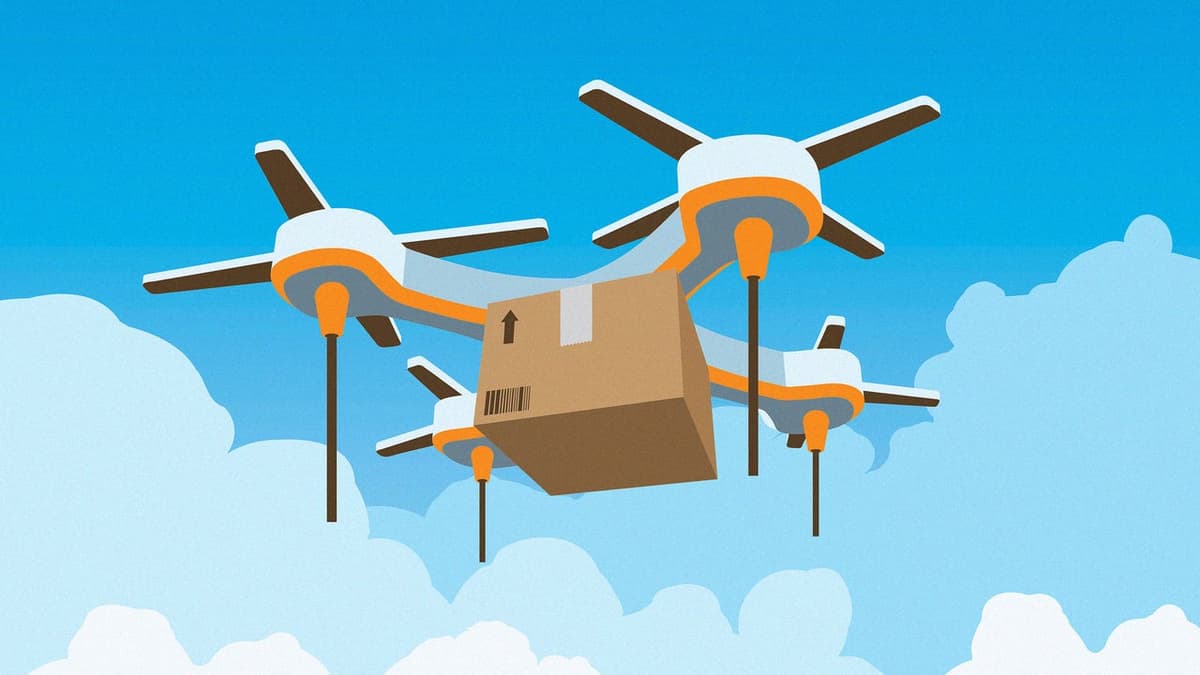
Drone Use Could Skyrocket After the FAA Changes This Rule
Why It Matters
BVLOS authorization unlocks high‑value, long‑distance drone services, creating new revenue streams and boosting U.S. competitiveness in a rapidly globalizing unmanned‑aircraft market.
Key Takeaways
- •FAA's Part 108 will permit BVLOS operations for drones under 55 lb.
- •BVLOS could unlock large‑scale agriculture, infrastructure inspection, and delivery services.
- •Autonomous navigation and AI are essential for safe integration into national airspace.
- •China, EU, and Japan already allow broader drone autonomy.
- •Over 800,000 U.S. drones are registered, mostly in uncontrolled airspace.
Pulse Analysis
The FAA is poised to finalize Part 108, a regulatory framework that will lift the long‑standing visual‑line‑of‑sight (VLOS) restriction for unmanned aircraft systems. By authorizing beyond‑visual‑line‑of‑sight (BVLOS) flights, the agency creates a legal pathway for drones to travel farther, higher, and for longer durations without constant operator eye contact. The rule targets aircraft under 55 pounds, the same weight class that houses most commercial and hobbyist platforms today. Industry analysts expect the change to accelerate deployments in sectors such as precision agriculture, infrastructure inspection, and last‑mile logistics, where distance has been a critical barrier.
Technical advances are arriving in step with the regulatory shift. Artificial‑intelligence‑driven perception systems now enable drones to detect and avoid obstacles, while autonomous flight controllers can execute takeoffs, landings, and waypoint navigation without human input. Partnerships like the Northeast UAS Airspace Integration Research Alliance, AURA Network Systems, and General Atomics are field‑testing these capabilities alongside the FAA’s Beyond program and NASA’s UAS‑NAS project. The convergence of AI, robust command‑and‑control links, and standardized airworthiness criteria is essential to assure that BVLOS operations meet the same safety margins as manned aircraft.
The economic upside is substantial. A Bloomberg‑cited study projects that U.S. BVLOS services could generate upwards of $30 billion annually by 2030, driven by high‑value use cases such as power‑line monitoring, rail‑track surveys, and rapid medical‑supply delivery. International competitors—China, the European Union, and Japan—have already relaxed their drone rules, positioning themselves to capture early market share. However, broader adoption raises security, privacy, and air‑space congestion concerns that regulators must address through robust identification, geofencing, and counter‑UAS measures. Balancing innovation with public safety will determine how quickly the promised drone boom materializes.
Drone use could skyrocket after the FAA changes this rule
Comments
Want to join the conversation?
Loading comments...