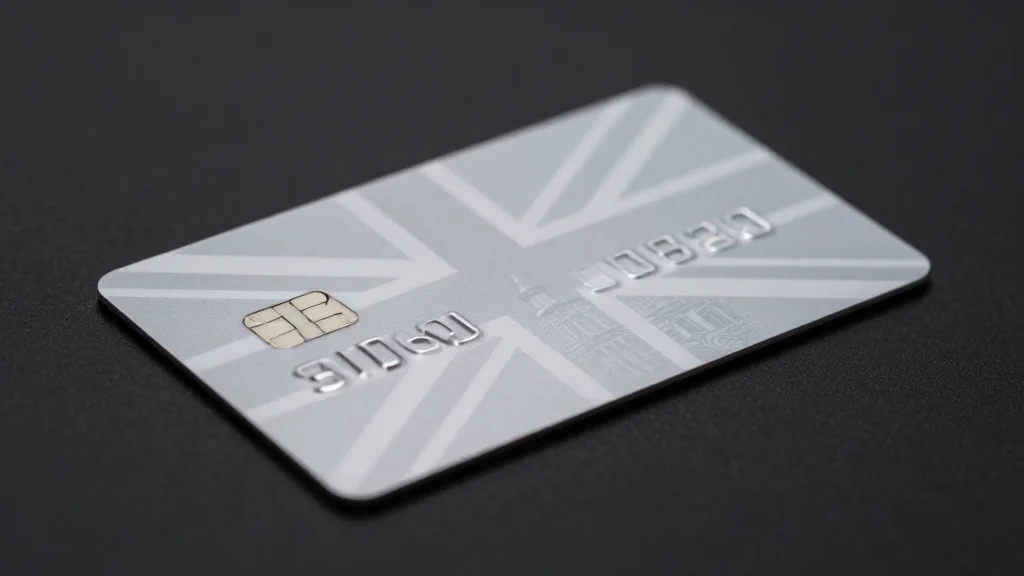
Barclays, HSBC, Lloyds and NatWest Back New UK Payments Scheme to Challenge Visa, Mastercard

Companies Mentioned

Why It Matters
A domestically controlled card scheme could lower transaction costs for UK merchants, potentially passing savings to consumers and boosting retail margins. It also diversifies the payments infrastructure, reducing systemic risk tied to foreign processors. For the banks, the initiative opens a new revenue stream and strengthens their relationship with customers by offering a homegrown alternative to the entrenched Visa and Mastercard brands. From a regulatory perspective, the scheme aligns with the FCA’s agenda to foster competition and innovation in financial services. If successful, it may encourage similar initiatives in other jurisdictions, reshaping the global payments landscape and challenging the duopoly that has long dominated card transactions worldwide.
Key Takeaways
- •Barclays, HSBC, Lloyds and NatWest are founding shareholders of the UK Payments Initiative.
- •The new domestic card scheme is set to launch next week, with pilot cards issued to select merchants.
- •Banks aim to offer lower transaction fees than Visa and Mastercard’s typical 1.5‑2.0% rates.
- •The FCA is overseeing the initiative, emphasizing competition and consumer protection.
- •Success could force Visa and Mastercard to adjust pricing and accelerate UK payments innovation.
Pulse Analysis
The UK Payments Initiative represents a strategic pivot for the country’s biggest banks, moving from passive participants in global card networks to architects of a homegrown alternative. Historically, Visa and Mastercard have leveraged scale to command premium fees, leaving little room for domestic challengers. By uniting under a single platform, the four banks mitigate the network effect that has traditionally favored the incumbents. Their combined retail deposit base and existing merchant relationships provide a ready-made ecosystem that can accelerate adoption.
However, the venture’s success hinges on execution. Card acceptance infrastructure, consumer trust, and seamless integration with digital wallets are non‑negotiable. Visa and Mastercard have deep technical expertise and established brand equity; they are likely to respond with competitive pricing or co‑branding deals to retain market share. The banks must therefore differentiate on cost, data transparency, and perhaps most importantly, on the promise of a British‑owned network that safeguards domestic financial data.
In the longer term, the initiative could catalyze a broader re‑evaluation of payment models across Europe. If the UK can demonstrate that a national scheme can coexist with, or even supplant, global networks, regulators in other regions may feel emboldened to support similar projects. This could erode the duopoly’s pricing power globally, leading to a more fragmented but potentially more competitive payments environment. For now, the coming weeks will reveal whether the UK Payments Initiative can translate its ambitious blueprint into measurable market share.
Barclays, HSBC, Lloyds and NatWest Back New UK Payments Scheme to Challenge Visa, Mastercard
Comments
Want to join the conversation?
Loading comments...