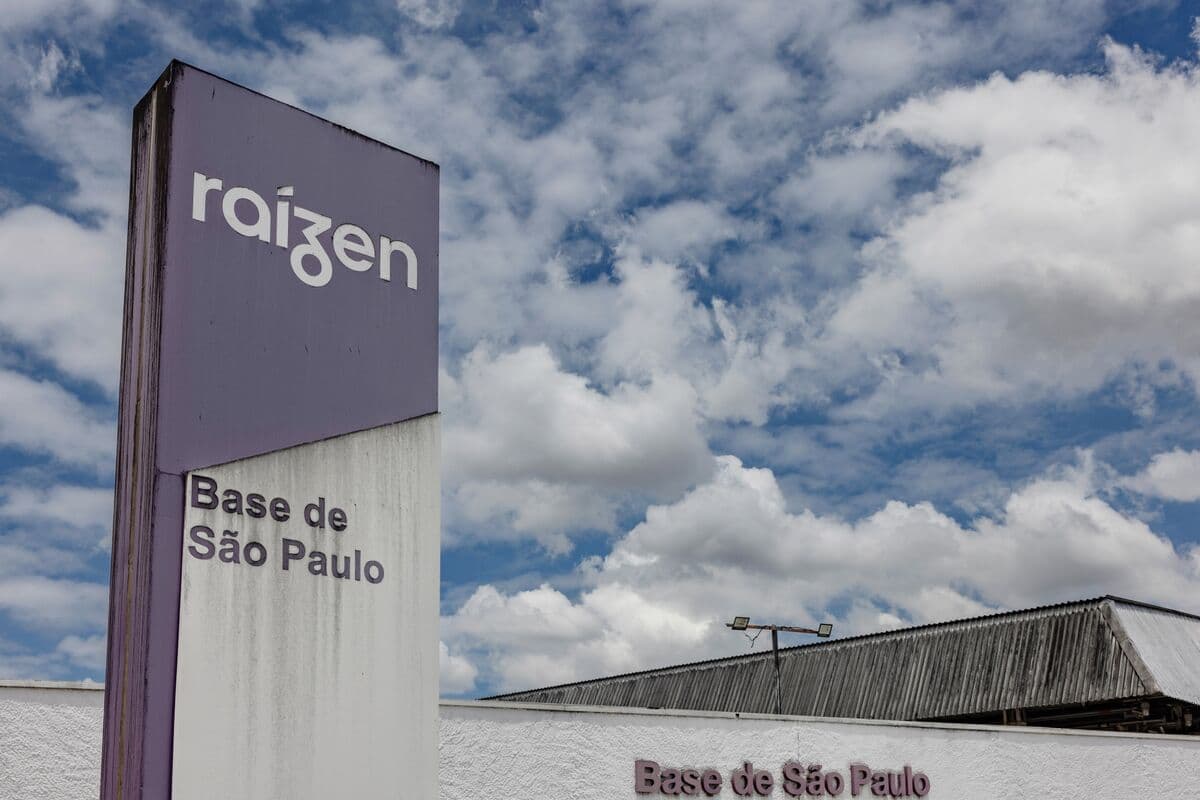
BNP, Bradesco, Rabobank Named Among Raízen Top Creditors
•March 11, 2026
0
Why It Matters
The restructuring will determine Raízen’s ability to fund its sugar‑ethanol operations and could set a precedent for large corporate debt workouts in emerging markets, influencing investor confidence and financing terms across the sector.
Key Takeaways
- •Raízen owes $12.6 bn, pursuing out‑court restructuring.
- •BNP Paribas, Bradesco, Rabobank rank among top creditors.
- •Restructuring aims to extend maturities, reduce interest costs.
- •Creditors may demand tighter covenants and equity stakes.
- •Outcome could impact Brazil’s sugar‑ethanol supply chain.
Pulse Analysis
Raízen SA, a joint venture between Shell and Cosan, commands a dominant position in Brazil’s sugar, ethanol and fuel markets. Over the past two years, the company’s balance sheet has been pressured by rising input costs, weaker ethanol margins and a surge in global interest rates. Facing a $12.6 billion debt load, Raízen opted for an out‑court restructuring to avoid a formal bankruptcy filing, seeking to preserve operational continuity while renegotiating terms with its lenders.
The creditor group includes BNP Paribas, Banco Bradesco and Rabobank, each holding sizable exposure to the Brazilian energy producer. Their involvement signals confidence that a negotiated solution can protect both the lenders’ capital and Raízen’s strategic assets. Expected concessions involve extending loan maturities, reducing coupon rates, and possibly granting the banks additional covenants or equity warrants. Such adjustments aim to lower immediate cash‑flow strain while aligning creditor interests with the company’s long‑term profitability.
Beyond Raízen, the restructuring carries broader implications for Brazil’s corporate finance landscape. Successful out‑court negotiations could encourage other high‑debt firms in the commodity sector to pursue similar pathways, reinforcing the market’s appetite for flexible debt solutions. Conversely, any setbacks might tighten credit conditions, prompting lenders to demand higher spreads or stricter terms for future financing. Investors will watch the outcome closely, as it will shape risk assessments for emerging‑market energy assets and influence the pricing of sovereign and corporate bonds across Latin America.
BNP, Bradesco, Rabobank Named Among Raízen Top Creditors
0
Comments
Want to join the conversation?
Loading comments...