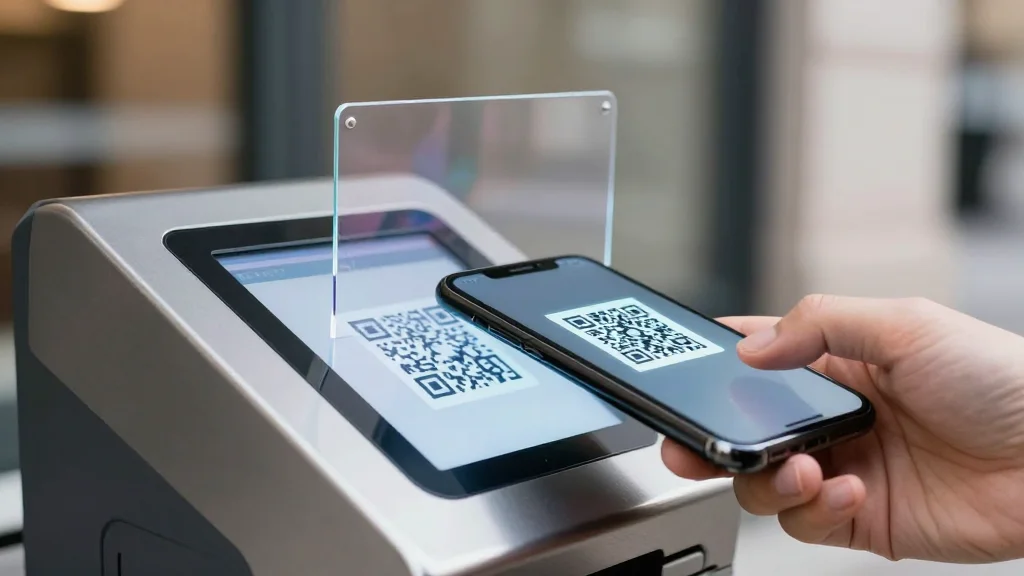
BSP Orders Banks to Tighten AML Controls on QR Payments

Why It Matters
Strengthening AML and CTPF controls for QR‑enabled payments addresses a critical vulnerability in the Philippines’ fast‑growing cash‑less ecosystem. By forcing banks and aggregators to adopt risk‑based monitoring, the BSP aims to prevent the financial system from becoming a conduit for illicit funds, a concern that has drawn scrutiny from the Financial Action Task Force. The policy also signals to regional regulators that the Philippines is committed to modernising its supervisory framework, which could attract foreign investment in fintech and digital‑banking services. For consumers, clearer separation between merchant and personal accounts and tighter oversight of QR code usage should reduce fraud incidents and increase trust in electronic payments. For the banking sector, the new rules create a compliance imperative that may accelerate the adoption of advanced analytics and AI‑driven transaction monitoring, setting a higher baseline for AML effectiveness across Southeast Asia.
Key Takeaways
- •BSP issued Memorandum M‑2026‑017 mandating stricter AML/CTPF controls for QR payments.
- •All BSP‑supervised institutions must ensure onboarding, monitoring and merchant due‑diligence are "effective and commensurate with risk."
- •Payment aggregators receive independent AML responsibilities, including suspicious‑transaction reporting.
- •Institutions have 60 days to implement controls and submit compliance reports, with potential supervisory penalties for non‑compliance.
- •The directive targets "mule merchants" and unauthorised QR code use, aiming to curb money‑laundering as digital payments surge.
Pulse Analysis
The BSP’s crackdown on QR‑enabled payments reflects a broader shift among central banks to embed AML safeguards directly into the digital‑payments stack. Historically, the Philippines relied on manual, transaction‑level checks that struggled to keep pace with the velocity of QR code usage. By codifying risk‑based onboarding and continuous merchant monitoring, the BSP is pushing banks to adopt real‑time analytics, a move that could narrow the gap with more mature markets like Singapore and Hong Kong.
In the short term, compliance costs will rise, especially for smaller fintech firms that lack sophisticated monitoring platforms. However, the pressure may catalyse industry consolidation, with larger banks and payment processors acquiring niche aggregators to achieve economies of scale. This could ultimately lead to a more resilient payments infrastructure, as larger players are better equipped to invest in AI‑driven AML tools that detect anomalous transaction patterns across multiple merchants.
Looking ahead, the BSP’s emphasis on QR code integrity may set a precedent for other emerging economies where QR payments dominate. If the Philippines can demonstrate a measurable drop in money‑laundering incidents, it could become a model for regional regulators seeking to balance rapid digital‑payment adoption with robust financial‑crime prevention. The success of this initiative will hinge on the regulator’s enforcement rigor and the industry’s ability to translate policy into actionable, technology‑enabled controls.
BSP Orders Banks to Tighten AML Controls on QR Payments
Comments
Want to join the conversation?
Loading comments...