China’s Financial Superpower Ambitions Get Legal Backing at ‘Two Sessions’
•March 10, 2026
0
Companies Mentioned
Why It Matters
Codifying these reforms signals Beijing’s commitment to reshape global finance and manage systemic risk, affecting investors and currency markets worldwide.
Key Takeaways
- •New financial law and stability law introduced this year
- •Aims to internationalize yuan and boost green finance
- •Codifies risk mitigation and market oversight mechanisms
- •Strengthens Beijing's push for financial superpower status
- •Could reshape global capital flows and regulatory standards
Pulse Analysis
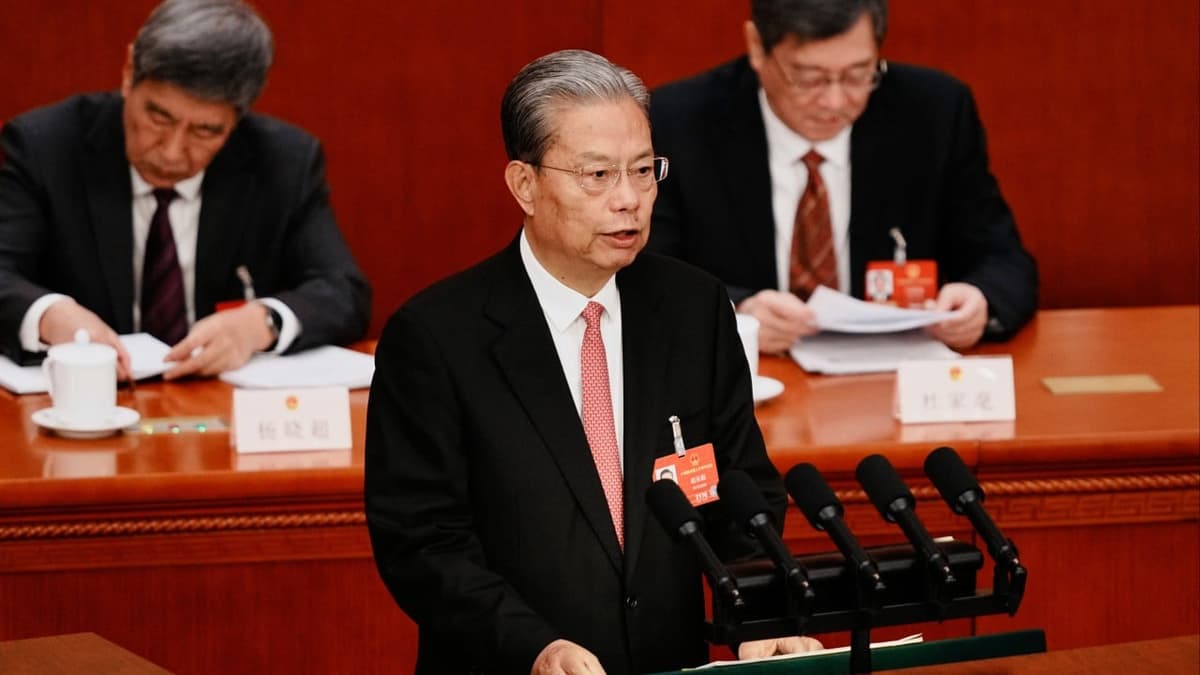
China’s drive to become a financial superpower has moved from rhetoric to legislation, as the National People’s Congress convened during the 2026 Two Sessions to endorse two sweeping statutes. The move follows years of policy nudges—such as the Belt and Road’s financing push and the Shanghai‑Hong Kong Stock Connect—that have gradually expanded China’s financial footprint. By embedding these ambitions in law, Beijing signals a maturation of its strategy, aiming to lock in reforms that survive political cycles.
The forthcoming financial law will address the yuan’s internationalisation, setting standards for cross‑border settlement, clearing, and capital account liberalisation. Simultaneously, the dedicated financial stability law will formalise macro‑prudential tools, stress‑testing regimes, and a clear mandate for a new financial stability board. Both statutes place green finance at the centre, mandating ESG disclosures and incentivising sustainable bond issuance, aligning China’s climate goals with its market development agenda.
For global investors, the legal backing reduces policy uncertainty, making Chinese markets more predictable and potentially more attractive for foreign capital. However, stricter oversight may also tighten credit conditions and impose new compliance burdens. The dual legislation could accelerate yuan‑denominated trade, reshape global capital flows, and set a precedent for other emerging economies seeking to blend growth with systemic safeguards. Stakeholders should monitor implementation timelines and the operational details of the new supervisory bodies to gauge the real impact on market liquidity and risk exposure.
China’s financial superpower ambitions get legal backing at ‘two sessions’
0
Comments
Want to join the conversation?
Loading comments...