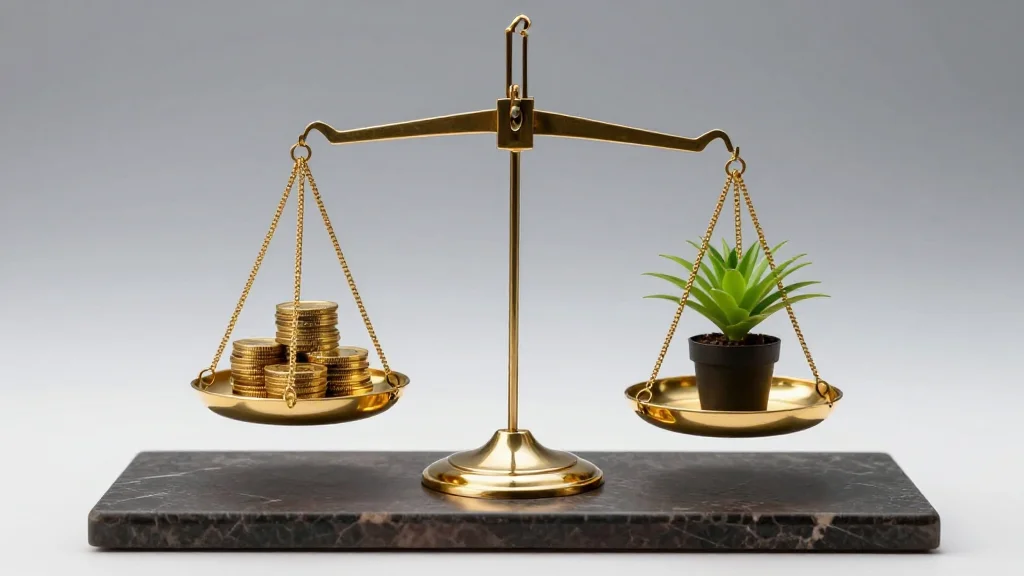
Debt: Tool or Trap?
Why It Matters
Escalating consumer debt threatens household stability and could trigger higher non‑performing loans, tightening credit and slowing the Philippine economy.
Key Takeaways
- •One‑third of Filipinos borrow just to meet daily expenses
- •Food purchases represent nearly 33% of loan usage
- •30% of borrowers report difficulty keeping up with payments
- •S&P warns Philippine banks may see rising non‑performing loans
- •BSP advises debt‑stacking, snowball, and restructuring to curb debt spirals
Pulse Analysis
Debt is a double‑edged sword in emerging markets, and the Philippines illustrates the fine line between a growth catalyst and a financial burden. A recent Bangko Sentral ng Pilipinas (BSP) Consumer Finance and Inclusion Survey reveals that 33% of respondents now take out loans to purchase food, a stark departure from the traditional use of credit for investment or emergencies. This shift reflects broader economic pressures, including stagnant wages and rising living costs, that push households into borrowing for daily survival rather than opportunity.
The systemic implications are equally concerning. S&P Global Ratings warns that Philippine banks could see a surge in non‑performing loans as geopolitical tensions and a sharp oil price shock erode disposable incomes. As a net oil importer, the country is vulnerable to global energy price spikes, which feed through to transport and food prices, further straining borrowers. A wave of defaults would tighten credit conditions, dampen consumer spending, and potentially slow GDP growth, underscoring how individual debt distress can ripple across the entire financial system.
To prevent a debt spiral, the BSP promotes practical repayment strategies such as debt‑stacking—targeting the highest‑interest loans first—and the debt‑snowball method, which builds momentum by clearing smaller balances. It also encourages loan restructuring and emphasizes borrower rights against abusive practices. Policymakers and financial educators must reinforce disciplined borrowing habits and expand access to affordable credit, ensuring debt remains a tool for building futures rather than a trap that erodes them.
Debt: Tool or trap?
Comments
Want to join the conversation?
Loading comments...